


How Technology is Revolutionizing Emergency Response
In the face of an emergency, every second counts, especially during cardiac arrests. Recent research from Australia has illuminated the power of technology in saving lives through early bystander intervention. An app known as GoodSAM alerts trained volunteers in close proximity to an out-of-hospital cardiac arrest, significantly increasing the chances of survival for victims. This innovative approach marks a shift in how we can utilize modern technology to improve health outcomes, showcasing the intersection of mobile applications and emergency medical response.
Understanding Out-of-Hospital Cardiac Arrest
Out-of-hospital cardiac arrest occurs when the heart unexpectedly stops beating. In such cases, quick action is crucial. The recent study involving over 9,000 incidents in Victoria revealed that patients attended by a smartphone-activated volunteer responder had 37% higher odds of surviving to discharge compared to those who received care solely from emergency medical services. This finding emphasizes the critical role that immediate, trained assistance can play in preserving life until professional help can take over.
The GoodSAM App: A Game Changer in Bystander CPR
The GoodSAM app is designed to bridge the gap between emergency services and immediate assistance. Once a cardiac arrest is reported, it notifies up to three trained volunteers nearby, guiding them to the exact location while also indicating the nearest automated external defibrillators (AEDs). This capability is especially vital in enhancing the response time, as volunteers can arrive and begin treatment before professional help arrives. Historical data from the study shows that when volunteers arrived first, the odds of CPR being administered surged 7.6 times, and the chances of defibrillation increased 16-fold.
Changing the Narrative Around CPR
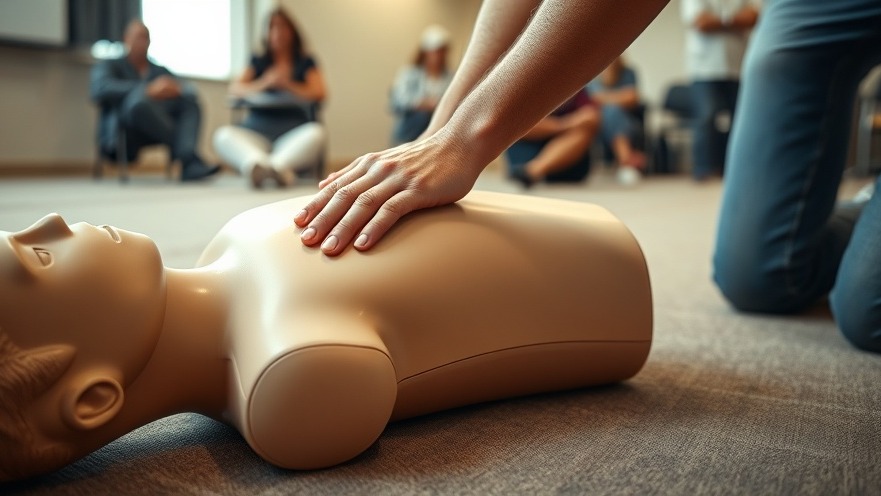
Bystanders often hesitate to perform CPR due to uncertainty and fear of making mistakes. The study underscores a straightforward yet crucial fact: any attempt at bystander CPR is better than none. According to Belinda Delardes, a key researcher in the study, even maintaining circulation before emergency personnel arrive can lead to a better outcome for the patient.
The Role of Community: Self-Organization in Action
Community response is at the heart of the success of programs like this. Dr. Garry Jennings, a cardiologist involved in the dialogue surrounding this initiative, pointed out that in the most successful cases, volunteers self-organize effectively. This encourages a collaborative environment where people can work together, enhancing not just the speed of response but also the overall success of resuscitation efforts.
Looking Ahead: Future Trends in Emergency Response
The ongoing development of technology in healthcare signals promising changes for the future. As mobile app-based alerts become more common, we can foresee a broader integration of technology in emergency medical responses. The idea of empowering ordinary citizens to take action during cardiac emergencies represents an encouraging trend in health and wellness, fostering community engagement and potentially saving lives.
The insights gained from this Australian study suggest a call to action for individuals and communities alike—to embrace training in CPR, support the use of life-saving apps, and participate in local initiatives that strengthen community wellness. The proactive engagement of citizens in emergency response has been shown to enhance survival rates, turning bystanders into lifesavers.
Consider embracing this knowledge: whether it's getting trained in CPR or encouraging your neighbors to do the same, your involvement could mean the difference between life and death for someone in need. Stay informed, stay prepared, and be part of a positive change in your community.


Write A Comment