
Add Row
Add Element
Inner Momentum Media
update
Inner Momentum Media
update
Add Element
  • Home
  • Categories
    • Health
    • Mental
    • Trends
    • Nutrition
    • Weight
    • Work
    • Well Being
    • Finances
    • Fitness
    • Mindset
    • Pregnancy
    • Skin and Hair
    • Extra News
    • Interviews with Experts
    • International Health News
    • New Research
  • Trusted Businesses
  • Technology
August 09.2025
3 Minutes Read

Explore Dr. Peter Attia's 2025 Supplement Stack and Optimize Your Health

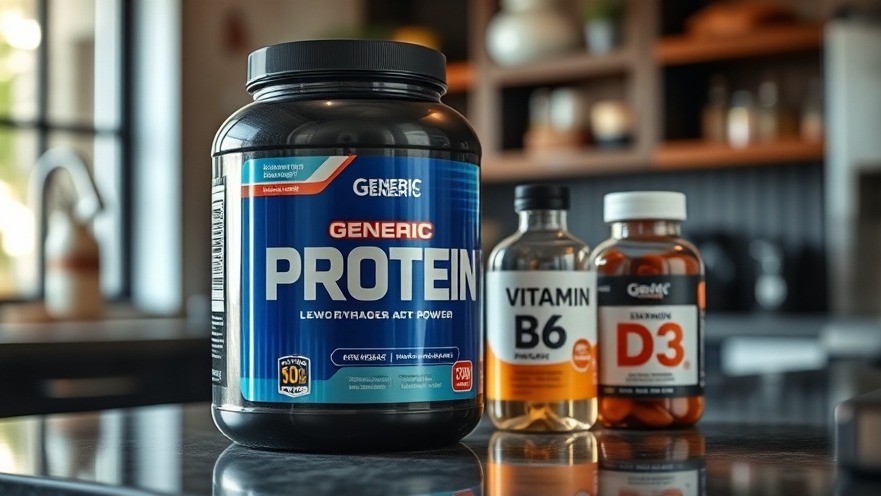
Protein powder and vitamin bottles in a health lifestyle setting with natural lighting.


What Supplements Does Dr. Peter Attia Use Daily?

In the quest for optimal health and longevity, many turn to the supplement routine of Dr. Peter Attia, a highly regarded physician known for his expertise in healthspan optimization. Attia has become a beacon of knowledge in the world of supplements, often creating curiosity and questions among his followers. As of 2025, he maintains a meticulous supplement stack tailored to his unique health goals, genetics, and monitored biomarker levels.

A Deep Dive into Attia's Supplement Stack

While it's tempting to replicate Attia's routine, it's essential to recognize that what works for him may not suit everyone. However, his approach offers valuable insights into how one might think about supplements. Here’s a breakdown of his daily intake:

  • Morning Supplements:

    • Omega-3 Fish Oil: 2.5g EPA + 1g DHA

    • Vitamin D3: 5,000 IU

    • Magnesium: 1g throughout the day from various forms

    • Methylfolate: 400 mcg

    • Methyl B12: 500 mcg

    • Vitamin B6: 50 mg, three times per week

    • Creatine Monohydrate: 5g

    • Protein Powder: 20-50g

    • AG1 (Athletic Greens): 1 scoop

    • Pendulum Glucose Control: 2 capsules

    • Theracurmin: 90-180 mg

    • Baby Aspirin: 81 mg

  • Evening/Sleep Supplements:

    • Glycine: 2g

    • Ashwagandha: 600 mg

    • Magnesium L-Threonate: 2 capsules

    • Melatonin: 1-3 mg as needed

    • Phosphatidylserine: 400-600 mg as needed

Tailoring Supplements to Your Needs

Attia emphasizes that supplementation should be personalized. He monitors his health metrics and responds accordingly, making this a crucial element of his regimen. Individuals considering supplementation should first consult with healthcare professionals. This way, they can understand their unique needs based on their health goals, blood work, and lifestyle.

The Appeal of Dr. Attia's Routine

For suburban professionals aged 25-50, the allure of following a regimen like Attia's lies in its potential to enhance overall well-being. It offers a glimpse into practical health lifestyle choices that one can experiment with. The focus on holistic health, prioritizing nutrient absorption, and adaptability of intake, aligns closely with modern trends in wellness that many find attractive.

Practical Tips for the Health-Conscious

While Attia's list is comprehensive, individuals seeking to incorporate supplements into their routines should start small. Here are a few actionable insights:

  • Begin with a foundation of essential vitamins and minerals—ensuring your basic health needs are met.

  • Monitor your body's responses to new supplements. Slowly introducing them can help identify what works for you.

  • Consult with a nutritionist or health expert to tailor a regimen that respects personal history and goals.

Looking Ahead to the Future of Supplements

The world of supplementation is ever-evolving. Emerging research and trends continue to reshape how products are developed and viewed. Staying informed about new findings and innovations in the supplement space is crucial. By doing this, health-conscious individuals can refine their supplement choices and better support their wellness journeys.

Why You Should Consider Your Own Supplement Routine

Understanding the science behind supplements, much like Attia does, is empowering. It allows individuals not only to make educated choices but also to contribute to public health discussions. Take the time to educate yourself about various supplements and their purported benefits and risks. This knowledge can be instrumental in crafting a personal health strategy that aligns with individual lifestyles.

Wondering about the right supplements for you? Now is the perfect time to review your health status and explore how to optimize your wellbeing through informed choices.


Health

5 Views

0 Comments

Write A Comment

*
*
Related Posts All Posts
12.22.2025

How the ACIP Vaccine Vote Transforms Health Engagement Around Hepatitis B and COVID-19

Update ACIP Vote Sparks Online Engagement on Vaccination Debate The recent vote by the CDC’s Advisory Committee on Immunization Practices (ACIP) to alter the universal hepatitis B vaccination recommendation for newborns has ignited fervent discussions online. The decision reflects a shift towards individual-based decision-making for parents regarding vaccinations, especially for infants born to mothers who test negative for the virus. This adjustment has been celebrated by various groups as a triumph for medical freedom, motivating over 50,000 posts across social media platforms like Reddit and X in a single day, a significant increase compared to the daily average of approximately 3,400. Understanding the Impacts of Vaccine Recommendations The ACIP’s recommendation to transition to shared clinical decision-making underscores the need for parental choice in health matters. With discussions revolving around vaccination safety and availability, the shift has consequential implications not just for families considering hepatitis B vaccination but also for how health organizations communicate their guidance clearly. Critics, including HHS Secretary Robert F. Kennedy Jr., have argued these injections are often unwarranted, claiming that the transmission routes of hepatitis B (predominantly through sexual contact or needle-sharing) might not justify vaccinating all newborns. Claims of a “Cover-Up”: The FDA Memo Controversy Simultaneously, the narrative surrounding COVID-19 vaccinations has also intensified. An internal memo from the FDA allegedly linking ten pediatric deaths to COVID-19 vaccinations generated widespread allegations of a “cover-up” regarding vaccine-related deaths. The memo's authenticity remains under scrutiny, with numerous health experts highlighting the fundamental limitations of the Vaccine Adverse Event Reporting System (VAERS), which merely gathers unverified reports rather than establishes causal links between vaccines and health outcomes. Such sensational claims often lead to heightened distrust. In fact, research indicates that a significant portion of parents remain uncertain about the safety of COVID-19 vaccines for children, with many turning to personal health care professionals for reliable information. Building Trust in Vaccine Conversations The divide in public opinion regarding vaccination guidance has amplified calls for enhanced prenatal counseling. Polls show that when health guidance differs between organizations like the CDC and the AMA, individuals tend to trust the latter more, which suggests a need for nonpartisan communication strategies in health recommendations. As the ACIP’s decision shifts the dialogue on vaccination, it opens the door for further discussions on health autonomy and structured education surrounding these medical interventions. Importantly, understanding parental concerns and priorities will be essential to rebuild confidence in immunizations. What This Means for Health and Wellness In light of these challenges, the health and wellness community must adapt its messaging to engage with evolving public sentiments and concerns. Fostering an environment that encourages open dialogue without fear of contradicting authoritative figures or institutions is paramount. For suburban professionals who prioritize wellness and health, the implications of these debates can profoundly impact decision-making regarding their families’ health. By remaining informed and actively engaging with trustworthy health information, parents can feel more empowered in their choices. Conclusion: Taking Ownership of Health Decisions The evolving landscape of vaccine recommendations amidst ongoing health discussions presents an opportunity for families to reevaluate their own health strategies. It is imperative that parents trust their instincts and understand the underpinning reasons for vaccination decisions rather than get swept away by misinformation flooding social media. Moreover, health communicators play a crucial role in bridging factual information with public concerns. Remember, informed choices stem from a solid understanding of the risks and benefits of health interventions. For more extensive insights on health and wellness, join a community of health advocates working to elevate informative discussions.

12.24.2025

Evaluating the Impact: Was It A Mistake To Do Another Jubilee Debate?

Update Understanding the Importance of Jubilee Debates The Jubilee Debate showcases a blend of entertainment and significant discourse, sparking conversations around health, social issues, and more. In the midst of evolving circumstances, assessing the merits of continuing such debates, as raised in the video "Was It A Mistake To Do Another Jubilee Debate?", provides valuable insights into our collective responsibilities toward informing the public.In 'Was It A Mistake To Do Another Jubilee Debate?', the discussion dives into the implications of public debates on health, exploring key insights that sparked deeper analysis on our end. Engaging the Audience Through Relevant Topics Health-related jubilee debates capture an audience's attention by linking personal stories with pressing health issues. Whether it’s discussing the impact of diet on health or clarifying misconceptions about vaccines, these platforms allow diverse perspectives to emerge. They provide a stage for experts and the public to engage in discussions that may otherwise be sidelined. The Risk of Misinformation in Health Discussions One of the primary dangers of ongoing debates is the potential spread of misinformation, which is particularly concerning in health matters. People often walk away with fragmented understandings that can lead to poor decisions about their health. In our world of instant information gratification, we must ensure our discussions are grounded in fact lest we contribute to the confusion. Bypassing the Cycle of Controversy Furthermore, we must ask ourselves: What is the legacy we wish to create through these discussions? Hoping to spark change may inadvertently lead to a cycle of controversy, where discussions diverge more into sensationalism than constructive dialogue. Staying on track with factual information is vital to achieving the intended impact. Exploring Diverse Perspectives As we analyze whether it was a mistake to have another jubilee debate, we must consider the breadth of perspectives it brings. By incorporating voices from various backgrounds, we not only enrich the discussions but also ensure they resonate with a broader audience, catering to the myriad of experiences regarding health and wellness. Value of Continuous Learning and Adaptation In medicine and health, continuous learning is essential. With ongoing research, guidelines, and societal shifts, reevaluating how we approach public forums could be key. Engaging in jubilee debates should be seen as a part of a larger commitment to health education, where the lessons learned foster improvements in how we discuss and disseminate health information. Taking Action Against Misinformation As we navigate this terrain, we must prioritize truth and clarity. Each of us can contribute to this effort by choosing to invest time in reputable sources, sharing fact-checked information, and advocating for health literacy. Being a well-informed citizen is not just a personal responsibility; it shapes the community's understanding. By participating in initiatives like Doctor Mike's efforts against medical misinformation, we take steps to make informed choices in our health narratives.

12.22.2025

Navigating Healthcare Fairness: Understanding Implicit Bias and Its Impact

Update The Unseen Struggles in Healthcare Access: A Critical Examination In the dynamic landscape of healthcare, the intersection between race, gender, and socio-economic status often shapes experiences and outcomes. The recent video, "I don't think I was being unfair..." presents a stark reminder of these factors in personal perceptions of fairness and treatment in healthcare settings. It raises questions about implicit biases and how they manifest, not just in individual interactions but across systemic frameworks.In "I don't think I was being unfair...," the discussion dives into healthcare perceptions, prompting a deeper analysis of fairness and bias in the medical field. Understanding Implicit Bias in Healthcare Implicit bias refers to attitudes or stereotypes that affect our understanding, actions, and decisions in an unconscious manner. In healthcare, this can mean the difference between receiving comprehensive care or being overlooked. For instance, studies show that Black patients often receive less pain medication than their white counterparts because of misconceptions about their pain tolerance. This underscores how monumental healthcare disparities can stem from even minor moments of perceived unfairness in treatment. Why This Conversation Matters By discussing perceptions of fairness in healthcare, we uncover broader truths about societal structures. When patients feel they are being treated unfairly, it can lead to a cascade of negative outcomes—not just for the individual but for community health as a whole. Understanding these dynamics is essential for both patients and healthcare providers, as it encourages a more empathetic and responsive healthcare environment. Actions for Change: Creating a Fair Healthcare System So, how can healthcare institutions foster fairness? Implementing regular training about implicit bias for all healthcare staff greatly improves the delivery of care. Additionally, inclusive listening sessions can help healthcare providers understand the unique challenges faced by marginalized groups, promoting a culture of fairness and respect. Confronting Misconceptions: The Role of Education Education plays a pivotal role in addressing misconceptions related to race and health disparities. Public awareness campaigns can offer insight into the consequences of implicit bias, while fostering a deeper understanding of how race, gender, and socio-economic factors shape healthcare experiences. Programs that engage communities through education can empower patients to voice concerns and seek equitable care. Ultimately, the conversation sparked by the video "I don't think I was being unfair..." invites us to critically examine our own views and biases. By acknowledging the complexities of fairness in healthcare, we can collectively work towards a more equitable future.

Terms of Service

Privacy Policy

Core Modal Title

Sorry, no results found

You Might Find These Articles Interesting

T
Please Check Your Email
We Will Be Following Up Shortly
*
*
*