
Add Row
Add Element
Inner Momentum Media
update
Inner Momentum Media
update
Add Element
  • Home
  • Categories
    • Health
    • Mental
    • Trends
    • Nutrition
    • Weight
    • Work
    • Well Being
    • Finances
    • Fitness
    • Mindset
    • Pregnancy
    • Skin and Hair
    • Extra News
    • Interviews with Experts
    • International Health News
    • New Research
  • Trusted Businesses
  • Technology
August 09.2025
3 Minutes Read

How Immigrants Shape the Rural Workforce and Impact Health Care

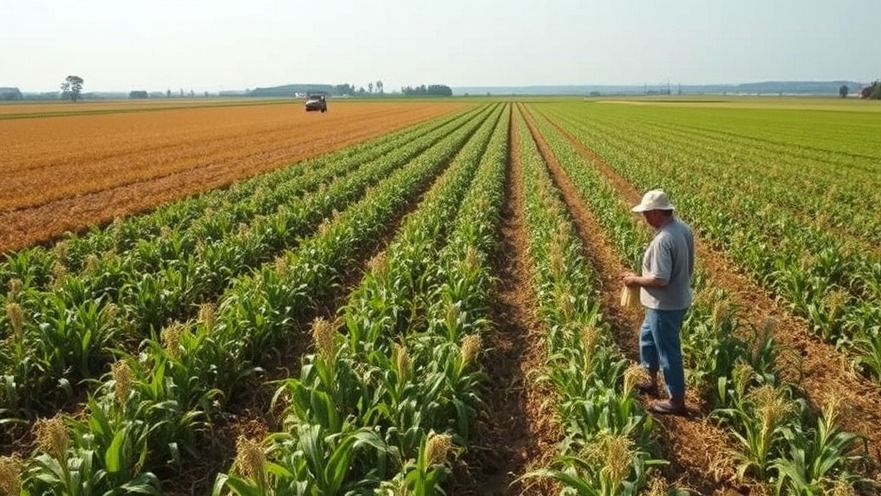
Farmers harvesting crops, highlighting immigrant contributions to health care workforce shortages in rural areas.


Understanding the Critical Role of Immigrants in Rural Workforce

As of 2023, over 47 million immigrants make up about 14% of the total U.S. population, with approximately 1.8 million residing in rural regions. Recent immigration policies aimed at reducing immigration have raised concerns regarding labor shortages, particularly in essential industries such as health care—a field already grappling with significant workforce deficits. The implications extend beyond mere employment; they touch upon the core of public health and community wellness.

Immigrants: Essential Participants in Rural Health Care

In rural areas, immigrants constitute 5% of the adult population and workforce. Despite their relatively small presence, their impact is disproportionate in critical sectors. They represent 14% of physicians and surgeons, showcasing their vital contribution to medical services in areas where healthcare accessibility is often limited. Research indicates a concerning trend: rural populations tend to be older and face more severe health issues compared to urban counterparts. With immigrant workers often filling these healthcare roles, their significance cannot be overstated.

Economic Contributions and Challenges

Immigrants thrive in various sectors, including agriculture, construction, and services. For instance, in agriculture alone, they account for 28% of the workforce. However, while the employment rates among immigrant workers align closely with that of U.S.-born workers, disparities emerge. Immigrant workers are more likely to earn lower incomes, with 22% reported earning below $20,000 annually compared to 18% of their U.S.-born counterparts. This economic vulnerability underscores the need for supportive policies that address health care access, insurance coverage, and fair wages.

State-by-State Variations of Immigrant Workforce Presence

The demographic distribution of immigrant workers in rural America is not uniform; it varies extensively across states. States like Hawaii, Florida, and Connecticut see immigrants accounting for over 10% of the rural workforce, significantly higher than the national average. This inclusion points toward broader socio-economic patterns influencing immigration flow and the resultant impact on local economies and health systems.

Immigrant Health Coverage: A Barrier to Well-being

Despite their essential roles, immigrant workers in rural areas face significant health coverage barriers. A staggering 40% of noncitizen immigrant workers do not have health insurance compared to only 8% of U.S.-born workers. This gap not only affects individual wellness but also endangers community health, particularly in rural settings where access to medical resources is already strained. Comprehensive health coverage reforms are crucial to ensure that all workers can maintain their health, ultimately benefiting the broader community.

Public Health Implications and Future Trends

The ramifications of immigrant participation in the rural workforce extend into the domain of public health. Given that health care shortages in rural America are compounded by an aging population, the essential role of immigrant workers cannot be overlooked. Projections indicate a growing reliance on immigrant labor to meet the needs of health services as the population continues to age. The intersection of immigration policy and public health will shape future workforce dynamics, necessitating a comprehensive approach that values the contributions of immigrant workers.

Actionable Insights: How You Can Help

For suburban professionals interested in sustainable health and community wellness, understanding the role immigrants play can prompt engagement in advocacy. Supporting policies that improve health access for all workers, regardless of immigration status, can lead to healthier communities and ultimately, better outcomes for everyone. By fostering an environment that values diversity and inclusion, towns and businesses can promote greater economic vitality and health equity.


Finances

4 Views

0 Comments

Write A Comment

*
*
Related Posts All Posts
12.23.2025

How Political Changes at NIH Are Affecting Health Research and Wellness

The Current Landscape of the NIH: A Shift in PowerThe National Institutes of Health (NIH) is experiencing a seismic shift under the leadership of Jay Bhattacharya, whom President Trump appointed with the intention to challenge traditional protocols. While Bhattacharya is seen more as a media figure than an administrative leader, it is Matthew Memoli, his principal deputy, who is wielding substantial power behind the scenes. This significant power dynamic at the NIH raises questions about the future of public health research, particularly in the context of evolving health trends.Political Influence on Research PrioritizationThe Trump administration's influence has been profound, allowing political appointees greater control over funding decisions that historically were guided by a peer review process. As outlined in an executive order, political officers are tasked with the authority to cancel grants deemed inconsistent with agency priorities. This drastic shift, seen as a potential threat to scientific integrity, creates a landscape where political motives may supersede scientific merit. Observers argue that this situation could jeopardize critical advancements in health technology and wellness.A New Era of Leadership: Challenges and CriticismNIH officials have expressed concerns regarding the agency's leadership, with many viewing Bhattacharya as an ineffective figurehead more concerned with his public persona than with scientific advancement or operational engagement. In contrast, Memoli, a relative unknown prior to his appointment, is now shaping the agency’s policies. His recent history of controversial views, particularly regarding COVID-19 vaccine mandates, raises eyebrows regarding his suitability for leading a public health agency. The internal atmosphere at the NIH has turned somber, with many staffers fearing retaliation for questioning these changes.The Impact of NIH's Transformation on Public HealthThe implications of this leadership transition are vast, impacting the direction of funding for critical research. With significant cuts to infectious disease programs, experts worry about stifled innovation in vital areas like vaccine development. The increased politicization of funding decisions could lead researchers to censor their proposals to align with shifting political expectations, which undermines the agency’s original mission to foster groundbreaking scientific research.The Importance of Scientific Integrity in Funding DecisionsSeveral current and former NIH officials advocate for the importance of maintaining a peer-reviewed funding process, emphasizing that it ensures taxpayer money is used effectively for high-impact research. The recent executive orders disrupt this long-standing mechanism, potentially allowing less rigorous projects to receive funding over meritorious proposals. This could have reverberating effects on overall health and wellness initiatives vital to advancing collective public health goals.Future Predictions: Opportunities and Challenges AheadAs the NIH navigates these transformative changes, the future of research it funds remains uncertain. Observers predict that unless reforms are enacted to restore oversight and integrity within the NIH, the agency may face ongoing turmoil. The focus may need to shift back towards centering scientific merit and preserving the institution's independence from political whims. Understanding these dynamics is crucial for suburban professionals who rely on advancements in public health to enhance their well-being.With the NIH's evolving dynamics, professionals in health technology and wellness must stay informed and engaged. The importance of advocating for robust scientific methods and transparency within funding decisions cannot be overstated. Now is the time to understand these shifting trends and their implications for public health.

12.19.2025

Unlock the Best Ways to Use Your FSA and HSA Funds This Year!

Discover the best ways to use your FSA and HSA funds effectively for health and wellness, including tips on maximizing your healthcare spending strategies.

12.15.2025

Navigating Rising Health Care Costs: Essential Insights for Suburban Professionals

Explore insights on the rising health care costs in America, their impact on health and wellness, and actionable strategies for suburban professionals.

Terms of Service

Privacy Policy

Core Modal Title

Sorry, no results found

You Might Find These Articles Interesting

T
Please Check Your Email
We Will Be Following Up Shortly
*
*
*