

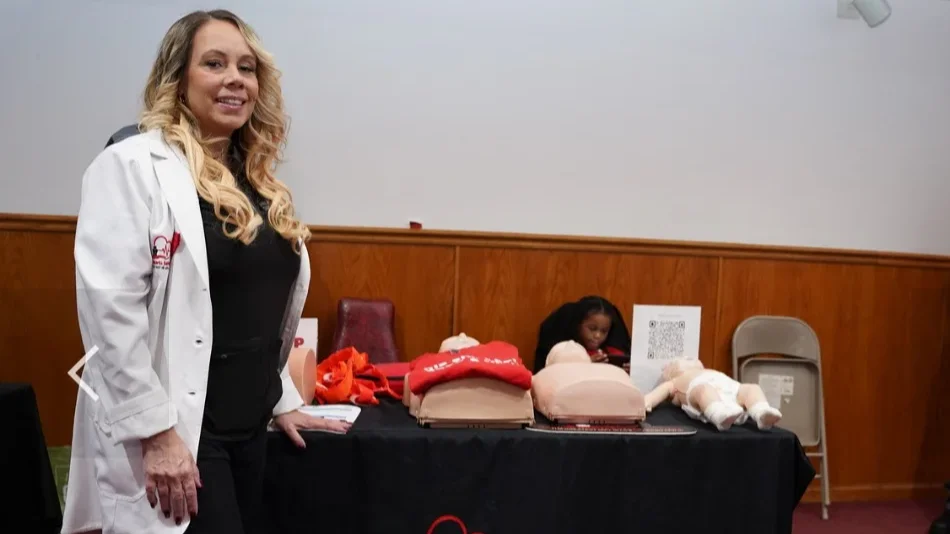
Did you know that every year, over 350,000 heart attacks happen outside hospitals in the United States alone? This startling fact underscores why emergency preparedness trends are gaining critical importance, especially in community health education. Denise Harris RN MSN and founder of Healing Hearts Safety Services, emphasizes, The difference between panic and action can mean the difference between life and loss. Her mission is to empower everyday people with life-saving skills like CPR, AED use, and Narcan administration, making our communities safer and more resilient.
Startling Facts Highlighting the Importance of Emergency Preparedness Trends
Emergency preparedness is no longer the exclusive domain of healthcare professionals. With heart disease remaining the leading cause of death and opioid overdoses rising, the need for accessible life-saving skills training among the general public is more urgent than ever. Denise Harris, of Healing Heart Safety Services, shares from her experience: “Over 350,000 heart attacks occur outside of hospitals, and 90% are fatal or 300,000+ deaths outside hospitals each year due to heart attacks. Those are the people that are not trained. So those are the people that need to learn life-saving skills to initiate CPR before help arrives. ”
Such facts make it clear that emergency preparedness trends must focus on empowering individuals at the community level. The ability to act swiftly can drastically improve outcomes for victims of cardiac arrest, overdose, and traumatic injuries. This urgency drives organizations like Healing Hearts to provide hands-on training to everyday citizens, enabling them to become first responders in real life.
Understanding Emergency Preparedness Trends: Community Resilience and Emergency Management
The Role of Community Resilience in Public Health Emergencies
Community resilience lies at the heart of effective emergency response. It encompasses the ability of local populations to prepare for, respond to, and recover from health crises and disasters. By integrating education on CPR, AED, and Narcan into community programs, neighborhoods increase their capacity to save lives collectively. As Denise Harris explains, training provides not only technical skills but also crucial situational awareness—the ability to assess emergency scenes and react appropriately.
Such resilience is vital because emergencies often occur unpredictably, requiring immediate local action before professional help arrives. A community well-versed in emergency preparedness nurtures confidence and cooperation among its members. This foundation can reduce mortality rates and enhance overall public health safety, especially in vulnerable populations.
Emergency Management and the Integration of Life-Saving Trainings
Modern emergency management strategies emphasize the combination of preparedness education and resource accessibility. Integrating CPR, AED, and Narcan training into existing protocols ensures that public health systems collaborate seamlessly with trained civilians. Emergency managers encourage widespread training because everyday citizens are often the first on the scene during critical incidents.
Healing Hearts Safety Services exemplifies this approach by offering tailored courses that cover various emergency scenarios. Denise Harris notes, “Our courses prepare you in real life how to have situational awareness and determine if a victim needs CPR, first aid, or Narcan. ” This holistic training reduces response hesitation and enhances community-wide readiness.
Why CPR, AED, and Narcan Training Are Essential for Everyone
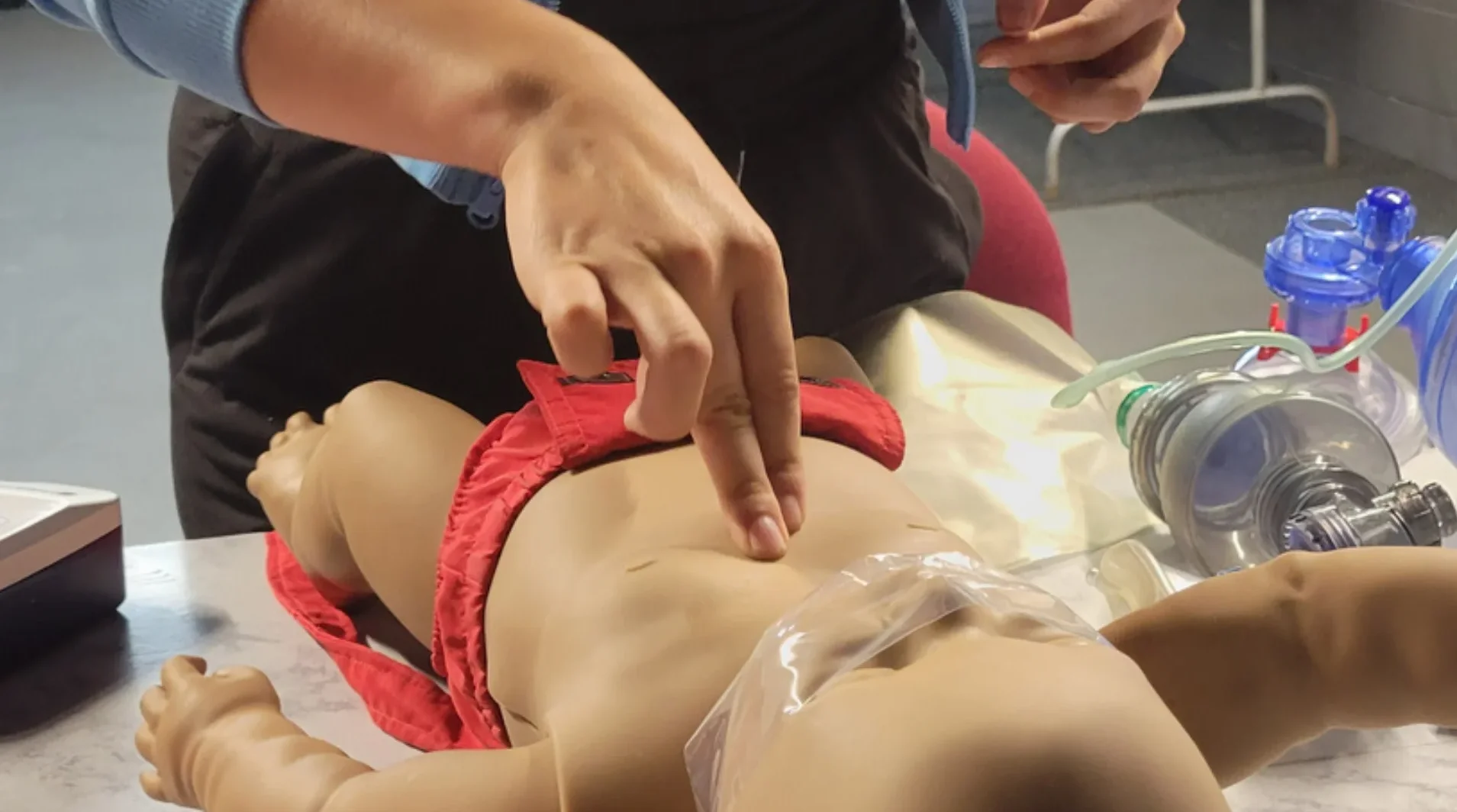
Denise Harris explains, "It's better to know it or at least know of it and never need it than not know it at all and need it and not be able to respond."
Bridging the Gap Between Panic and Action Through Hands-On Training
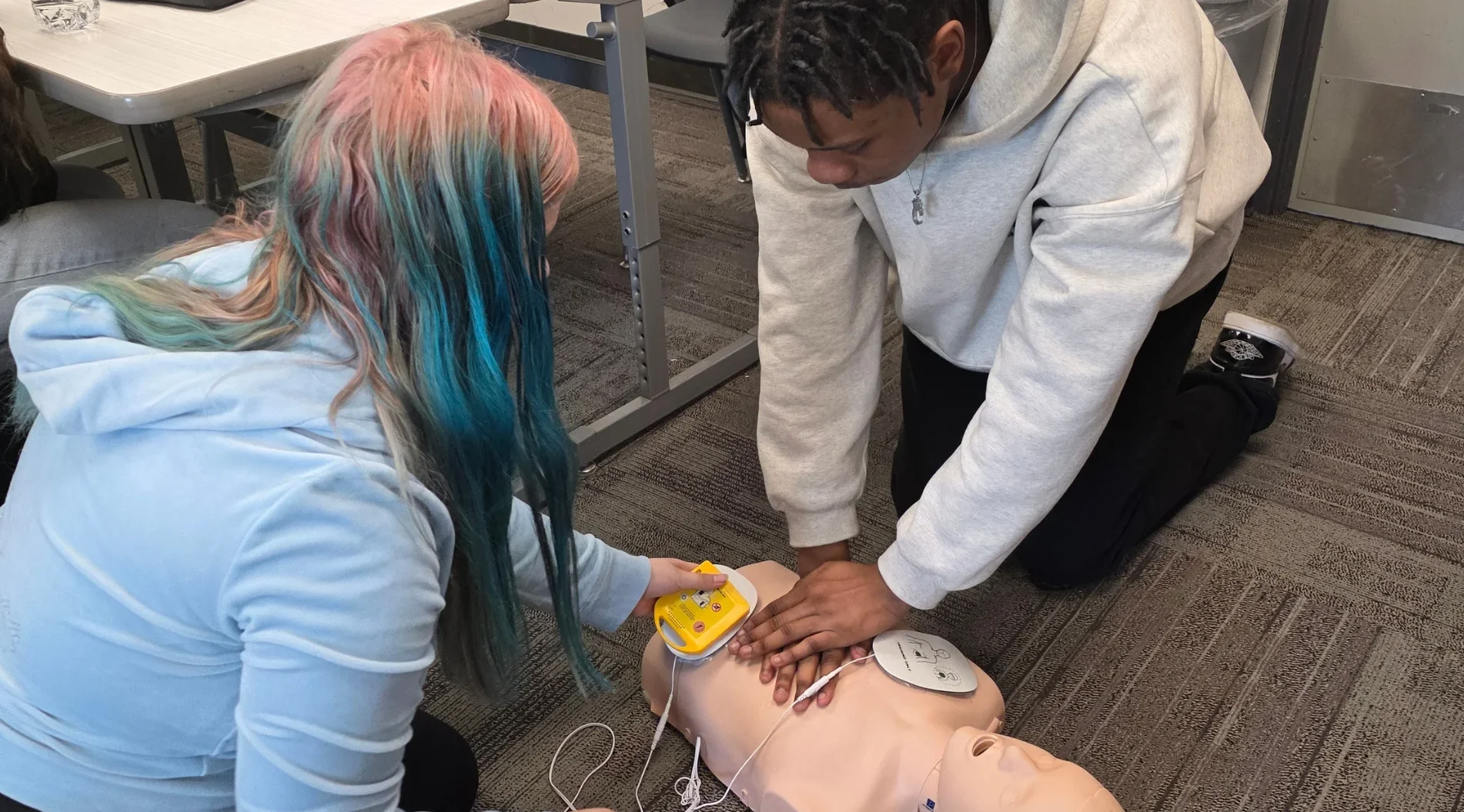
When faced with an emergency, panic can paralyze the best intentions. The key to bridging this gap is preparatory hands-on training that instills confidence. Denise Harris designs her classes to be interactive and practical because “everyone learns at a different level” and “just watching a video rarely prepares you for real-life action. ”
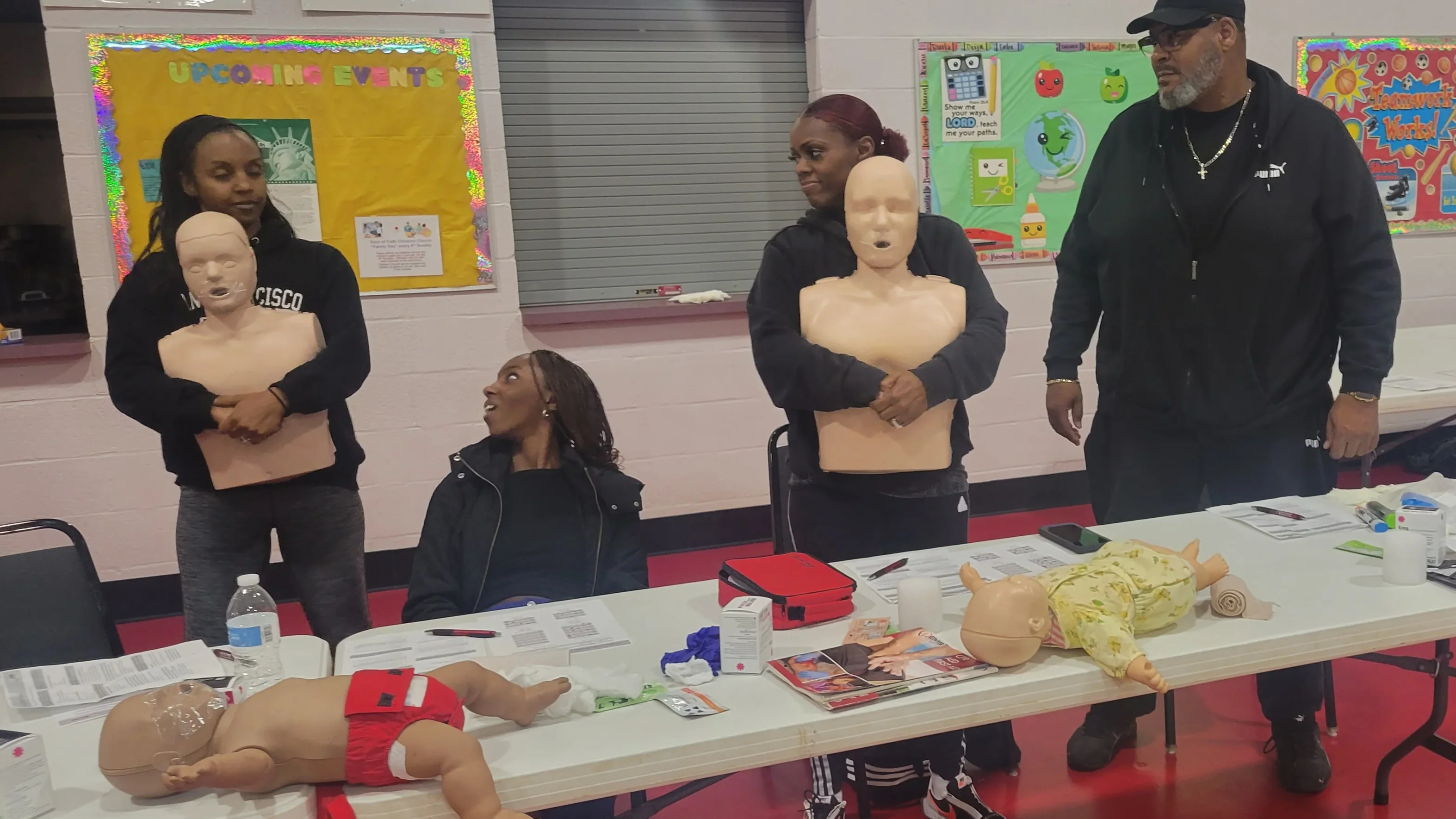
Her courses involve realistic scenarios, allowing trainees to practice chest compressions, AED operation, and emergency assessments in a controlled environment. This repeated, hands-on experience ensures that when confronted with a life-threatening situation, individuals can deliver effective care promptly and competently.
Narcan Training: A Vital Component in Addressing Public Health Emergencies
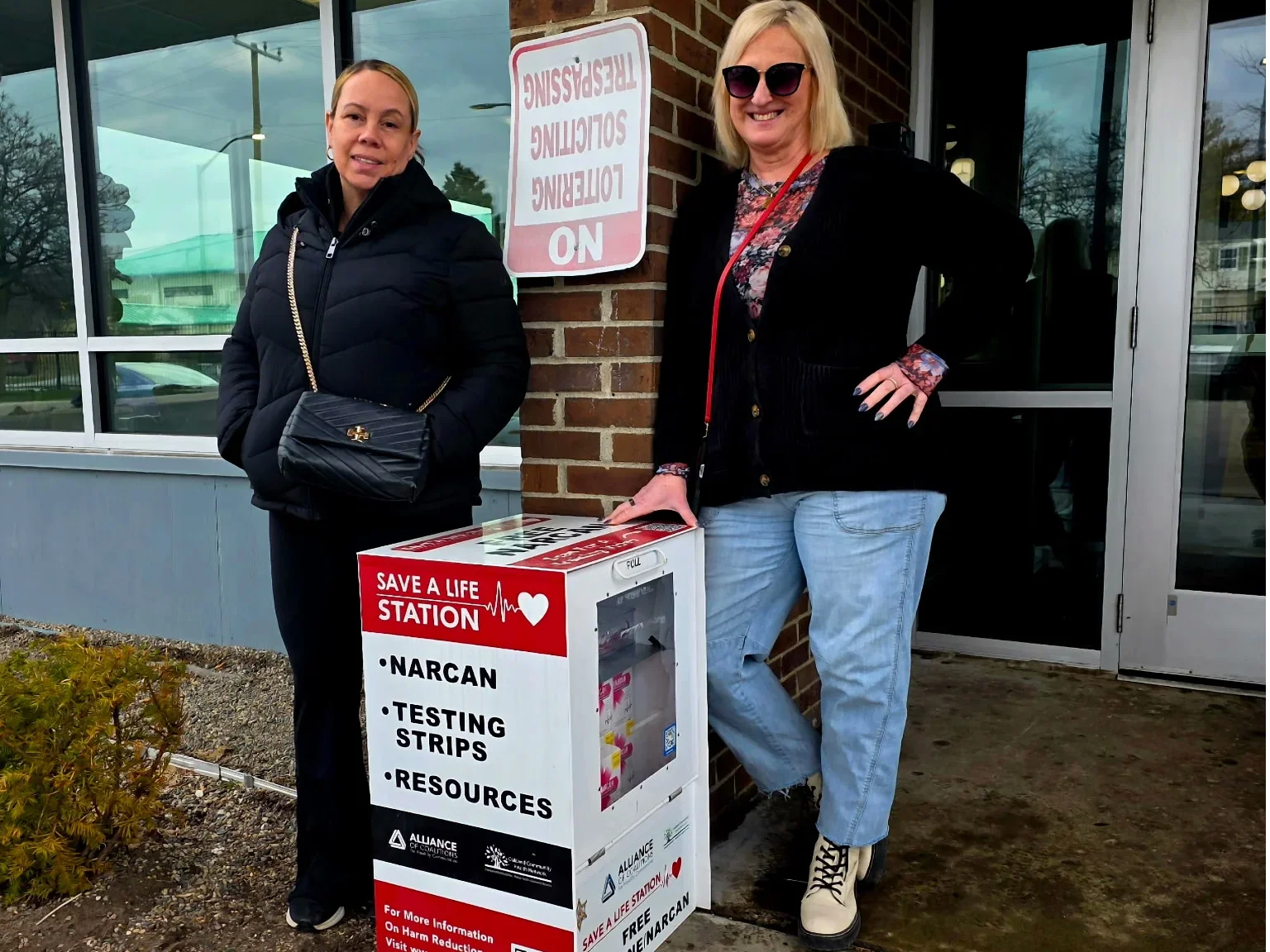
In recent years, the opioid crisis has sharply raised the importance of Narcan (naloxone) training. Narcan rapidly reverses opioid overdoses, restoring normal breathing and consciousness if administered in time. Denise Harris incorporates Narcan instruction with every first aid and CPR course, emphasizing its role as a lifesaver in public health emergencies.
Participants learn how to identify overdose symptoms and safely administer Narcan nasal sprays, a skill that can literally mean the difference between life and death in their communities. This training expands beyond medical personnel to include family members, workplace staff, and community volunteers, reinforcing the trend toward widespread preparedness.
Common Misconceptions About CPR and AED Use and How to Overcome Them
Denise Harris states, "Good Samaritan laws give you the assumed consent that if a person is unable to respond and it's life-threatening, you're assuming they want to be revived."
Demystifying AED Operation: Simple Steps to Save Lives
Despite the proven effectiveness of automated external defibrillators (AEDs), many people hesitate to use them due to misconceptions and fears. Common worries include damaging the victim, violating privacy, or accidentally harming oneself. Denise Harris clarifies in her training that “you just need to turn on the AED and follow the prompts. It'll guide you through every step clearly, and as long as you are following the steps, the chances are minimal of shocking yourself. ”
By breaking down these fears and providing hands-on AED practice with trainers, participants gain reassurance and understanding. This approach busts myths and encourages more people to embrace these vital devices. The simple, user-friendly nature of AEDs means anyone can become a capable responder.
How Diverse Emergency Trainings Prepare Communities for Real-Life Crises
Active Shooter Training and Its Role in Emergency Preparedness Trends
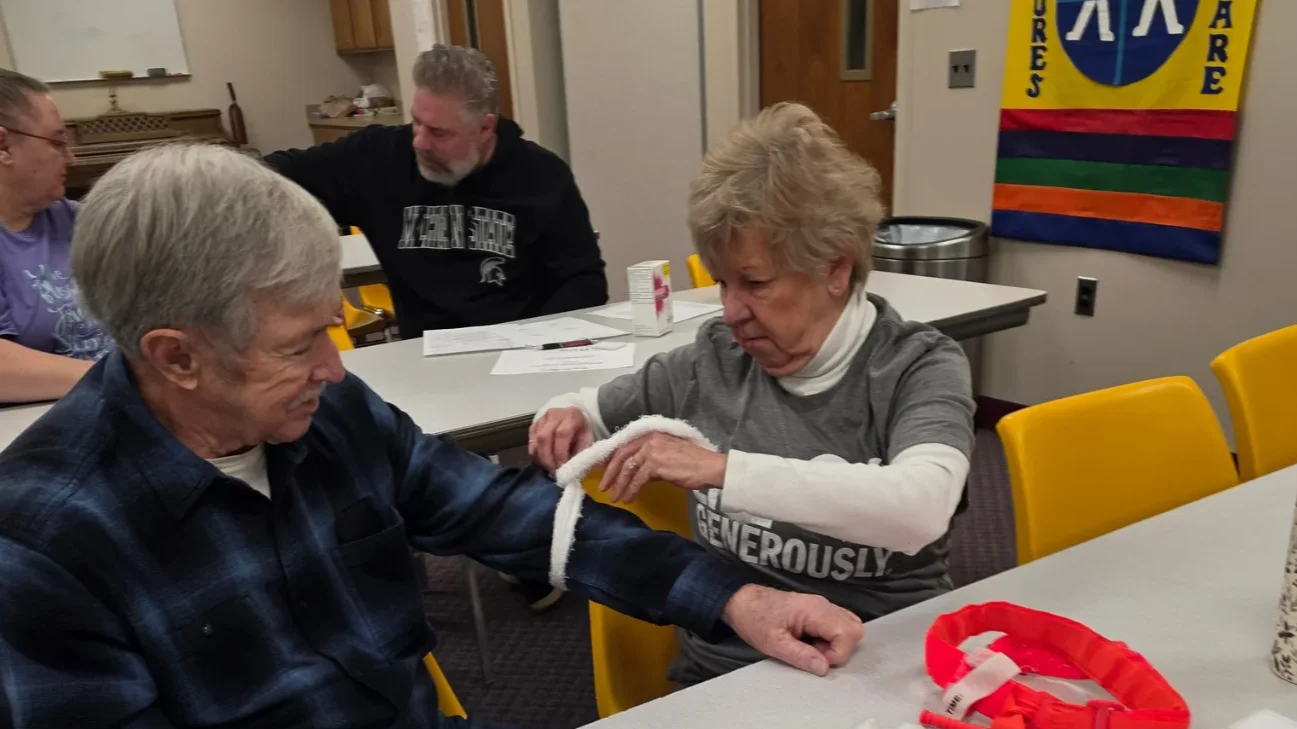
Emergencies extend beyond medical crises. Active shooter events require unique preparedness strategies. Healing Hearts Safety Services includes active shooter training within their offerings. This specialized course teaches situational awareness, victim self-care methods like packing wounds, applying tourniquets, and safe evacuation protocols.
By addressing these less common but critical scenarios, communities gain comprehensive readiness that matches evolving threats. Preparedness trends now highlight the importance of diverse training options that cover a wide range of possible emergencies to enhance overall safety.
Babysitting Safety Courses: Building Critical Thinking and Emergency Response Skills in Youth
Emergency preparedness must include youth education. Denise Harris offers babysitting safety courses targeting ages 11 to 18, teaching vital skills such as infant and toddler CPR, emergency recognition, and safety hazard identification. These courses foster critical thinking and empower young caregivers to respond effectively in emergencies.
By investing in the next generation’s training, communities secure a stronger safety net. This comprehensive approach to emergency preparedness trends emphasizes inclusivity and longevity in building capable responders, starting with youth.
Real-Life Impact: Stories of Lives Saved Through Emergency Preparedness Training
Denise Harris recalls, "By him taking the course, we were able to save his daughter."

Training is more than theory — it saves lives. Denise Harris recounts powerful examples where individuals applied life-saving skills acquired from her classes in real emergencies. One poignant story involves a family member’s daughter who was successfully resuscitated thanks to CPR efforts coordinated by trained relatives. “The father had renewed his CPR because of my course, so I could delegate during the event, and we saved her,” Denise explains.
Many trainees share similar stories, from responding to car accidents to assisting strangers in public places, all demonstrating how emergency preparedness trends translate into tangible community impact. Such testimonials highlight why accessible training is invaluable.
Overcoming Barriers: Making Emergency Preparedness Training Accessible and Engaging
Short, Focused Sessions for Busy Individuals
One common obstacle to emergency training is time constraints. Denise Harris addresses this by offering concise, hands-on courses focused on efficiency without sacrificing effectiveness. For example, CPR training typically lasts 1. 5 to 2 hours, while combined CPR plus first aid sessions take up to 4 hours.
She reassures prospective learners, “If you cannot take the full course, even attending a hands-only compression class or learning basic guidelines online can help. The key is to push hard, fast compressions and call 911 immediately. ” By tailoring training to busy lifestyles, she promotes broader community participation in essential life-saving education.
Community Infrastructure: Availability and Cost of AEDs in Public and Private Spaces
Efforts Toward Making Pontiac a Heart-Safe Community
Making AEDs widely accessible is a critical part of emergency preparedness trends. Denise Harris is actively involved in initiatives to transform Pontiac into a heart-safe community, working alongside the American Heart Association. This includes mapping AED availability and advocating for regulations requiring AED placement in public and private spaces.
While AEDs cost between $1,000 and $1,600 depending on features, they represent a modest investment for life-saving potential. Denise notes that while many public places like airports and city halls have AEDs, others such as churches and small businesses often lack them. Expanding AED presence through community efforts is essential to reduce response times and increase survival rates during cardiac emergencies.
What You'll Learn: Key Takeaways on Emergency Preparedness Trends
The critical role of CPR, AED, and Narcan training in saving lives during health emergencies
How community resilience is strengthened through accessible emergency preparedness education
Common fears and misconceptions about emergency response and how to overcome them
The importance of hands-on, scenario-based training for effective skill retention
Current challenges and initiatives in expanding AED availability in public spaces
People Also Ask: Frequently Asked Questions on Emergency Preparedness
What are the 5 P's of emergency preparedness?
The 5 P's include Proper Planning Prevents Poor Performance—focusing on preparation, prevention, protection, practice, and performance to ensure readiness.What to stock up on in case of war?
Essential supplies include water, non-perishable food, medical kits, medications, batteries, and communication devices.What are the 3 C's of emergency preparedness?
They are Check (hazards), Call (for help), and Care (for injured).What are the 4 pillars of Disaster Risk Reduction (DRR)?
They are governance, risk assessment, knowledge management, and disaster prevention.
Training Programs Overview
Training Type |
Duration |
Certification |
Key Skills Taught |
|---|---|---|---|
CPR |
1.5 - 2 hours |
American Heart Association & HSI (Health and Safety Institute) |
Chest compressions, rescue breaths, AED use |
CPR with First Aid and AED |
3.5 - 4 hours |
American Heart Association & HSI |
CPR, first aid for fractures, seizures, strokes, Narcan administration |
Active Shooter Training |
Varies |
AVIRT Certification |
Situational awareness, wound packing, tourniquet application |
Babysitting Safety |
Varies |
CABS Certification |
Infant and toddler care, emergency recognition, safety hazard identification |
Conclusion: Embracing Emergency Preparedness Trends to Save Lives
Taking action to learn CPR, AED, and Narcan skills equips you to save lives and strengthen community safety. Start today to build confidence and preparedness that truly makes a difference.
Contact Healing Heart Safety Services for Training and Resources
Ready to learn lifesaving skills? Call us at (248) 778-7161 or visit our website at www.HealingHeartsSafetyServices.com. For direct inquiries, email healingheartssafety@gmail.com. Denise Harris and the Healing Hearts team offer flexible scheduling to fit your busy life. Remember: Learn CPR, save a life.




Write A Comment