Add Row
Add Element
Inner Momentum Media
update
Inner Momentum Media
update
Add Element
  • Home
  • Categories
    • Health
    • Mental
    • Trends
    • Nutrition
    • Weight
    • Work
    • Well Being
    • Finances
    • Fitness
    • Mindset
    • Pregnancy
    • Skincare
    • Extra News
    • Interviews with Experts
    • International Health News
    • New Research
  • Trusted Businesses
  • Technology
3 Minutes Read

Unlock the Secrets of Japanese Head Spa: Insights from Melissa Youngs at The Bella Group

Introduction

Serene luxurious spa scene with calming lights, towels, and essential oils to prepare you for a Japanese Head Spa.

In the bustling town of Farmington, Michigan, a unique wellness experience is transforming the way people think about hair care and relaxation. At the forefront of this revolution is Melissa Youngs, owner of The Bella Group, a beauty and wellness collective that houses Bijou Salon Spa, Merle Norman and Rebecca's Wig.

Melissa is an expert in the field of trichology, and she is passionate about offering innovative solutions to common hair and scalp issues. One of these solutions is the Japanese Head Spa, a luxurious treatment that not only promotes relaxation but also addresses hair loss and scalp health.

In this article, we delve into the world of Japanese Head Spa with insights from Melissa Youngs, exploring how this treatment can rejuvenate your hair and boost your confidence.


The Journey to Bijou Salon Spa

Melissa Youngs' journey to becoming a leading figure in the beauty and wellness industry is as inspiring as it is diverse. With a background in communications and marketing, Melissa spent 16 years running a full-service advertising agency before deciding to pursue her passion for beauty and wellness.

Her entrepreneurial spirit led her to become a certified trichologist and cranial prosthetic specialist, allowing her to provide holistic solutions for hair loss at Bijou Salon Spa. "I wanted to turn our little corner of Farmington into a trichology center where we could really help people with hair loss," Melissa shares.


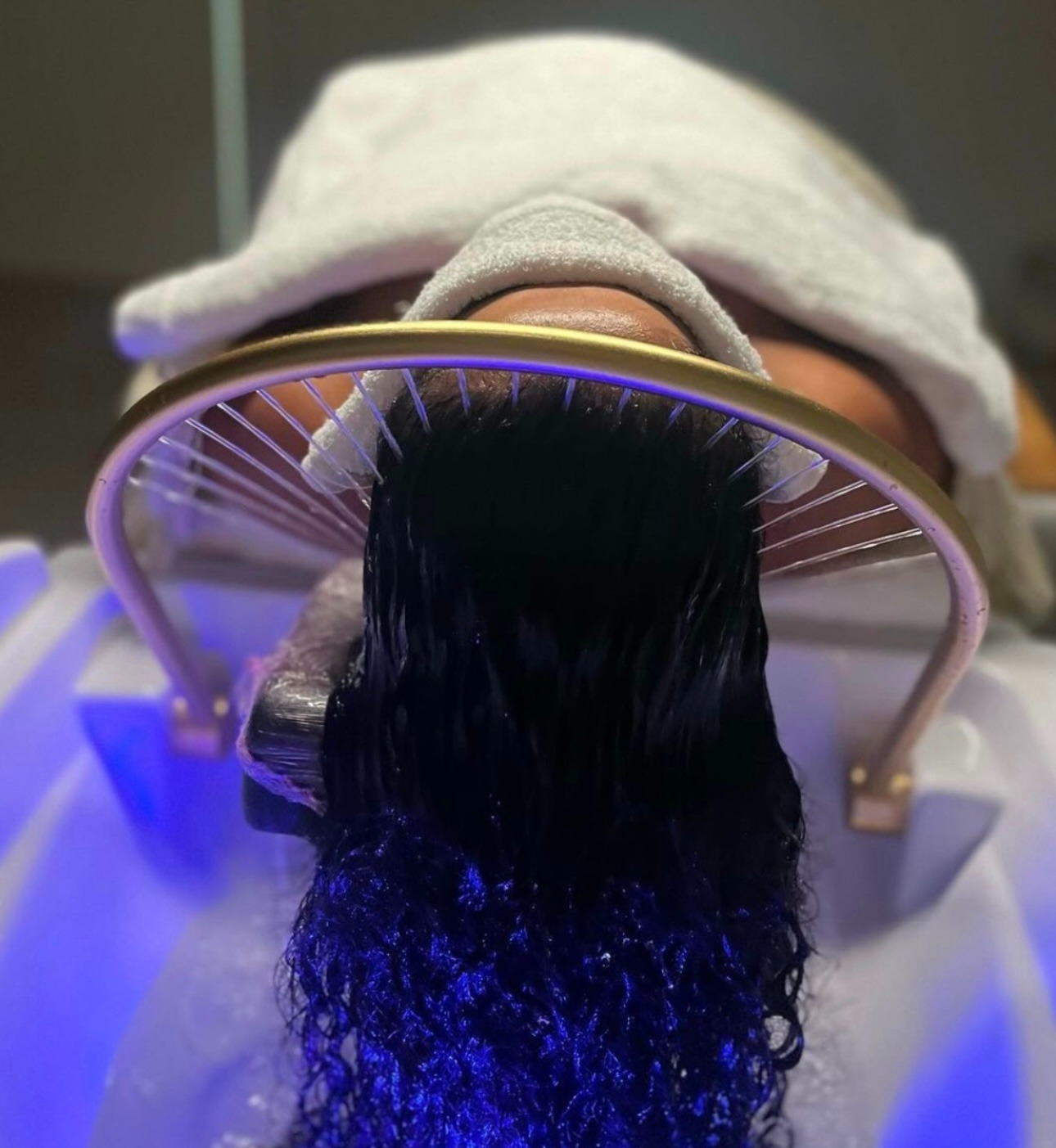
Japanese Head Spa treatment at Bijou Salon and Day Spa

Understanding Trichology and Hair Loss

Trichology is the scientific study of hair and scalp health, focusing on understanding the root causes of hair loss and finding natural solutions. According to Melissa, "If hair loss is not related to a medical issue, 99% of the time it's due to lack of blood flow to the scalp or inflammation." This revelation led her to explore treatments that could address these underlying issues, ultimately introducing the Japanese Head Spa at Bijou Salon Spa.


The Japanese Head Spa Experience

The Japanese Head Spa is a 90-minute treatment that combines luxurious spa elements with therapeutic techniques to detoxify and rejuvenate the scalp. "It's the most luxurious spa treatment you'll ever experience," Melissa explains.

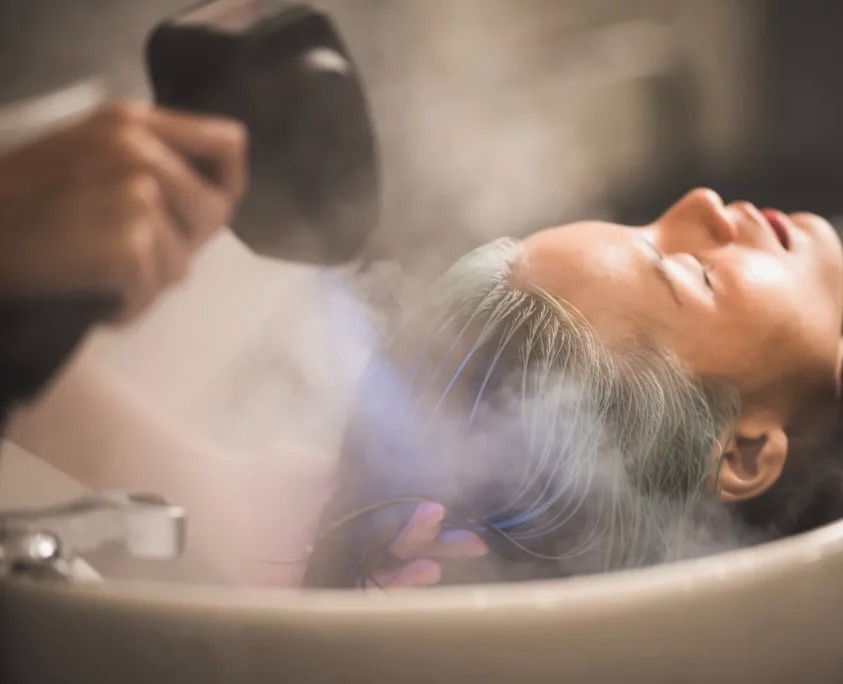
The process begins with a scalp scan to assess the condition of the hair follicles. This is followed by steaming the scalp to open pores and exfoliate impurities. The treatment includes a manual massage using acupressure techniques to stimulate blood flow, reduce inflammation, and promote relaxation.


Benefits Beyond Relaxation

Relaxing Japanese head spa treatment promoting scalp health and hair loss solutions.

While the Japanese Head Spa is a deeply relaxing experience, its benefits extend far beyond stress reduction. "We focus on balancing the pH of the scalp, which helps in hair growth," says Melissa. The treatment uses holistic products and essential oils known to contribute to hair health.

Regular sessions can lead to visible improvements in scalp health and even new hair growth, making it a popular choice for those experiencing hair thinning or loss.


Addressing Common Misconceptions

Melissa is keen to address misconceptions about hair loss and scalp health. Many people believe there is little they can do about hair thinning, but Melissa emphasizes that there are effective, natural solutions available.

"Even if hair loss is medically related, there are still things you can do to grow your hair," she assures. The Japanese Head Spa, along with other holistic treatments offered at Bijou Salon Spa, provides hope and tangible results for those struggling with hair issues.


A Holistic Approach to Hair Care

At Bijou Salon Spa, the focus is on providing personalized care tailored to each client's needs. The spa's proprietary line of natural products is sulfate-free, paraben-free, and cruelty-free, ensuring that even clients with sensitive skin or undergoing medical treatments can benefit from the services.

"We tailor the protocol to what their situation is," Melissa explains, highlighting the spa's commitment to inclusive and compassionate care.


Conclusion

Melissa Youngs, owner of Bella Group

The Japanese Head Spa at Bijou Salon Spa is more than just a treatment—it's a transformative experience that combines relaxation with tangible benefits for hair and scalp health. Under the expert guidance of Melissa Youngs, clients can explore natural solutions to hair loss and enjoy the luxurious pampering of a spa day. As Melissa aptly puts it, "It's life-changing sometimes."

For those seeking to rejuvenate their hair and boost their confidence, a visit to Bijou Salon Spa may be the perfect solution. To learn more about the Japanese Head Spa and other services, visit the Bijou Salon Spa's website at: https://bijou-salonspa.com/.


Interviews with Experts

62 Views

0 Comments

Write A Comment

*
*
Related Posts All Posts
11.10.2025

Expert Insights: The Evolving Landscape of Mental Health and Substance Abuse Counseling

Did you know that nearly 1 in 5 adults in the United States experience mental illness each year, yet fewer than half receive professional help? This gap highlights the urgent need for evolving approaches in mental health care. In this article, we explore mental health counseling trends that are transforming how care is delivered, integrating holistic strategies and innovative therapies. Drawing on expert insights from Dorothy Vukmirovich, MS, LPC, CAADC, CCS-D, CAMS-II, CCIS-II of Total Wellbeing Health and Life Coach LLC, we delve into how these trends impact individuals seeking support for mental health and substance abuse challenges.Startling Facts About Mental Health Counseling Trends in the United StatesMental health care has become a more prominent priority across the United States, with a growing recognition of the complex needs of those affected by mental health and substance abuse. Today, counselors and therapists are seeing a rise in demand for services that address not only symptoms, but the whole person—emotionally, physically, and spiritually. This shift aligns with recent data indicating increased awareness but also persistent barriers preventing many from accessing care.As Dorothy Vukmirovich, of Total Wellbeing Health and Life Coach, emphasizes, "Mental health is just as important as physical health, and taking care of your mental health the way that most people take care of their physical health is just as essential." This perspective underscores a national move toward reducing stigma and encouraging early intervention and consistent support in mental health counseling.The Growing Importance of Mental Health Care and CounselingOver recent years, mental health counseling has evolved from a reactive service for crisis intervention to a proactive, comprehensive support system. Increasingly, counseling integrates prevention, wellness promotion, and customized treatment approaches that focus on long-term recovery and resilience. This trend reflects a deeper understanding of how mental health intersects with other aspects of wellbeing and community support.Practitioners like Dorothy Vukmirovich have noticed that while many individuals feel nervous about asking for help, offering immediate support and cultivating an accessible environment can make a profound difference. She notes the importance of that first courageous phone call to start healing, emphasizing personalized connection from the outset.Overview of Current Mental Health Counseling TrendsIntegrated Approaches in Mental Health Care and Substance Abuse TreatmentOne of the most significant mental health counseling trends is the adoption of an integrated approach to treat mental health and substance abuse simultaneously. Gone are the days when substance abuse was treated in isolation or with only directive measures. Today, care providers consider the full spectrum of an individual's wellbeing—emotional, physical, and spiritual.Dorothy shares, "Now when we think about mental health and substance abuse, it's more of an integrated approach. We're looking at the whole person, including their emotional, physical, and spiritual health." This comprehensive approach allows counselors to tailor interventions that address underlying causes and support sustainable recovery.Holistic Health Services: Mind, Body, and Spirit ConnectionThe trend towards holistic mental health care emphasizes the connection between mind, body, and spirit as essential to healing. Counselors encourage clients to consider factors like nutrition, physical health, and spiritual wellness as integral components of mental health therapy. For example, addressing vitamin deficiencies or the gut-brain connection can relieve symptoms of depression or anxiety, underscoring how physical health directly impacts mental wellbeing.Dorothy explains, "I ask clients about their recent physical exams and any medical deficiencies, helping them connect with primary care if needed. We also explore what spirituality means for them personally, fostering a healing process that embraces every aspect of the individual."Innovations in Mental Health Services and Health Treatment ModalitiesTrauma Therapy and EMDR: Advancements in Mental Health TreatmentEmerging treatments like Eye Movement Desensitization and Reprocessing (EMDR) represent profound advances in trauma therapy. This method helps clients access and process traumatic memories safely, without having to relive the pain as traditional talk therapy might require. EMDR fosters healing through a compassionate, science-supported technique.Dorothy highlights, "EMDR helps clients tap into memories without reliving trauma, offering a more compassionate and effective treatment than traditional talk therapy." This innovation broadens the toolkit available to counselors addressing PTSD and complex trauma in more effective, client-centered ways.Substance Abuse Evaluations and Support for Sensitive CarriersAnother innovative trend is the role of Substance Abuse Professionals (SAP) who provide evaluations and support for sensitive carriers, such as commercial drivers. These evaluations are vital for individuals who have tested positive for substance use, helping them navigate the recovery process and regain their licenses and livelihoods.Dorothy explains, "Being a SAP evaluator means guiding clients through biopsychosocial assessments and treatment plans, ensuring they receive the therapy or education recommended and follow up for abstinence verification."Mental Health Services for Diverse Populations in the United StatesCounseling for Children, Adults, Couples, and FamiliesMental health counseling is increasingly tailored to serve diverse populations across all ages and relationship types. Services extend from children facing developmental and emotional challenges to adults and couples working through relationship or personal difficulties. Family counseling bridges communication and healing for family units.Parents often initiate therapy for their children, sometimes through insurance referrals or direct outreach via websites or directories. At Total Wellbeing, Dorothy notes, "We offer support from children through adults, couples, and individuals, meeting each person where they are in their journey."Addressing Process Addictions Beyond Substance AbuseMental health counseling trends now encompass process addictions such as gambling, gaming, and compulsive behaviors, recognizing these as legitimate challenges as impactful as substance use disorders. Counseling approaches adapt to address these addictions holistically, promoting long-term recovery and coping strategies.Dorothy confirms, "I work with addictions beyond substances, including process addictions like gambling and gaming, emphasizing their effect on biochemistry and behavior."The Role of Group Therapy and Community Support in Mental Health CareBenefits of Group Settings for Anger Management and Parenting CoursesGroup therapy has emerged as a powerful complement to individual counseling. Engaging with peers facing similar challenges offers social support, shared learning, and a sense of community. Particularly in anger management and parenting courses, group dynamics encourage empathy and collective growth, reducing isolation and enhancing motivation.Dorothy remarks, "Research shows group therapy significantly impacts recovery, providing a space for participants to process emotions together and support each other’s growth."Creating Safe, Judgment-Free Spaces for HealingCentral to effective mental health counseling is cultivating a safe, non-judgmental environment where clients feel validated and supported. This therapeutic space allows individuals to explore emotions openly and build trust, essential for meaningful progress.As Dorothy shares, "Therapy is an art and a skill set combined, providing a safe, non-judgmental zone where clients can express themselves and heal." This ethos guides her practice’s warm and welcoming approach.Practical Tips and Daily Habits to Support Mental HealthIncorporating Mindfulness, Movement, and Nutrition into Wellness PracticesIntegrating daily habits such as mindfulness exercises, physical movement, and nutrition plays a crucial role in maintaining mental health. Simple activities like grounding exercises, walking in nature, or mindful breathing help manage anxiety and improve emotional regulation.Dorothy recommends personalized wellness assignments including these practices as part of therapy, encouraging clients to continue outside sessions for sustained benefits.The Importance of Positive Social Connections and Support NetworksStrong social support networks are a cornerstone of mental wellness. Connecting with positive, inspiring people nurtures resilience and provides ongoing emotional affirmation. Regular social interaction helps detect shifts in mental health early and contributes to a sense of belonging and purpose.Dorothy highlights, "Surrounding yourself with uplifting people and combining movement with social time, such as walking or shared meals, strengthens both mental and physical health."Common Questions About Mental Health Counseling TrendsWhat are the current trends in counseling?What are the current trends in mental health?What is the fastest growing field for mental health counselors?What is the 2 year rule for therapists?Comparison of Traditional vs. Modern Mental Health Counseling ApproachesAspectTraditional ApproachesModern ApproachesFocusSymptom-based, often isolated diagnosisIntegrated, whole-person care addressing mind, body, and spiritSubstance Abuse TreatmentDirective, separate from mental healthIntegrated mental health and substance use disorder treatmentTherapiesPrimarily talk therapy and medicationInnovative therapies like EMDR, trauma-informed care, holistic interventionsCounseling SettingsMostly individual sessionsCombination of individual and group therapy, peer support emphasizedClient InvolvementPassive recipient of careActive engagement through assignments, mindfulness, and lifestyle changesKey Takeaways on Mental Health Counseling TrendsMental health counseling is evolving towards integrated, holistic care addressing mind, body, and spirit.Innovative treatments such as EMDR provide effective trauma therapy without retraumatization.Substance abuse evaluations and support services are critical for sensitive carriers and recovery.Group therapy enhances recovery through peer support and shared experiences.Daily wellness habits and social connections significantly impact mental health outcomes.Conclusion: Embracing the Future of Mental Health CareDorothy Vukmirovich concludes, "Taking that first step towards mental health care is vital, and at Total Wellbeing, we are here to support every individual on their healing journey." Embarking on this path to integrated, compassionate care can transform lives and communities.Take the First Step Towards Better Mental Health Counseling TodayCall us at (586) 351-7361Contact us at GetHealthy@TotalWellBeingHL.comVisit TotalWellBeingHL.com for more information

10.16.2025

Applied Functional Science: The Future of Personalized Pain Management

Did you know that addressing pain at its root cause rather than just the symptoms can dramatically improve recovery and reduce chronic discomfort? Applied functional science is revolutionizing how clinicians and trainers understand and treat pain by focusing on individualized movement patterns and whole-body health. In this article, Matthew Nugent, a licensed athletic trainer and expert in applied functional science at Back to Function, shares valuable insights on how this advanced approach can help you regain strength, prevent injury, and reclaim a pain-free life.Startling Facts About Applied Functional Science and Human MovementThe human body is a complex, interconnected system where pain experienced in one area often originates from dysfunction somewhere else. The science behind movement and function reveals that many common pain complaints—such as knee, back, or shoulder pain—are frequently caused by limitations or imbalances in other joints or muscles. For example, knee pain is often influenced by issues in the foot, ankle, or hip rather than the knee itself.Applied functional science leverages this understanding by evaluating the entire body’s movement patterns rather than focusing narrowly on the site of pain. As Matt Nugent emphasizes, even simple changes like parking further away at the grocery store to increase daily movement can contribute significantly to overall health. This underlines the premise that “movement is medicine” — consistent, functional motion supports recovery and ongoing wellness.Figure 1 below shows a diverse group actively participating in functional movement training, demonstrating how dynamic and empowering this approach can be for adults of varying ages and abilities. What Is Applied Functional Science? Understanding the Core PrinciplesMatt Nugent, of Back to Function, explains, "Applied functional science looks at you basically from head to toe, evaluating where the problem originates and creating a full treatment program based on that."The Role of Human Movement in Healing and RecoveryApplied functional science centers on understanding the body's natural ability to heal through proper movement. Instead of solely treating pain, this discipline evaluates each joint and muscle for dysfunction that could be causing symptoms elsewhere. It tailors movement strategies to the individual’s unique biomechanics, ensuring that healing interventions are personalized and effective.A key principle is that motion isn’t just exercise; it’s an essential stimulus for recovery. Movement encourages blood flow, nutrient delivery, and tissue remodeling, which accelerate the healing process. As shown in Figure 2, increasing everyday purposeful movement like walking with correct posture facilitates recovery beyond clinical settings, bridging rehabilitation to daily life. Applied Functional Science vs. Traditional Physical TherapyMatt Nugent highlights, "Physical therapy typically restricts treatment to the painful area, but applied functional science addresses all related joints and muscles to ensure lasting recovery."Why a Holistic Approach Matters for Long-Term Pain ManagementWhile traditional physical therapy often focuses exclusively on the injured or painful area, applied functional science adopts a holistic methodology that considers the interrelationship of the entire musculoskeletal system. For example, treating shoulder pain might involve evaluating and improving hip, spine, and ankle function to restore balanced mechanics throughout the body.Matthew Nugent explains that this whole-body approach may take longer but results in a “long fix” rather than a “quick fix,” which reduces the risk of symptom recurrence or compensatory injuries. This inclusive strategy equips clients with sustainable tools for maintaining function and preventing future issues. The Applied Functional Science Assessment ProcessAssessment ComponentsDescriptionHealth QuestionnaireIdentifies medical conditions and safety considerations to tailor safe treatment plans.Functional Movement TestsObserves pain-triggering motions and mobility restrictions across multiple joints.Personalized Exercise PlanCustomized exercises targeting root causes identified during assessment.Follow-up SessionsAdjustments and progress tracking to ensure continuous improvements and success.How Applied Functional Science Identifies Root Causes of PainThe hallmark of applied functional science is its ability to find the true sources of pain instead of merely treating symptoms. By systematically analyzing how different segments of the body compensate or malfunction, practitioners can develop highly targeted interventions. For instance, a tight hip or limited ankle mobility can lead to secondary knee pain, a frequent complaint often mishandled when treated in isolation.This science relies heavily on detailed movement observation, manual assessment techniques, and patient goals to ensure that programs are not only therapeutic but also functional in day-to-day and recreational activities. The initial assessment process allows the professional to craft a treatment plan uniquely suited to each client’s anatomy and lifestyle demands.Success Stories: Real Results from Applied Functional ScienceMatt Nugent shares, "One athlete with chronic low back pain found relief within two weeks after targeted hip mobility exercises based on applied functional science."A compelling example from Back to Function featured a young athlete suffering persistent low back pain despite multiple interventions. Upon assessment, Matt Nugent discovered severely limited hip mobility affecting his squat depth and balance. After two weeks of specialized hip mobility exercises tailored through applied functional science, the athlete experienced significant pain relief and improved function—something prior treatments had failed to achieve.Success stories like this underscore the power of a tailored, movement-focused approach that integrates multiple joints and muscles for complete recovery rather than temporary relief. Integrating Hands-On Techniques with Exercise-Based RehabilitationThe Role of Functional Manual Reaction (FMR) CertificationApplied functional science often includes hands-on methods to complement exercise-based rehabilitation. Matt Nugent holds a Functional Manual Reaction (FMR) certification, which enables him to physically guide joints during movement to correct dysfunctional patterns. This tactile feedback helps clients understand what proper motion should feel like, enhancing body awareness and accelerating functional gains.Matt Nugent explains, "I can get my hands on a joint during motion to show clients what proper movement should feel like, improving their rehab experience."These techniques are integrated fluidly during rehab sessions; for example, while a client performs lunges or squats, the practitioner manually assists tight areas like the hip or shoulder blade to increase range and quality of motion. This synergistic approach ensures that exercises are performed correctly and clients build lasting movement skills.Mindset and Lifestyle: Essential Components of Pain ManagementStart with small changes like parking further away to increase daily movementMaintain moderation in exercise and recovery routinesFocus on consistency rather than intensitySeek professional guidance tailored to your unique needsApplied functional science recognizes that mindset and lifestyle choices profoundly influence recovery and injury prevention. Discipline in adhering to tailored programs, coupled with achievable day-to-day movement goals, sets the foundation for long-term success.By encouraging clients to incorporate simple yet meaningful changes—such as walking more throughout the day—professionals foster sustainable healthy habits rather than overwhelming regimens. This well-rounded approach balances physical, mental, and emotional aspects of healing.Frequently Asked Questions About Applied Functional Science Key Takeaways: Why Applied Functional Science Is the Future of Pain ManagementFocuses on root causes rather than symptomsUses a whole-body, personalized approach to treatmentCombines hands-on techniques with functional exercisesEmpowers clients through education and tailored programsOffers effective alternatives to traditional physical therapyConclusion: Take the First Step Toward a Pain-Free LifeReady to reclaim your mobility and live pain-free? Call us at (734) 274-6806, email GetBacktoFunction@gmail.com, or visit GetBacktoFunction.com to book your complimentary assessment and free sessions today!

09.19.2025

Expert Insights: The Importance of Data-Driven Training in Youth Athletics

As youth sports continue to evolve, the integration of technology and performance data is transforming how young athletes train, develop, and succeed. Understanding the importance of measurable outcomes and personalized programming ensures youth athletes are not only improving but doing so safely and sustainably.What You'll LearnThe fundamentals of data-driven youth athletic trainingHow personalized athlete training enhances performance and reduces injury riskThe role of technology and data analytics in youth athlete developmentExpert insights from Christian Cullen of Redline AthleticsPractical tips for parents and coaches to support young athletesOverview of Data-Driven Youth Athletic TrainingIn the modern landscape of youth athletics, data-driven youth athletic training has emerged as a vital methodology. It integrates scientific measurements and performance analytics to tailor training programs that fit each athlete’s unique needs. This approach transcends conventional training by grounding progress in measurable metrics rather than subjective observation alone.Christian Cullen, of Redline Athletics, explains, "We rely on data to tell us exactly where athletes are improving and where they need more focus, allowing us to refine training programs for maximum effectiveness." This philosophy enables trainers to monitor development accurately, adjust training intensity, and prioritize injury prevention.Definition and significance of data-driven youth athletic training: Utilizes concrete data to enhance training impact.How data enhances athlete development and performance training: Empowers informed decision-making and individual optimization.The integration of performance testing and movement efficiency assessments: Provides comprehensive insights into biomechanical strengths and weaknesses.What is a Data-Driven Training?TermDefinitionApplication in Youth AthleticsData-Driven TrainingUsing measurable data to guide training decisionsCustomized athlete development plansPerformance TestingAssessing speed, agility, strength, and enduranceTracking progress and injury preventionMovement Efficiency Assessment3D analysis of athlete biomechanicsIdentifying injury risks and correcting formThe Five Pillars of Effective Athlete TrainingSpeed and Agility DevelopmentStrength and Power TrainingEndurance and ConditioningInjury Prevention and RecoveryCharacter and Confidence BuildingThese five core elements form the foundation of holistic youth athlete development. Redline Athletics focuses equally on physical capabilities and mental resilience, nurturing well-rounded athletes prepared for competitive sports and life challenges.Christian Cullen emphasizes, "Our program focuses not only on physical development but also on character traits like integrity and courage, which are essential for long-term success." This character-driven approach sets young athletes on paths of sustainable growth beyond the sports arena.How Can Data Be Used in Athletics?Tracking individual progress with pre- and post-performance testsAdjusting training intensity based on movement efficiency scoresProviding instant feedback through member appsIdentifying and mitigating risk of injury through biomechanical dataBalancing Performance Training and Injury PreventionBalancing high performance with safety is critical in youth athlete programs. Christian Cullen details Redline Athletics’ strategy using technology to preempt injury risks effectively. Their DEMOTU 3D Movement Efficiency Assessment evaluates each athlete's biomechanics to detect vulnerabilities that could lead to injury.This assessment guides personalized intervention plans, including corrective exercises and home protocols tailored to individual needs. Progressive resistance training is carefully managed to ensure safe form, adapting load and complexity as athletes mature and improve."Our goal is proactive injury prevention so athletes can avoid long rehabilitation periods and stay resilient," states Christian Cullen.Risk of Injury and Injury Prevention StrategiesUse of DEMOTU 3D Movement Efficiency Assessment to identify weaknessesCustomized corrective exercises and home protocolsProgressive resistance training tailored to age and skill levelEmphasis on safe technique to build resiliencePersonalized Training for Holistic Athlete DevelopmentRedline Athletics prioritizes individualized coaching in a supportive environment. Small class sizes with low athlete-to-coach ratios allow trainers to customize exercises and attention to each child’s needs and goals. Training modalities are aligned with age, skill level, and personal development objectives.Christian Cullen shares, "We treat every athlete the same, regardless of their starting point, focusing on their individual goals and progress." Beyond physical fitness, character building and mental resilience are integral, shaping athletes’ confidence and perseverance.Semi-private classes with low athlete-to-coach ratiosAge and skill-level appropriate training modalitiesIncorporation of character development and mental resilienceFlexible membership options to accommodate family schedulesAddressing Modern Challenges: Screen Time and Sedentary LifestylesIn an era dominated by screens, children face increasing sedentary lifestyles and reduced outdoor play. Redline Athletics offers an engaging alternative that reintroduces movement and social interaction. The program encourages youth to embrace physical discomfort as a growth opportunity crucial to resilience.Christian Cullen articulates, "This program helps kids get out of the household screen environment and into a fun, active experience that builds lifelong habits of confidence and healthy living."Creating engaging, movement-focused environments away from screensEncouraging healthy habits through social interaction and physical challengeTeaching youth to embrace discomfort as a growth opportunityBuilding lifelong habits of resilience and confidenceSupporting Parents in Their Child’s Athletic and Wellness JourneyCommunication and partnership with parents are vital for maximizing athlete success. Christian Cullen describes how Redline Athletics collaborates closely with families to set realistic goals, manage expectations, and ensure transparency regarding progress and training commitment.A unique recognition and reward system celebrates character development milestones, reinforcing positive behaviors and effort, which further motivates young athletes.Collaborative goal setting with parents and athletesTransparent communication about training expectations and progressRecognition and reward systems for character and effortProviding resources and flexibility to fit family needsPeople Also AskWhat is a data driven training?Data-driven training uses measurable performance data to guide exercise programming, ensuring each athlete’s development is based on objective feedback rather than guesswork. This approach customizes workouts to optimize improvements and prevent injury.What are the five pillars of athletic training?The five pillars are speed and agility development, strength and power training, endurance and conditioning, injury prevention and recovery, and character and confidence building. Together, they create a comprehensive foundation for youth athlete development.How can data be used in athletics?Data can be used to track progress through pre- and post-performance tests, adjust training based on movement efficiency scores, identify injury risks, and provide real-time feedback to motivate athletes and refine training strategies.How often should youth athletes train?The frequency depends on the athlete’s goals and schedule, but consistent training—typically multiple sessions a week—is essential for measurable progress. Redline Athletics offers flexible membership options to accommodate varying needs and commitments.Key TakeawaysData-driven youth athletic training enhances measurable performance improvements.Injury prevention is integral through personalized assessments and corrective training.Holistic development includes physical, mental, and character growth.Flexible, personalized programs accommodate diverse athlete needs and family schedules.Parental involvement and clear communication are critical for athlete success.ConclusionChristian Cullen concludes, "Our mission at Redline Athletics is to build resilient youth athletes who carry the lessons of discipline, confidence, and health into every aspect of their lives."Investing in data-driven youth athletic training today means nurturing the champions and healthy adults of tomorrow.Get Started with Data-Driven Youth Athletic Training TodayCall us at: (947) 941-4491Visit our website for more information: https://redlineathletics.com/farmingtonhills/Book a free, no-obligation session to experience our program firsthand

Terms of Service

Privacy Policy

Core Modal Title

Sorry, no results found

You Might Find These Articles Interesting

T
Please Check Your Email
We Will Be Following Up Shortly
*
*
*