

A Rising Concern: The Re-emergence of Bird Flu
As we transition into autumn, the news of a Washington State resident succumbing to bird flu serves as a stark reminder of the ongoing threat posed by this virus. Just a year ago, the state experienced a similar tragedy when another individual lost their life to a related strain. This seasonal uptick in bird flu not only impacts livestock but has also begun to mirror historical patterns of illness spillover into human populations.
Understanding the Spread: From Wild Birds to Livestock
Recent data highlights a worrying trend: the introduction of a virulent bird flu variant by migratory waterfowl from Europe has considerably affected North America. According to reports, since this new strain emerged, over 200 million birds across more than 2,200 flocks in the U.S. have fallen victim, causing more than 70 confirmed human cases. Most often, these infections are linked directly to contact with infected livestock, bringing urgent attention to the patterns of human exposure.
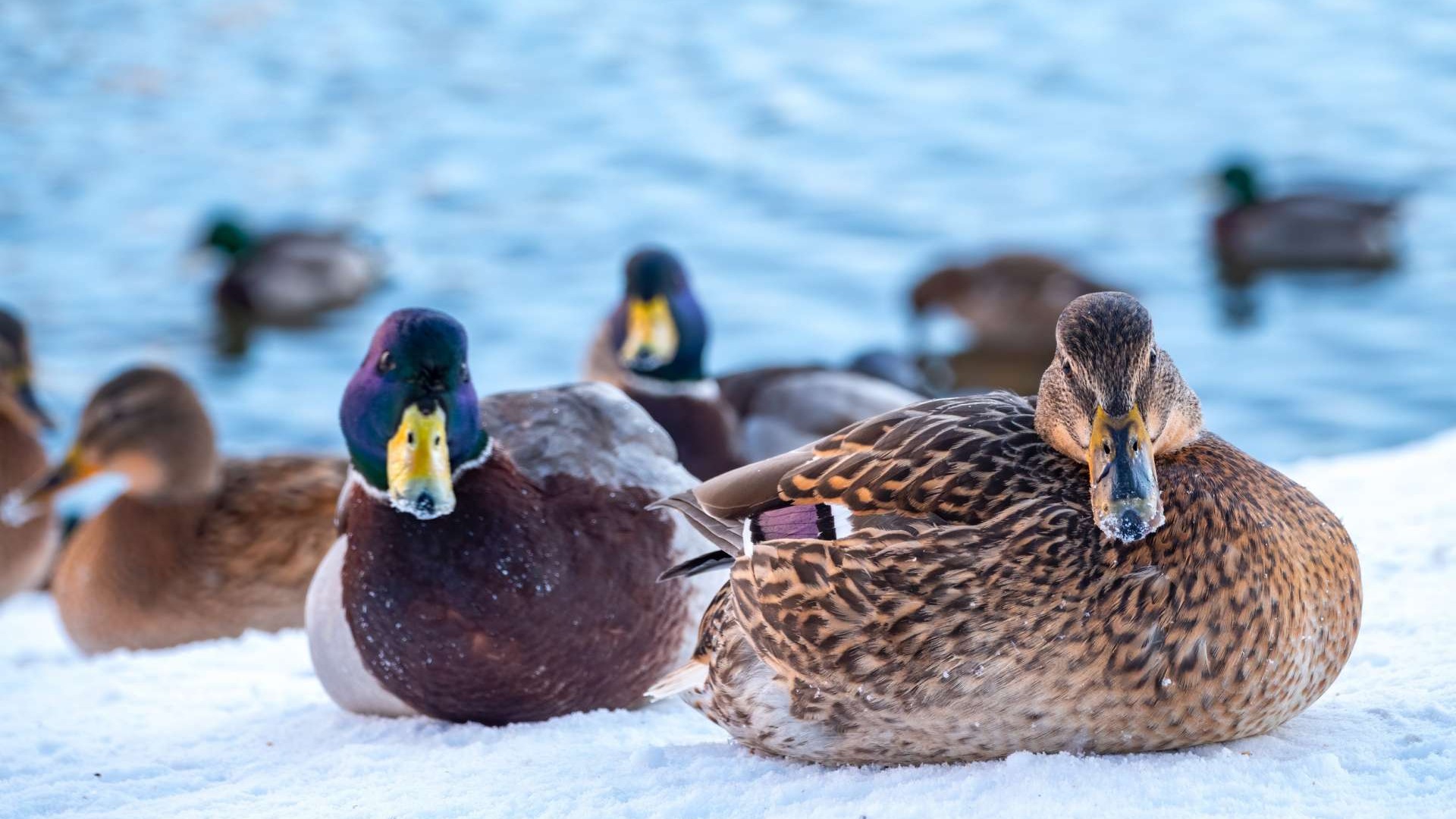
Biologist Nichola Hill from the University of Massachusetts, points to specific duck species, particularly mallards, that function as significant vectors of this virus. These migratory birds can carry the virus over great distances and infect others upon landing, often without exhibiting symptoms themselves. This asymptomatic behavior allows the virus to spread undetected, raising the stakes for livestock and those working closely with them.
Why Autumn Is a Critical Time for Bird Flu
Bird flu historically peaks in the fall months, coinciding with the migration of wild aquatic birds. Louise Moncla, a veterinarian at the University of Pennsylvania, noted similar patterns in the spread from wild birds to their farmed counterparts, indicating that the interplay between wild and domestic populations is more interconnected than previously thought.
Cattle, for instance, are not safe either. Surveillance has shown that they can contract the virus from wild birds that access cattle feed. As Moncla emphasized, understanding these transmission pathways is crucial for implementing effective control measures. Strengthening biosecurity among farms and ramping up surveillance along migratory routes emerges as vital steps to mitigate risk.
Health Implications and Public Awareness
While public health officials assure that the immediate risk of transmission to the general populace remains low, the possibility should not be ignored. Over time, the virus's ability to mutate raises concerns about its capability to infect humans more broadly. Last year's migration saw an alarming increase in detected cases in bird populations, with 29 European countries noting wild birds as carriers.
Mitigating the Risk: Personal and Public Health Measures
For livestock workers and duck hunters, the stakes are particularly high. Hill urges precaution, reminding us that preventive measures can significantly reduce infection risks. These include practicing vigilance around animal handling, maintaining cleanliness, and participating in local health initiatives aimed at curtailing the spread.
A Closing Call to Action: Awareness and Preparedness
As the risk of bird flu looms, it is essential for suburban professionals to stay informed and proactive about their health and wellness—particularly when it pertains to seasonal flu trends. Engaging with reliable health news sources can equip individuals with the knowledge to enhance their well-being this autumn. As members of our society, we must acknowledge not only our connection to the health of our animals but also the broader environmental factors that influence our well-being.
Embrace health trends that advocate for awareness, stay fit, and prioritize your mental health as we navigate this urgent public health challenge. It's always better to be informed, prepared, and healthy, no matter the season.




Write A Comment