

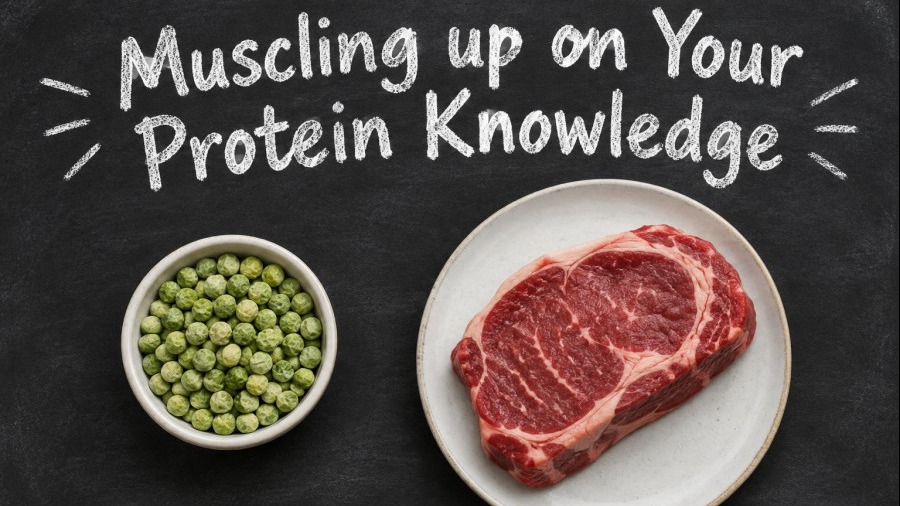
Understanding Protein Sources: Animal vs. Plant
When selecting protein sources, the debate often comes down to animal versus plant proteins. Animal proteins—found in meat, fish, eggs, and dairy—contain complete amino acid profiles, including all nine essential amino acids that our bodies need. Conversely, many plant proteins, derived from legumes, nuts, and grains, might lack one or more of these essential amino acids. However, if you consume a diverse range of plant-based proteins, such as a combination of beans and rice, you can still achieve an adequate amino acid intake that supports muscle maintenance and overall health.
Gut Health: The Emerging Role of Protein
Recent research highlights the significant impact of protein on gut health. While excess protein can sometimes harm gut bacteria, balancing it with fiber from plant sources can help improve microbiome health. The inclusion of fiber-rich foods found in plant proteins supports beneficial gut microbes, contributing to better digestion and overall health. Eating a plant-forward diet may also enhance microbial diversity, which is linked to numerous health benefits, from improved immune function to decreased inflammation.
Navigating Nutritional Packaging in Protein Products
As protein-fortified products flood the market—from protein bars to popcorn—it's crucial to understand what you're consuming. Many protein powders and bars strip away nutrients like vitamins, minerals, and fiber through processing techniques, leading to nutritionally-sparse options. A savvy consumer should read labels, focusing on whole food ingredients with minimal additives that could irritate the gut, like emulsifiers or artificial sweeteners. Look for sources that include natural ingredients, like whole grains, nuts, and seeds, which add fiber and enhance satiety.
The Benefits of Whole Food Protein Sources
Despite the appeal of convenience products, whole food sources of protein are irreplaceable. Foods such as lean meats, fish, eggs, legumes, and dairy not only provide essential amino acids but also come packed with a wealth of other nutrients your body needs. They often offer additional health benefits too, from healthy fats in fish to the probiotics in fermented dairy products like yogurt.
Practical Tips for Increasing Your Protein Intake
Making protein a priority in your diet can be straightforward. Aim to include a variety of high-protein foods in your meals. This might mean starting your day with Greek yogurt topped with fruits and nuts or adding legumes to soups and salads. When grocery shopping, consider trying out newer protein-enhanced products but balance them with whole food sources. Personal interactions with these foods can offer unique insights into how they affect your body—pay attention to how different sources make you feel and adapt accordingly.
How to Choose the Right Protein Products
If you choose to go for protein bars or powders, do so with intention and care. Educate yourself on what ingredients are beneficial. Choose products with clear labels that list recognizable ingredients and avoid those overloaded with sugars or additives. Asking for advice from health professionals or knowledgeable staff in your local health food store can guide you to make smarter choices that are aligned with your health goals.
Conclusion: Holistic Approaches to Protein
Ultimately, understanding protein's role in your diet is key to fostering better health. A balanced perspective recognizes that both animal and plant sources can coexist in a healthy diet, rooted in consuming whole foods and minimizing overly processed options. As we gain more insights into gut health and nutrition, integrating varied protein sources can enhance our wellness journey.
For more actionable health advice and insights into enhancing your overall well-being, stay tuned for our upcoming articles!





Write A Comment