

Every breath we take is vital, but in the evolving world of fitness, technology in personalized fitness is transforming how individuals monitor and enhance their health on a much deeper level. Gone are the days when fitness was just about lifting weights or counting calories. Today, technology empowers people to precisely measure metabolism, oxygen efficiency, and body composition to create truly individualized health plans. Anthony Moses, founder of A.M. Total Being Fitness, explains why this tech-driven approach offers a holistic vision of wellness that goes far beyond appearances. In this article, we explore how fitness technology in personalized fitness is fundamentally changing personal training, health monitoring, and long-term wellbeing.
Understanding Technology in Personalized Fitness: Beyond Traditional Personal Training
Traditional personal training in the fitness industry often relies on generic workout plans and superficial metrics, which can leave many people frustrated by their slow or nonexistent progress. The integration of technology in personalized fitness is addressing this gap by providing in-depth assessments that help trainers and clients understand the unique physiology of each individual. Instead of guessing workout intensity or diet, sophisticated machines measure key parameters like oxygen utilization and metabolic rate to tailor plans precisely to one’s biology.
Anthony Moses of A.M. Total Being Fitness highlights that “Technology has changed the way people look at fitness, allowing them to make more informed decisions and track their progress with precision. ” This means clients no longer train blindly but progress based on real data about their fitness status. The technology also brings the capacity to adapt programs dynamically as users improve or face new challenges, ensuring sustained success rather than temporary fixes.
The Evolution of Personal Training Through Fitness Tech
The personal training industry has evolved dramatically thanks to advancements in fitness tech and innovative fitness technology. Initially, personal training was focused on standardized exercises and anecdotal progress tracking. Today, testers use metabolic analysis tools, VO2 max testing, and body composition scans to create comprehensive fitness profiles. These innovations allow trainers to pinpoint exactly how someone’s body processes oxygen and burns energy, information that was previously unavailable or difficult to obtain outside of a medical setting.
Anthony Moses remarks, “Technology has changed the way people look at fitness, allowing them to make more informed decisions and track their progress with precision. ” This shift encourages a move from short-term “workout trends” to sustainable lifestyle changes rooted in measurable health markers. The result is more effective, safer, and personalized training regimens.
How Fitness Technology Enhances the Training Experience
Fitness technology and wearable tech not only provide vital data but also enhance the overall training experience. Real-time feedback through wearable devices, interactive fitness apps, and digital coaching platforms helps users maintain motivation and ensure correct technique. Customized workout plans generated through intelligent software respond to current fitness levels, personal goals, and ongoing progress.
These technological tools reduce guesswork and prevent overtraining or injury by calibrating exercise intensity and frequency to what the user’s body can sustainably handle. This scientific approach transforms fitness from a trial-and-error endeavor into a strategic, data-supported practice that promotes long-term health.
Key Measurements in Personalized Fitness: From VO2 Max to Body Composition
Why Body Composition and Metabolic Testing Matter More Than Scale Weight
Most people rely on the scale as their primary fitness metric, but Anthony Moses stresses that this is an incomplete and often misleading way to measure health. “Understanding your metabolism and oxygen efficiency is crucial because it tells you how your body truly utilizes energy, not just how much you weigh,” he says.
Body composition testing distinguishes between muscle mass, visceral fat, and subcutaneous fat, offering a nuanced picture of the body’s condition. Especially important is visceral fat, which surrounds organs and is linked to metabolic syndrome and chronic diseases. Traditional weight measurement cannot reveal this dangerous fat accumulation, but metabolic and oxygen utilization tests can signal deeper health issues early.
The Role of Resting Metabolic Rate and VO2 Max in Tailoring Fitness Programs
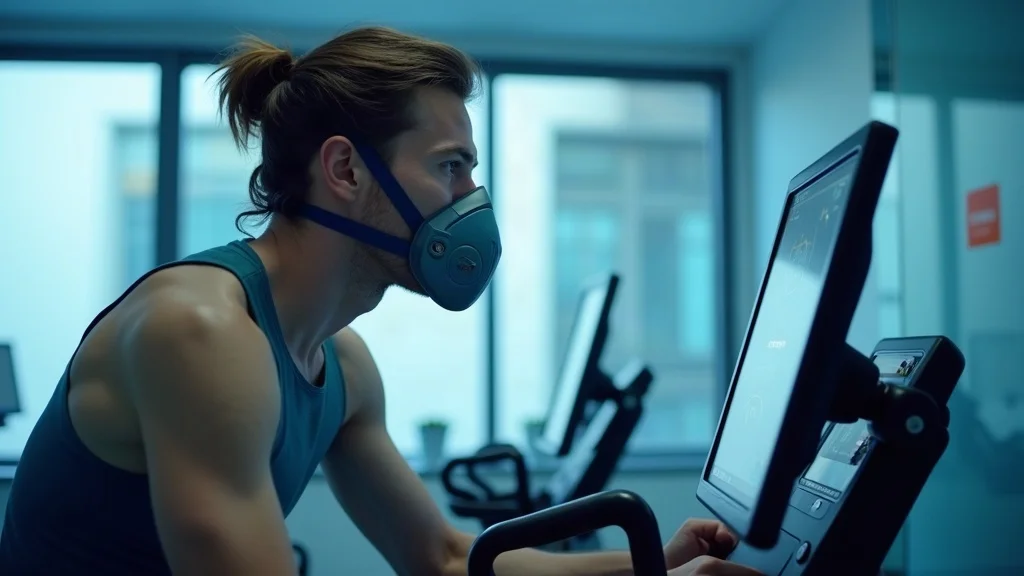
Resting Metabolic Rate (RMR) measures how many calories your body burns at rest, while VO2 max assesses your body's maximum oxygen uptake during exercise—both critical indicators of cardiovascular and cellular health. According to Anthony Moses, “Oxygen is what keeps us alive. Without oxygen, that’s the baseline. ” The efficiency with which your body uses oxygen determines your ability to sustain physical activity and burn fat efficiently.
By measuring RMR and VO2 max, trainers can design programs that respect individual thresholds rather than pushing everyone to a one-size-fits-all standard. This approach prevents burnout and injury, ensuring clients stay motivated and steadily improve their fitness.
Wearable Tech and Augmented Reality: The Future of Fitness Technology
Popular Types of Wearable Technology in Fitness
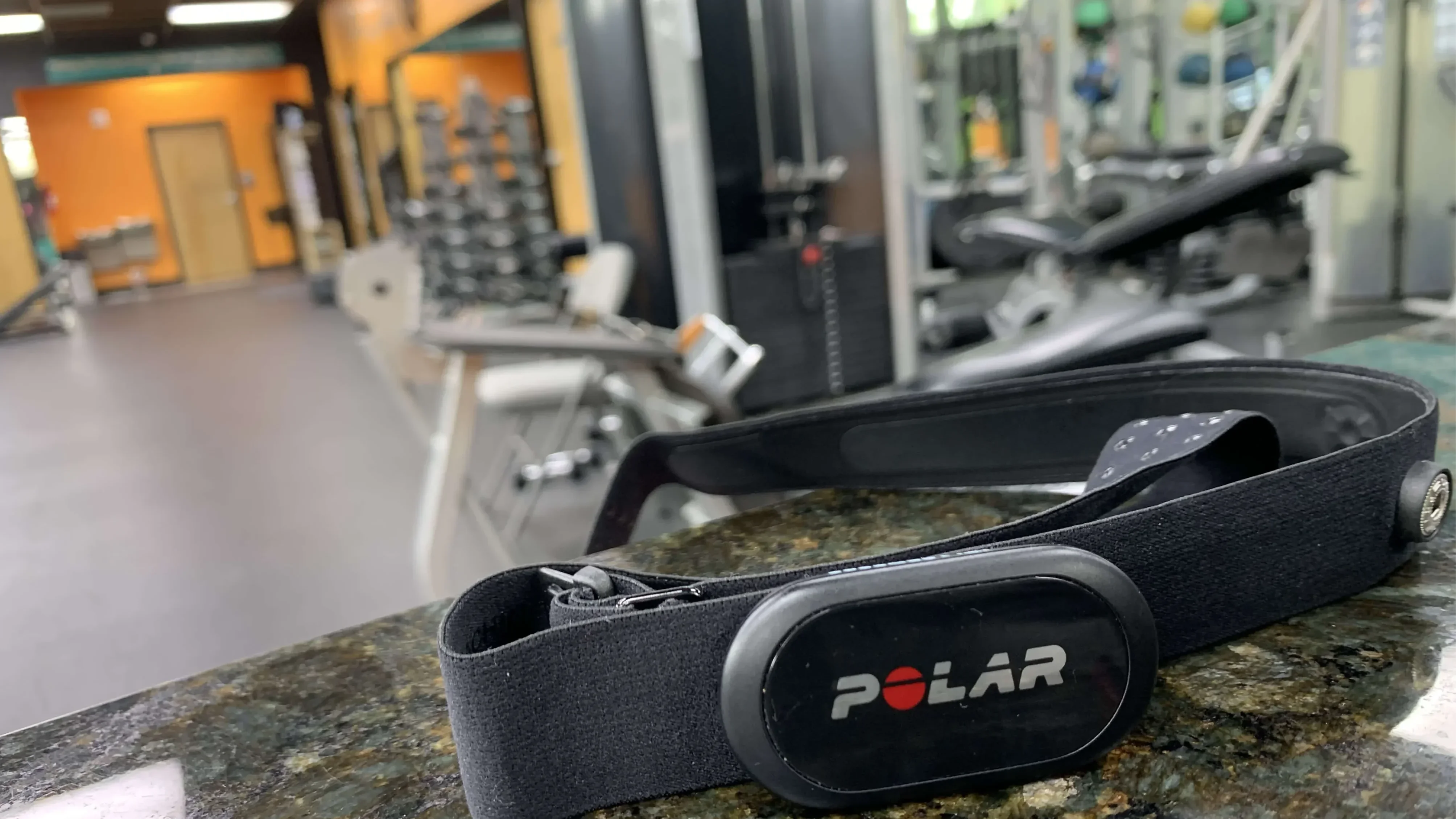
Wearable tech has become a mainstream component of personalized fitness, revolutionizing how users engage with their health and fitness routines. Devices like smartwatches, fitness trackers, heart rate monitors, and even augmented reality (AR) glasses provide users with continuous data about heart rate, activity levels, calories burned, and more. These gadgets enable people to monitor workouts, recovery times, and overall health day-to-day.
Anthony Moses’s approach integrates such devices into a broader methodology, emphasizing that “being fit is more than what you see on the outside; it includes mental, emotional, and social health. ” Wearables help track these facets by monitoring sleep quality, stress levels, and reminding users to move or rest appropriately.
How Augmented Reality is Enhancing the Fitness Industry Experience
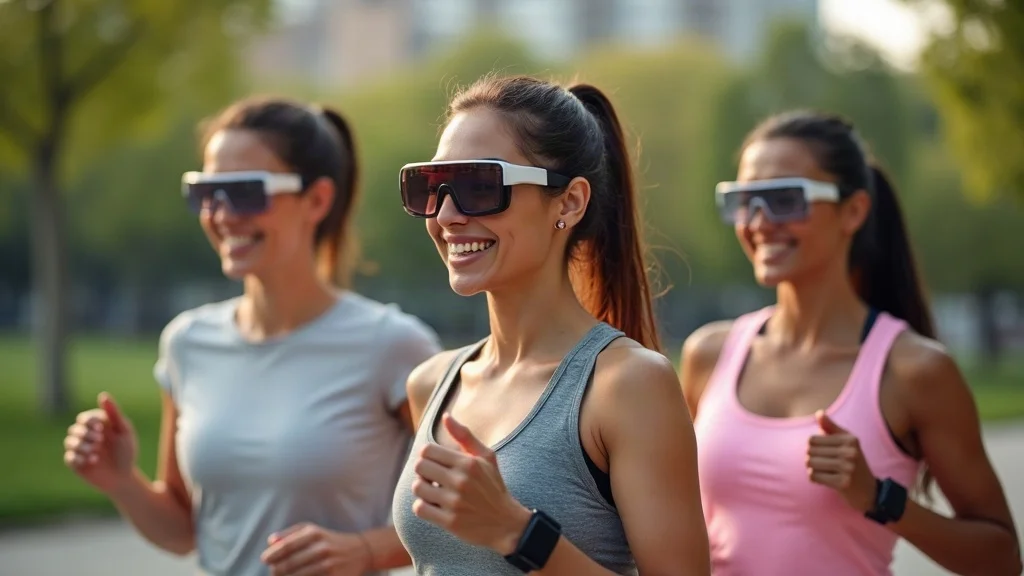
Augmented reality is another frontier changing the fitness industry by offering immersive and interactive workout experiences. AR can overlay workout instructions, provide real-time form correction, and gamify exercise to increase engagement. It makes virtual personal training sessions immersive and accessible from anywhere, which is especially valuable for busy professionals balancing multiple demands.
Eliminating Guesswork: How Technology Provides Data-Driven Fitness Solutions
Common Fitness Misconceptions Addressed by Technology
Many misconceptions hinder people’s fitness journeys—such as the belief that working harder is always better or that counting calories alone guarantees weight loss—yet fitness technology reveals the importance of metabolic health and oxygen utilization. Technology exposes these myths by revealing that emotional energy, oxygen utilization, and metabolic health strongly influence results.
Anthony Moses highlights, “People think they have to work harder, but working smarter leads to sustained results. Our metabolic and VO2 max testing reveals your starting point and allows you to progress gradually. ” This rejection of “go hard or go home” mentality helps users avoid burnout and frustration.

The Moses Method: Personalized Fitness Backed by Scientific Testing
The Moses Method™ exemplifies data-driven fitness personalization by integrating cutting-edge fitness tech with scientific testing. Beginning with medically graded testing, it assesses metabolism, body fat types, and cardiovascular health to create individualized plans. Anthony Moses explains that this method “eliminates guesswork” by using continuous reassessments to adapt workouts and diets based on progress and changing client needs.
By combining cutting-edge technology with a holistic focus on mental, emotional, and social wellness, the Moses Method™ achieves comprehensive health improvements, not just aesthetic gains.
Integrating Emotional and Social Wellness with Technology in Personalized Fitness
True health extends beyond physical metrics. Anthony Moses stresses that “being fit is more than what you see on the outside; it includes spiritual, emotional, physical, social and intellectual health, which technology helps us monitor and improve holistically. ” Technology can track indicators related to stress and sleep prompting users to address these critical wellness components.

Practical Tips for Busy Professionals Using Technology in Personalized Fitness
Maximizing Limited Time with Data-Driven Workouts
Busy professionals often struggle to allocate time for workouts, but wearable tech and personalized fitness technology help maximize limited time with data-driven workouts. Using technology, such as metabolic testing and personalized programming, helps maximize the efficiency of limited exercise sessions. Anthony Moses suggests that even one hour a week, if used intentionally with personalized guidance, can yield meaningful benefits. Technology ensures that workouts focus on the right intensity and areas, reducing wasted effort.
Using Technology to Track Progress and Stay Accountable
Accountability is a major factor in adherence. Technology-enabled coaching via apps, wearable reminders, and regular assessments keeps users motivated and aware of their progress. Anthony Moses notes that “having someone hold you accountable increases your chances to stick with it. ” Automated tracking paired with human coaching fosters consistency and long-term success.
People Also Ask
What technologies are used in fitness?
Fitness technologies include wearable devices like smartwatches and fitness trackers, metabolic testing machines, DEXA scan, VO2 max analyzers, heart rate monitors, fitness apps, augmented reality (AR) platforms, and virtual coaching tools. These technologies help gather data to personalize workouts and track progress accurately.
What is the 3-3-3 rule for fitness?
The 3-3-3 rule typically refers to structuring workouts or routines in sets of three components such as 3 minutes of warm-up, 3 rounds of exercise, and 3 minutes of cool-down. It’s a simple guideline to balance effort and recovery, helping beginners establish sustainable exercise habits.
What are 12 different types of wearable technology?
Common wearable tech in fitness includes:
Smartwatches
Fitness bands
Heart rate monitors
GPS trackers
Smart clothing
Activity trackers
Sleep monitors
Calorie counters
Blood oxygen sensors
Electrocardiogram (ECG) devices
Posture trackers
Augmented reality glasses
What are the latest technologies in fitness?
The latest fitness technologies focus on AI-driven coaching, advanced metabolic testing, AR/VR immersive training, machine learning for personalized exercise prescriptions, real-time biometric feedback, and integration of mental health and emotional wellness tracking.
Fitness Technology |
Features |
Benefits |
Use Cases |
|---|---|---|---|
Metabolic Testing Machines |
Measure resting metabolic rate, oxygen consumption |
Personalized workout and diet plans, detects health risks |
Baseline assessments, ongoing progress monitoring |
Wearable Devices (Smartwatches, Trackers) |
Heart rate, activity tracking, calorie counting |
Real-time feedback, motivation, accountability |
Daily activity monitoring, workout optimization |
VO2 Max Testing Equipment |
Measures maximal oxygen uptake during exercise |
Assesses cardiovascular fitness, tailors cardio training |
Athlete training, endurance improvement programs |
Augmented Reality Fitness Apps |
Immersive workout experiences, coaching overlays |
Enhanced engagement, form correction |
Home workouts, virtual personal training |
Body Composition Scanners (DEXA) |
Detailed fat, muscle, and bone density analysis |
Tracks fat distribution, injury risk, progress |
Weight management, clinical health monitoring |
Key Takeaways
Technology in personalized fitness enables precise measurement of metabolism, oxygen efficiency, and body composition.
Wearable tech and augmented reality are transforming how users engage with fitness programs.
The Moses Method™ integrates scientific testing with holistic wellness for sustainable health improvements.
Emotional and social health are critical components of overall fitness, supported by technology.
Busy professionals can leverage technology to optimize workouts and maintain accountability.
Conclusion
Start your fitness journey by assessing your unique biology with scientific tools, embrace holistic wellness, and let data-driven technology guide your sustainable health transformation.
Sources
Contact Anthony Moses and A.M. Total Being Fitness
For a personalized consultation and to experience the transformative power of technology in personalized fitness, contact Anthony Moses’s team at:
Location: 30679 Southfield Road, Southfield, MI 48076
Phone: (248) 480-0131
Websites: mosesmethodfitness.com | amtbfit.com




Write A Comment