Inner Momentum Media
update
Inner Momentum Media
update
  • Home
  • Categories
    • Health
    • Mental
    • Trends
    • Nutrition
    • Weight
    • Work
    • Well Being
    • Finances
    • Fitness
    • Mindset
    • Pregnancy
    • Skin and Hair
    • Extra News
    • Interviews with Experts
    • International Health News
    • New Research
  • Trusted Businesses
  • Technology
May 22.2026
1 Minute Read

Insights from a Swim Club President: Building Community and Wellness in a Digital Age

In today’s digital age, where screens often replace face-to-face interactions, fostering authentic community connections can feel challenging. Yet, at Farmington Glen Aquatic Club, swim club community leadership is redefining how families and neighbors reconnect and thrive together. Imagine a place where phones are set aside, children play freely, and adults gather poolside in genuine conversation—this glimpse into what a swim club can be proves timeless. Join us as Dennis Millinoff, president of the Farmington Glen Aquatic Club, shares expert insights on building family wellness and community bonds amidst modern challenges.
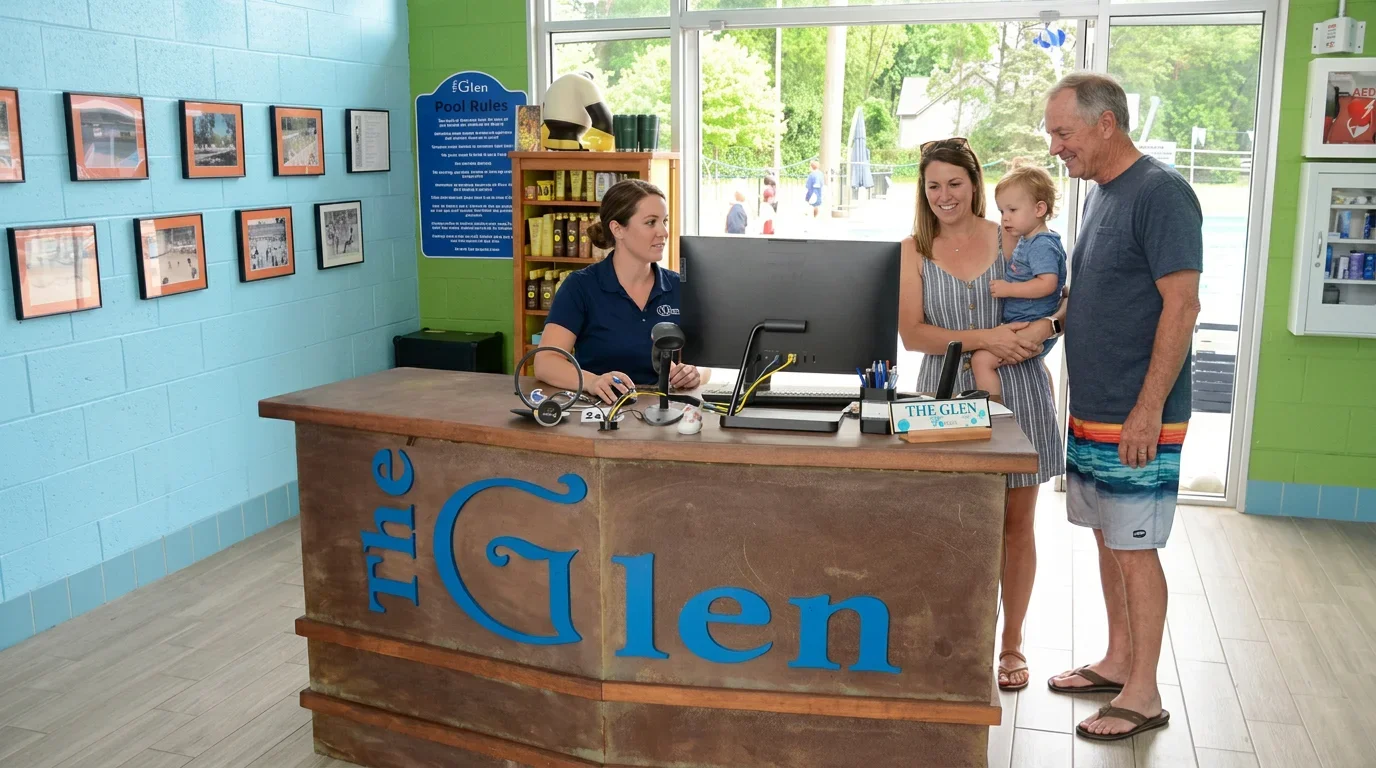
Cheerful family checking into The Glen Swim Club community facilities in Farmington, MI

The Role of Swim Club Community Leadership in Strengthening Family Wellness and Community Bonds

Swim club community leadership, including strong swim team programs and head coach involvement, plays a vital role in creating environments where families can slow down and nurture real-world relationships. In an era dominated by digital devices, many public spaces see fragmented interactions, but swim clubs break this pattern by encouraging unstructured, technology-free social time. Dennis Millinoff, president of the Farmington Glen Aquatic Club, emphasizes, “Families, when they come to our club, things slow down a little. They’re not looking at their phones. The kids are playing together. The adults are talking to each other on the pool deck. ” This intentional slowing down fosters mental wellness, social skills, and multi-generational friendships.

The club environment provides a sanctuary from the regimented schedules affectionately filled by sports camps and tech distractions. Here, families and neighbors gather not only to swim but to reconnect with each other in a wholesome, community-oriented setting that nurtures both physical and emotional health. This is the essence of effective swim club leadership—championing a safe, welcoming space that prioritizes well-being over digital distractions.

"Families, when they come to our club, things slow down a little. They're not looking at their phones. The kids are playing together. The adults are talking to each other on the pool deck." – Dennis Millinoff, Farmington Glen Aquatic Club

What Sets Farmington Glen Aquatic Club Apart from Public Pools and Larger Recreational Facilities

Community Ownership and Member Engagement

A unique hallmark of the Farmington Glen Aquatic Club is its member-owned bond structure, which fosters a deep sense of belonging and responsibility among its 360 families. Unlike public pools governed by municipalities or corporate recreational centers, each member at Farmington Glen is both a user and a part-owner with voting rights. This democratic approach empowers members to have a tangible say in decisions, enhancing transparency and trust in leadership.

The club’s leadership board, comprised of active members volunteering their time and expertise, consistently seeks fresh ideas to keep the facility vibrant and responsive to community needs. Board meetings allow members to engage directly with their leaders, unlike typical corporate gyms where customer input often fades into anonymity. This level of engagement is the backbone of the swim club’s enduring success and loyalty.

Social Events and Lifeguard Connections

Beyond ownership, the Farmington Glen Aquatic Club thrives as a social hub. The club organizes numerous events like the opening day potluck, Independence Day celebrations drawing up to 300 participants, and lively Labor Day send-offs. These gatherings cement social bonds among families and friends, enhancing the true neighborhood feel. What’s more, lifeguards at the club are often community members and peers, creating familiar and trusted supervision that complements the family atmosphere.

As Dennis Millinoff shares, “The lifeguards get to know the kids. It’s not going somewhere where it’s disconnected. Those lifeguards may have been their peers or the brothers and sisters of their friends. ” This personal touch makes the club feel less like a business and more like an extended family.
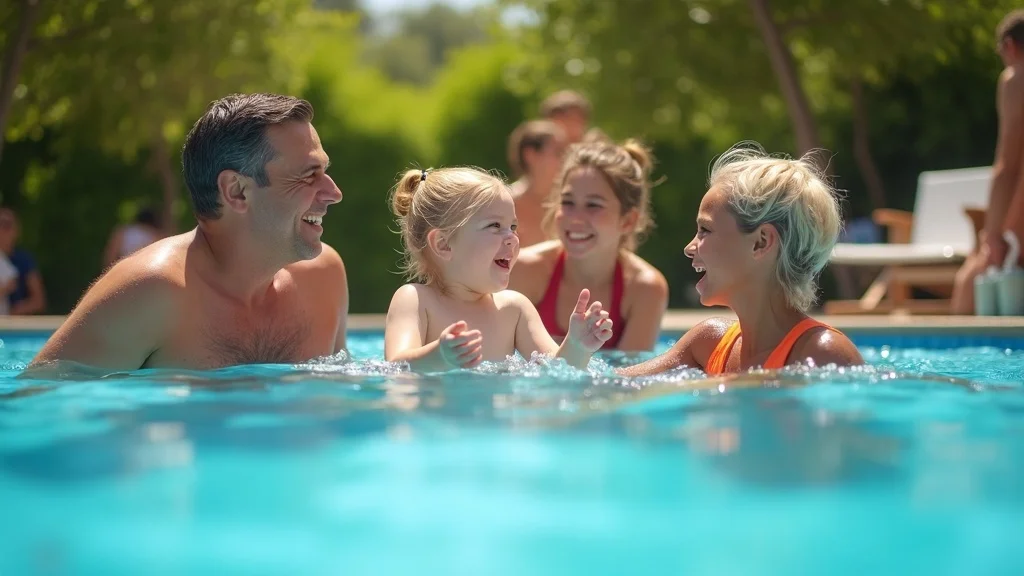
Swim club community leadership in vibrant neighborhood swim club gathering with families laughing poolside and children playing

Comprehensive Activities Beyond Swimming to Promote Physical and Mental Well-being

Swim Lessons and Competitive Swim Teams

Physical health is a cornerstone of the Farmington Glen Aquatic Club’s mission, manifested through a wide spectrum of swimming programs led by experienced head coaches and a competitive swim team. Swim lessons for children as young as four ensure early water safety education, taught by Red Cross-approved lifeguards with years of experience. The club also supports adult swimmers with morning and evening lap programs, swim team training sessions, and coaching guidance, promoting fitness for all ages.

A competitive swim team at Farmington Glen engages roughly one-third of all members, cultivating not only athletic skills but also fostering camaraderie and strong community pride. “Within a few years of hiring our head coach, we went from not winning meets to becoming league champions, which boosted the entire club’s spirit,” notes Dennis Millinoff. Many former team members have earned scholarships at major universities, showcasing the club’s commitment to excellence balanced with fun.
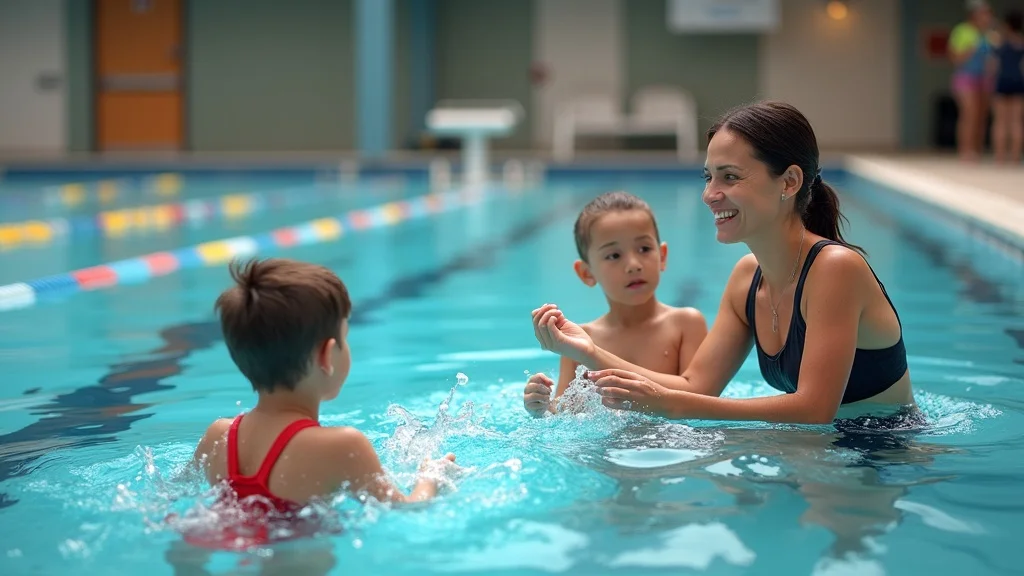
Swim club community leadership with enthusiastic swim coach giving tips to young swimmers at pool edge

Recreational Facilities and Social Engagement

What makes the club especially vibrant is the variety of non-swimming amenities designed to foster social interaction and fun. These include a modern pavilion with a snack bar, grills for family cookouts, a large playscape for children, sand volleyball courts, basketball hoops, and lawn games like cornhole. Members can spend an entire day immersed in activity and friendly conversation.

Such diversity in offerings helps balance physical activity with social engagement, benefiting mental well-being by keeping members actively connected. Regularly scheduled events like float nights, movie screenings, card tournaments, and themed social mixers make the club a dynamic community focal point year after year.
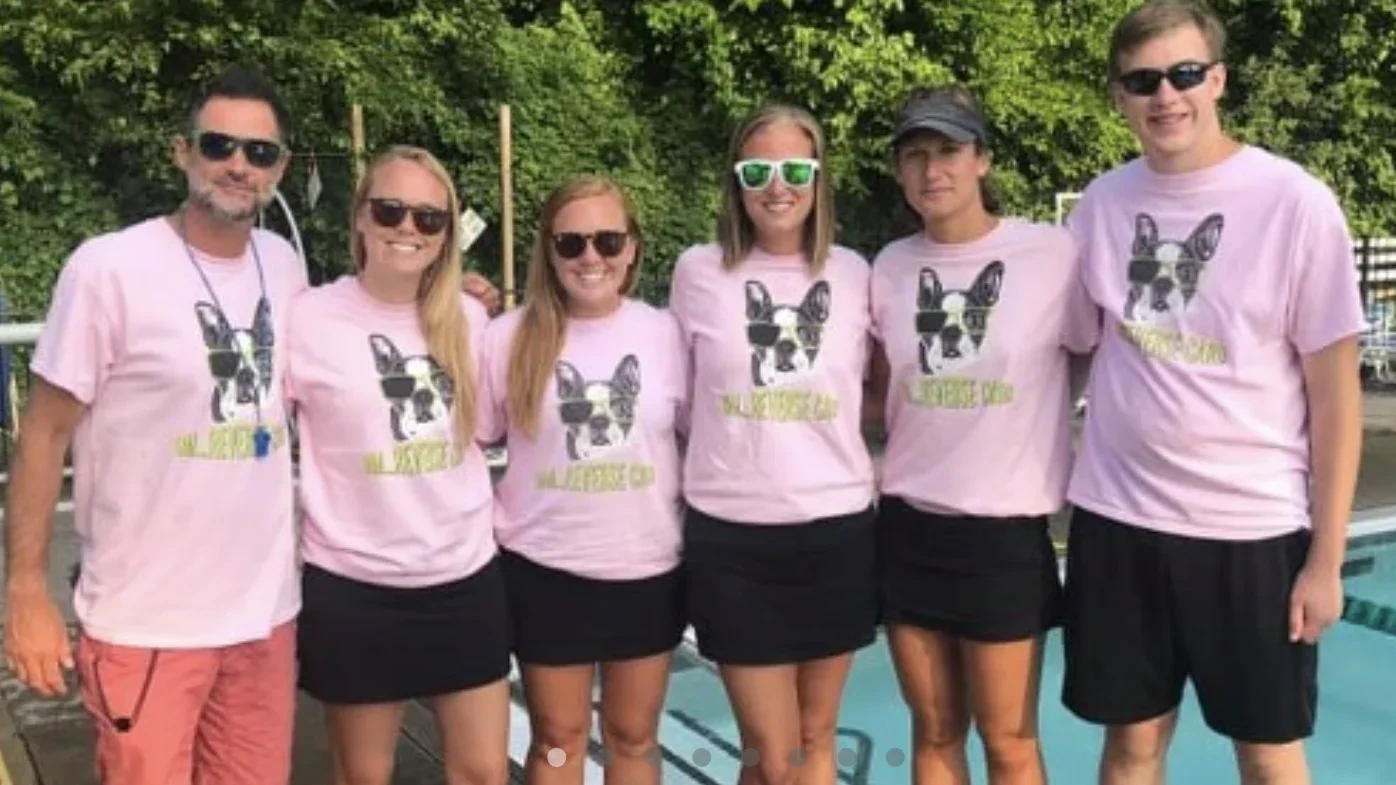
Coaches enjoying swim club community facilities at outdoor pavilion

Unexpected Benefits of Joining a Swim Club Community

"For many kids, their first job is working at the Farmington Glen, whether in the snack bar or as lifeguards, gaining valuable life experience under excellent supervision." – Dennis Millinoff, Farmington Glen Aquatic Club

Joining a swim club often reveals benefits beyond initial expectations. For many young members, their very first job opportunity springs from the club’s lifeguard and snack bar positions, offering invaluable real-world experience in a supportive environment supervised by skilled managers. These roles nurture responsibility, teamwork, and leadership skills that members carry into adulthood.

Members also appreciate how the swim club serves as a cherished summer destination, a place where families and friends gather regularly to relax and strengthen bonds. The community atmosphere helps children escape digital isolation and cliques, facilitating friendships that span different schools and neighborhoods.

How Swim Club Community Leadership Creates a Healthy, Screen-Free Environment for Kids

Active Supervision and Peer Role Models

A core achievement of swim club community leadership is creating an environment where children disconnect from screens naturally. The presence of actively engaged lifeguards, who are often peers and local youth, provides positive role models embodying responsibility and community values.

“Our lifeguards are highly trained and must be ready to save lives if needed,” says Millinoff. This seriousness combined with an inviting atmosphere encourages kids to be present and engaged rather than staring at their devices. The club’s programming includes constant opportunities for varied activities, encouraging social interaction over solitary screen time.
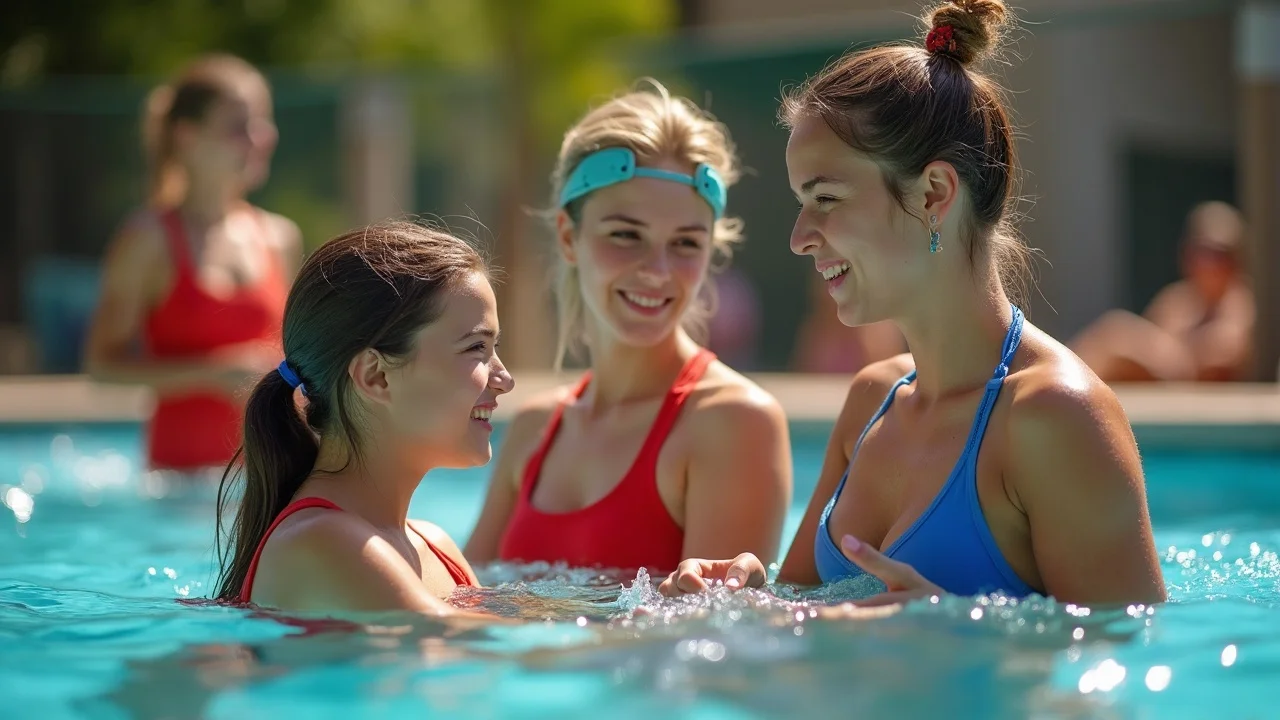
Swim club community leadership with engaged teenagers socializing poolside and lifeguards supervising attentively

Leadership Style and Board Member Involvement in Sustaining a Thriving Swim Club

Member Voting and Financial Stewardship

The club demonstrates exemplary financial stewardship through its democratic governance model. Members owning bonds vote annually on key initiatives, such as the installation of a new pavilion costing over a quarter million dollars. This transparent process builds trust and ensures funds are allocated toward meaningful improvements that benefit the community.

“As president, I make the case to the members why investments are essential, and they consistently support initiatives unanimously, which is truly gratifying,” explains Millinoff. This participatory leadership model fosters commitment and pride among members.

Board Member Engagement and Fresh Ideas

Farmington Glen continuously advances by welcoming fresh perspectives from dedicated board members and volunteers. The club’s social events and programming often reflect these new ideas, keeping the community vibrant and responsive to members’ interests.

Dennis Millinoff credits this collaborative environment, including the leadership of the head coach and swim team, with sustaining the club’s success for over six decades, emphasizing the importance of ongoing member involvement and innovation to remain relevant and appealing.
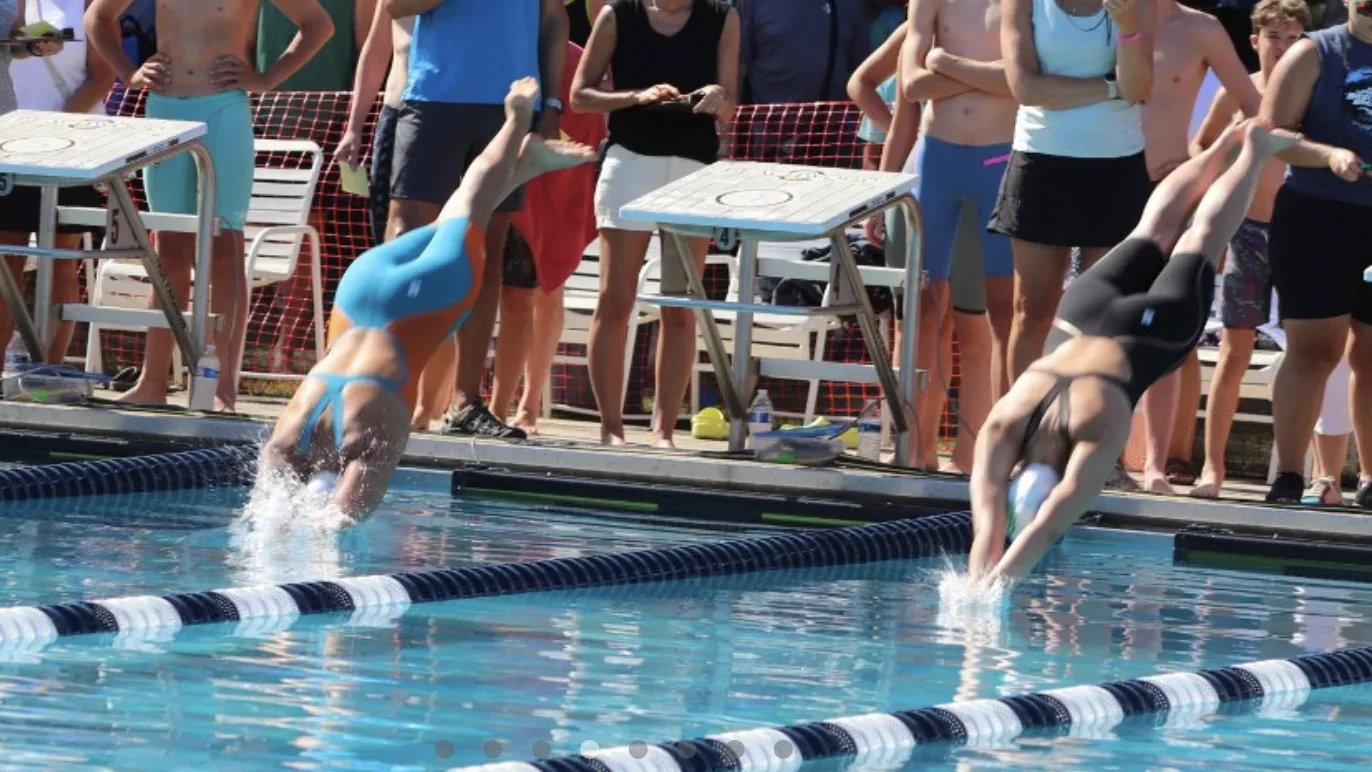
Swim team competing at The Glen Swim Club Farmington

The Impact of a Dedicated Head Coach on Swim Team Success and Community Pride

"Within a few years of hiring our head coach, we went from not winning meets to becoming league champions, which boosted the entire club’s spirit." – Dennis Millinoff, Farmington Glen Aquatic Club

The transformation of the swim team from perennial underdogs to league champions highlights the significant impact of visionary leadership and the expertise of a dedicated head coach. The club attracts and retains top-tier head coach professionals who effectively motivate and develop swim team members across all ages.

This swim team success not only raises competitive standards but also elevates community pride, drawing positive attention to the club and encouraging higher participation in swim and social programs. The leadership at Farmington Glen embraces both competition and fun, fostering a balanced and supportive atmosphere.

Engaging Events and Programs Beyond Swimming to Enhance Member Experience

The club hosts an array of engaging events designed to unite members and keep the calendar lively. These include themed adult parties, frequent “float nights” with fun pool activities and root beer floats, family movie nights, card tournaments, and creative competitions like cardboard boat races.

Such diverse programming appeals to all ages, ensuring there's something for everyone whether swimming enthusiastically or just enjoying social time. This holistic approach significantly enhances member satisfaction and solidifies the club’s role as a community cornerstone.

Swim club community leadership hosting festive evening swim club event with families enjoying pool float night

Preserving Tradition While Innovating for the Future of the Swim Club Community

Maintaining Financial Viability to Sustain Community Wellness

Sustainability is critical for any community organization, and Farmington Glen’s leadership prioritizes financial health to continue offering high-quality facilities and programs. As Dennis Millinoff explains, “We operate the club like a business, ensuring we remain financially viable to avoid cutbacks and decline. ”

This prudent financial management allows the club to regularly invest in modern improvements — from upgrading pavilions to adding Wi-Fi and introducing food truck Fridays. Such innovations keep the club attractive to current and prospective members while honoring its rich 60-year tradition.

People Also Ask

What is the 80 20 rule in swimming?

The 80/20 rule in swimming suggests that 80% of a swimmer's training intensity should be at a low to moderate level, focusing on endurance and technique, while 20% should be high-intensity efforts to improve speed and power. This balance helps promote long-term endurance without overtraining.

What are the 4 pillars of swimming?

The four pillars of swimming typically include technique, endurance, strength, and flexibility. Mastering these elements ensures swimmers develop efficient strokes, maintain stamina, build muscle, and prevent injuries, contributing to overall performance and longevity in the sport.

Can a swim team be a 501c3?

Yes, a swim team can register as a 501(c)(3) nonprofit organization if it meets IRS requirements for charitable, educational, or community-focused activities. This status allows the team to receive tax-deductible donations and qualify for grants to support operations and programs.

Are swim clubs profitable?

Swim clubs often operate on a nonprofit or break-even basis with profitability varying by size, membership fees, and management. Clubs like Farmington Glen balance financial sustainability with community service rather than prioritizing profit, reinvesting funds into facility improvements and member benefits.

Comparison Table: Farmington Glen Aquatic Club vs. Public Pools and Corporate Facilities

Feature

Farmington Glen Aquatic Club

Public Pools

Corporate Facilities

Ownership

Member-owned bonds

Municipal

Corporate

Community Engagement

High, with voting rights and events

Low

Moderate

Swim Team Quality

Competitive with top coaching

Varies

Varies

Social Activities

Numerous, including themed events

Limited

Limited

Facilities

Modern, continuously improved

Basic

Varies

Family Wellness Focus

Strong, holistic approach

Moderate

Moderate

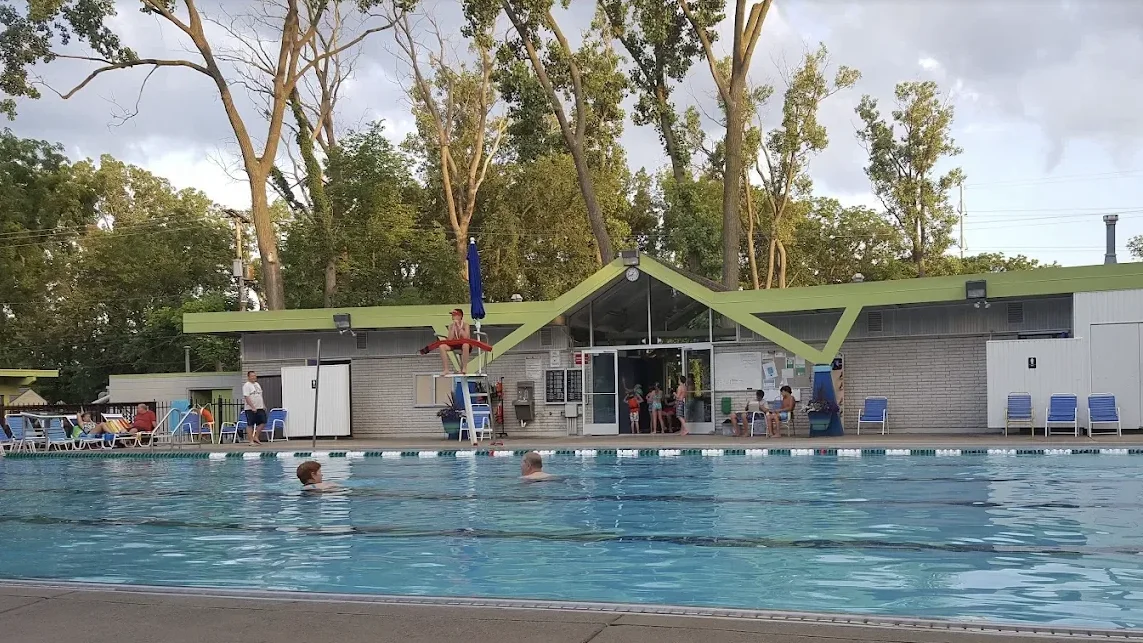
Swimming pool at The Glen Swim Club Farmington with certified lifeguard on duty and members enjoying the facilities

Key Takeaways

  • Swim club community leadership fosters meaningful social connections and wellness.

  • Member ownership and active board involvement create a unique, engaged community.

  • Diverse programs and events extend benefits well beyond swimming.

  • Strong coaching elevates swim team success and community pride.

  • Continuous innovation ensures the club remains relevant and financially viable.

Conclusion

Explore how swim club community leadership at Farmington Glen creates a warm, engaging, and health-focused environment. Join us to experience the lasting benefits of community wellness and personal growth first-hand.

Visit Farmington Glen Aquatic Club →

Or call us at (248) 474-2525 to learn more.

Interviews with Experts

1 Views

0 Comments

Write A Comment

*
*
Please complete the captcha to submit your comment.
Related Posts All Posts
05.08.2026

Insights from a Physical Therapy Expert: The Power of Compassion and Personalized Care

Imagine regaining your mobility and independence through personalized physical therapy and compassionate care. Whether recovering from injury or striving to stay active with family, personalized physical therapy can transform lives. In this article, we share physical therapy expert insights from Andrea Aliseo, PT, DPT, Clinical Director at Ivy Rehab Physical Therapy in Farmington, Michigan, revealing how empathy, education, and individualized treatment shape successful outcomes.Understanding the Role of Physical Therapy Beyond Pain ReliefSigns You Might Benefit from Physical Therapy Sooner Many people believe physical therapy is solely for pain management or injury recovery, but expert insights emphasize that physical therapy addresses much more than just pain. Andrea Aliseo, a physical therapy expert and Clinical Director at Ivy Rehab, explains, "Pain doesn't have to be the goal. It's any physical challenge that you may have. . . like getting down on the floor to play with my kids. " When everyday movements such as bending down, tying shoes, or maintaining balance become difficult, physical therapy can enhance endurance and mobility.Loss of physical fitness or feeling less able to move as freely as before are also important signs to consider physical therapy for injury prevention and improved mobility. This proactive approach helps address challenges before acute pain or injury arises, allowing individuals to maintain an active lifestyle with confidence. According to Andrea, improvements in these fundamental abilities often improve quality of life dramatically, enabling tasks that people sometimes take for granted.Common Misconceptions About Physical TherapyA major misconception about the role of physical therapy is that it involves painful or intimidating procedures. Andrea Aliseo clarifies, "We are not the pain and torturers. It's not our goal to make you cry or make things very difficult. " The goal is to facilitate recovery and mobility through compassionate care, not to induce discomfort unnecessarily.Furthermore, some think physical therapy consists solely of home exercises, but physical therapists provide expert guidance and personalized treatment plans. However, professional guidance includes progression and personalized adaptations critical for effective healing and injury prevention. As Andrea notes, physical therapists design treatment plans that safely increase strength, flexibility, and function, which may be difficult to replicate without expert care.Top 5 Benefits of Personalized Physical Therapy CareIndividualized treatment plans tailored to each patient's unique needs ensuring maximum effectiveness and addressing specific challenges.One-on-one care ensuring consistent therapist-patient relationship to build trust and monitor progress closely.Comprehensive education on injury prevention and body mechanics empowering patients with knowledge to maintain health.Support for a wide range of patients from youth athletes to seniors adapting methods to varied ages and abilities.Ongoing access to care and home exercise programs for long-term wellness assisting patients beyond clinic sessions.Injury Prevention: Simple Habits to Stay Active and Healthy Basic Routines to Build a Strong FoundationInjury prevention is a crucial part of physical therapy, and simple daily habits can significantly reduce the risk of injuries. Andrea Aliseo advises, "Just give yourself five to ten minutes. . . do a couple of stretches before you get up. Simple changes can help build the foundation and the building blocks. " Incorporating brief stretching and gentle movement into your morning routine can improve flexibility, circulation, and prepare your body for the day's activities.This gradual approach makes consistency easier and less intimidating than aiming for long or intense exercise sessions right away. By focusing on small, attainable routines over time, you establish a foundation for greater endurance and injury resistance that supports an active lifestyle long-term.Addressing Muscle Imbalance and Sedentary Lifestyles Many injuries originate from muscle imbalances or sedentary habits common in modern life. Prolonged sitting, driving, and lack of movement can lead to tight muscles, weakness in key areas, and poor posture. Addressing these risk factors is an essential part of customized physical therapy plans.Programs often focus on improving core strength, balance, and proper movement techniques. According to Andrea, "It's flexibility, are you using your core muscles properly? How are you lifting? It really is going to depend on the person. " Personalized care targets root causes of dysfunction rather than just symptoms to help restore natural, pain-free movement.Expert Insights on Physical Therapy Techniques and InnovationsDry Needling: A Modern Approach to Pain Management Among the latest research in physical therapy techniques, dry needling stands out as an innovative method for effective pain management. Andrea Aliseo shares, "Dry needling can provide almost immediate pain relief for some patients, helping to release muscle tension and improve fascia movement. " Unlike acupuncture, dry needling specifically targets tight muscle areas using thin needles to release trigger points and improve mobility.This minimally invasive treatment is often integrated into a broader therapy program and can bring rapid improvement, motivating patients during recovery. Although responses vary, many patients experience significant reduction in pain shortly after treatment, enhancing their ability to participate actively in physical therapy exercises.Tailoring Treatments to Individual NeedsThe role of physical therapy is highly individualized, with treatments tailored to each patient’s unique needs and progress. Andrea emphasizes that treatments are adjusted continually based on each patient’s progress and specific concerns. This personalized approach means using techniques like dry needling when appropriate but always focusing on whole-body wellness and functional goals, such as returning to sports, daily tasks, or improving balance.Such customization fosters better outcomes by ensuring therapy aligns with the patient’s lifestyle, preferences, and health status. The relationship between therapist and patient is fundamental to adapting care thoughtfully over time.Success Stories: Transformative Outcomes Through Compassionate Care Success stories from physical therapists highlight how compassionate and personalized physical therapy transforms patient outcomes. Andrea Aliseo recalls a remarkable patient journey: "One patient went from a wheelchair to walking a 5K together. It wasn’t about the time, but the fact that she could do it. " This transformation highlights how physical therapy empowers individuals to reclaim mobility, independence, and joy.These outcomes are often the result of sustained effort, encouragement, and finely tuned therapy plans that meet emotional as well as physical needs. The human connection and belief in potential are as vital as technical skill in rehabilitation.How Ivy Rehab’s Personalized Approach Sets It ApartConsistent One-on-One Care Without TechniciansIvy Rehab Physical Therapy in Farmington prioritizes deep personalization through a consistent therapist-patient relationship. Andrea explains, "We don't have technicians here. . . You're always with the same therapist. It really is about that individual specific person. " This continuity avoids the impersonal experience some clinics deliver and ensures detailed attention and tailored progression over each session.By building trust and understanding, therapists at Ivy Rehab can better motivate patients and adjust treatments responsively, which contributes greatly to success and patient satisfaction.Open-Door Policy for Ongoing Support and WellnessBeyond therapy sessions, Ivy Rehab embraces an open-door policy to support patients long-term. Andrea shares that discharged patients receive home exercise programs and are welcome to return with questions or for maintenance sessions. There is even an optional fitness membership for those wanting ongoing supervised exercise without formal therapy.This holistic approach ensures patients don’t feel abandoned after formal care ends and encourages sustained health, reduced injury risk, and continuous improvement in physical function.People Also AskWhat are the early signs that I should see a physical therapist?If you find daily movements like bending, tying shoes, or playing with your children becoming challenging, or if you notice decreased endurance or balance issues, it’s a sign to consult a physical therapist. Early intervention helps prevent more serious problems and supports better long-term mobility.Is physical therapy only for injury recovery?No. Physical therapy is not only for injury recovery but also for managing chronic conditions, improving functional mobility, preventing injuries, and enhancing overall fitness. Many patients seek therapy proactively to maintain quality of life.How does dry needling differ from acupuncture?Dry needling targets trigger points in muscles to release tension and improve movement, using thin needles without medication. Acupuncture is a traditional practice based on balancing energy flow. Dry needling is more focused on musculoskeletal issues, as explained by Andrea Aliseo.What You'll LearnKey indicators for seeking physical therapy earlyBenefits of personalized physical therapy careSimple injury prevention habits for everyday lifeInnovative physical therapy techniques like dry needlingHow compassionate care transforms patient outcomesPhysical Therapy BenefitDescriptionExpert InsightPersonalized CareTailored treatment plans for individual needsAndrea Aliseo emphasizes one-on-one care as Ivy Rehab’s strength.Injury PreventionSimple routines to maintain mobility and prevent injuriesSmall daily stretches build foundational strength.Pain ManagementTechniques like dry needling provide immediate reliefDry needling targets muscle tension effectively.Long-Term WellnessHome exercise programs and open-door policiesOngoing support helps patients maintain progress. ConclusionStay informed and take control of your health today by embracing compassionate, personalized physical therapy. Connect with experts who understand your unique needs and support your journey to lasting wellness.Call us at (248) 653-0447 or visit us at: https://ivyrehab. com/physical-therapy-location/farmingtonmi/

04.08.2026

Building Wellness Communities: Trends in Collaborative Health Education for Black Women

Discover how wellness communities for Black women are transforming health education into a supportive, collaborative journey that embraces cultural identity, holistic healing, and empowerment. In today’s health landscape, Black women face unique challenges that require specialized attention and community-driven solutions. Wellness communities black women can join provide spaces where lived experience, cultural identity, and holistic approaches converge to create powerful pathways to health and healing. These communities foster empowerment through shared knowledge, culturally relevant education, and mutual support, changing the way Black women approach their wellness journey.By centering Black women’s voices and needs, these wellness communities are dismantling barriers around metabolic health and mental wellness, offering not only education but a village of support. Let’s explore how these dynamic wellness communities for Black women are evolving, led by experts like Nezaa Bandele of Paradise Wellness Academy, who blend science-backed methods with culturally sensitive practices to nurture metabolic health, mental health, and overall vitality.What You'll LearnThe unique health challenges faced by Black women and how wellness communities address themHow collaborative health education fosters empowerment and healingThe role of metabolic health and mental health in holistic wellnessInsights from Nezaa Bandele of Paradise Detroit on building effective wellness communitiesHow to join and benefit from the Paradise Wellness AcademyUnderstanding Wellness Communities Black Women: A Holistic Approach to HealthDefining Wellness Communities Black Women and Their ImportanceWellness communities that Black women join provide much more than conventional health advice—they are holistic spaces dedicated to honoring cultural identity, reproductive justice, shared experiences, and comprehensive well-being. These communities recognize the intersection of social, cultural, and health factors that uniquely affect Black women, such as higher incidence of metabolic diseases, breast cancer, and the impacts of systemic inequities on health outcomes.Nezaa Bandele, of Paradise Detroit, explains, “We're creating a village where Black women can bring their medicine and support each other in their wellness journeys. ” This village ethos fosters connection, understanding, and empowerment through mutual support rather than top-down teaching. Members actively share their knowledge and healing tools, building a collegial environment that respects each person’s lived reality and wellness goals.Addressing Metabolic Health and Mental Health in Black WomenConnection between metabolic health issues like diabetes, breast cancer, and menopauseMental health as a critical component of overall wellnessThe importance of culturally relevant health educationMetabolic health is critical in understanding the wellness landscape for Black women because it underpins many prevalent health conditions. Diabetes, breast cancer, hypertension, and perimenopause challenges are deeply interconnected through metabolic pathways. Mental health is a vital dimension, as emotional wellness intrinsically influences physical health outcomes.Wellness communities black women participate in focus on this holistic intersection. By delivering culturally relevant education that resonates with members’ lives, these groups help dismantle stigma and misinformation that often prevent Black women from accessing the full spectrum of care and support they need.Building Support Groups and Collaborative Wellness Communities for Black WomenThe Role of Support Groups in Enhancing Wellness Communities Black WomenSupport groups are the backbone of thriving wellness communities for Black women, offering safe, judgment-free environments where knowledge, struggles, and successes related to mental health and metabolic health are shared equally. Nezaa Bandele shares, “Our community is not about teaching but learning together — a village where everyone brings their brick and medicine. ” This philosophy promotes inclusivity and collective care, ensuring no single voice dominates but rather all contribute to a richer, more supportive wellness experience.Such groups empower women to take ownership of their health journeys while benefiting from diverse perspectives, including traditional medicine, complementary therapies, and lived experience. The sense of belonging cultivated here helps sustain wellness habits beyond the group setting.Incorporating Reproductive Justice and Cultural IdentityAddressing reproductive health challenges within metabolic healthReclaiming ancestral diets like the African Heritage DietCelebrating cultural foods such as sweet potatoes with scientific backingReproductive justice plays a crucial role in wellness communities for Black women, addressing how metabolic health challenges impact fertility, hormonal balance, and overall reproductive well-being. Wellness communities that center Black women prioritize these issues, creating tailored approaches that embrace cultural identity as a source of healing strength.For instance, reclaiming the African Heritage Diet as a path to metabolic health recovery aligns tradition with science. Contrary to some misconceptions, foods like sweet potatoes—integral in African-American diets—have been scientifically validated for their health benefits, particularly for diabetes management. This approach encourages cultural pride while fostering health.Upcoming Events and Day Event Highlights in Wellness Communities Black WomenParadise Wellness Academy: A Year-Round Collaborative Health Education PlatformPhaseDurationFocusActivitiesReset3 monthsDetox and FastingFasting Mimicking Diet, community support, mental health exercisesChrysalis3 monthsMental Health & TransformationWorkshops with mental health therapists, nervous system reset coursePractice3 monthsHealthy HabitsImplementing well-life habits, peer supportCelebration3 monthsIntentional LivingSeasonal wellness, mindful indulgenceThe Paradise Wellness Academy provides a structured yet flexible approach to wellness, divided into four quarterly phases aligning with natural cycles. This design creates an evolving framework that supports detoxification, mental health strengthening, sustainable habit formation, and intentional living.Engaging with Upcoming Workshops and Community EventsAfrican Heritage Diet six-week workshop at Eastern MarketMental health workshops with licensed therapistsInteractive community discussions and support circlesUpcoming events and workshops provide abundant engagement opportunities designed to deepen knowledge, celebrate cultural heritage, and nurture mental health and wellness within Black women’s support groups. These events invite participants to connect directly with experts and peers in accessible, welcoming settings, reinforcing the collaborative spirit of wellness communities black women benefit from.Expert Insights & Best Practices from Nezaa Bandele of Paradise DetroitNezaa Bandele emphasizes, “Functional medicine bridges traditional healthcare gaps, offering science-backed holistic approaches that complement medical treatments. ”Creating a Welcoming and Accessible Wellness CommunityUsing approachable language to demystify health conceptsEncouraging inclusivity while centering Black women's experiencesBuilding a dynamic, evolving community that adapts to members' needsOne of the standout approaches in successful wellness communities like Paradise Wellness Academy is the use of conversational, jargon-free language that invites participation without intimidation. This helps make complex health topics understandable and actionable.Nezaa’s leadership reflects a commitment to inclusivity — while the program centers on Black women, all are welcome to benefit from its offerings, supporting diversity within unity. The community continuously evolves based on members' input, ensuring relevance and responsiveness to changing needs.Common Misconceptions and Challenges in Wellness Communities Black WomenMisunderstanding metabolic health as isolated conditionsOvercoming stigma around mental health in Black communitiesNavigating the balance between traditional and complementary medicineMany wellness communities face the challenge of educating about metabolic health holistically rather than as disconnected diagnoses. Black women’s health can be misunderstood if diabetes, breast cancer, and menopause are seen as separate issues instead of interrelated facets of metabolic wellness.Stigma around mental health persists in many Black communities, making candid conversations and supportive environments vital. Additionally, integrating traditional Western medicine with complementary nutritional and wellness practices requires thoughtful guidance to maintain safety, efficacy, and empowerment.Actionable Tips for Joining and Thriving in Wellness Communities Black WomenJoin the Paradise Wellness Academy community to access free and subscription-based resources, support groups, and upcoming events focused on Black women’s holistic wellnessEngage actively in workshops and support groups to build connectionsIncorporate culturally relevant dietary and wellness practicesUtilize mental health resources and practice self-compassionShare your experiences to contribute to the community’s growthPeople Also AskWhat are wellness communities for Black women?Wellness communities for Black women are supportive groups focused on culturally sensitive, holistic health education, empowerment, and shared healing experiences tailored to their unique health challenges.How does metabolic health affect Black women differently?Black women often face disproportionate risks for metabolic conditions such as diabetes and breast cancer, influenced by social, genetic, and environmental factors, making targeted education essential.What is the Paradise Wellness Academy?It is a wellness platform created by Nezaa Bandele that offers collaborative health education and support, emphasizing metabolic and mental health tailored especially to Black women aged 35 to 65+.How can I join a support group focused on Black women's health?Joining the Paradise Wellness Academy through their Skool community provides access to free and paid wellness resources, workshops, and supportive conversations.What role does cultural identity play in wellness education?Cultural identity shapes dietary habits, healing traditions, and health experiences, making culturally relevant education vital to effective wellness support and healing.Key TakeawaysWellness communities centered on Black women provide culturally sensitive, holistic health education.Metabolic and mental health are deeply interconnected and essential to overall wellness.Paradise Wellness Academy offers a collaborative, evolving platform for health empowerment.Incorporating ancestral diets and community support enhances healing and engagement.Joining such communities fosters accountability, learning, and sustainable lifestyle changes.ConclusionNezaa Bandele concludes, “Our wellness community is a village where healing is shared, supported, and celebrated — join us to create your well life. ”Call to ActionJoin the Paradise Wellness Academy to start your journey in a supportive wellness community for Black women.

04.03.2026

Trends in Emergency Preparedness: What Experts Say About CPR, AED, and Narcan Training

Did you know that every year, over 350,000 heart attacks happen outside hospitals in the United States alone? This startling fact underscores why emergency preparedness trends are gaining critical importance, especially in community health education. Denise Harris RN MSN and founder of Healing Hearts Safety Services, emphasizes, The difference between panic and action can mean the difference between life and loss. Her mission is to empower everyday people with life-saving skills like CPR, AED use, and Narcan administration, making our communities safer and more resilient.Startling Facts Highlighting the Importance of Emergency Preparedness TrendsEmergency preparedness is no longer the exclusive domain of healthcare professionals. With heart disease remaining the leading cause of death and opioid overdoses rising, the need for accessible life-saving skills training among the general public is more urgent than ever. Denise Harris, of Healing Heart Safety Services, shares from her experience: “Over 350,000 heart attacks occur outside of hospitals, and 90% are fatal or 300,000+ deaths outside hospitals each year due to heart attacks. Those are the people that are not trained. So those are the people that need to learn life-saving skills to initiate CPR before help arrives. ”Such facts make it clear that emergency preparedness trends must focus on empowering individuals at the community level. The ability to act swiftly can drastically improve outcomes for victims of cardiac arrest, overdose, and traumatic injuries. This urgency drives organizations like Healing Hearts to provide hands-on training to everyday citizens, enabling them to become first responders in real life.Understanding Emergency Preparedness Trends: Community Resilience and Emergency ManagementThe Role of Community Resilience in Public Health EmergenciesCommunity resilience lies at the heart of effective emergency response. It encompasses the ability of local populations to prepare for, respond to, and recover from health crises and disasters. By integrating education on CPR, AED, and Narcan into community programs, neighborhoods increase their capacity to save lives collectively. As Denise Harris explains, training provides not only technical skills but also crucial situational awareness—the ability to assess emergency scenes and react appropriately.Such resilience is vital because emergencies often occur unpredictably, requiring immediate local action before professional help arrives. A community well-versed in emergency preparedness nurtures confidence and cooperation among its members. This foundation can reduce mortality rates and enhance overall public health safety, especially in vulnerable populations.Emergency Management and the Integration of Life-Saving TrainingsModern emergency management strategies emphasize the combination of preparedness education and resource accessibility. Integrating CPR, AED, and Narcan training into existing protocols ensures that public health systems collaborate seamlessly with trained civilians. Emergency managers encourage widespread training because everyday citizens are often the first on the scene during critical incidents.Healing Hearts Safety Services exemplifies this approach by offering tailored courses that cover various emergency scenarios. Denise Harris notes, “Our courses prepare you in real life how to have situational awareness and determine if a victim needs CPR, first aid, or Narcan. ” This holistic training reduces response hesitation and enhances community-wide readiness.Why CPR, AED, and Narcan Training Are Essential for EveryoneDenise Harris explains, "It's better to know it or at least know of it and never need it than not know it at all and need it and not be able to respond."Bridging the Gap Between Panic and Action Through Hands-On TrainingWhen faced with an emergency, panic can paralyze the best intentions. The key to bridging this gap is preparatory hands-on training that instills confidence. Denise Harris designs her classes to be interactive and practical because “everyone learns at a different level” and “just watching a video rarely prepares you for real-life action. ”Her courses involve realistic scenarios, allowing trainees to practice chest compressions, AED operation, and emergency assessments in a controlled environment. This repeated, hands-on experience ensures that when confronted with a life-threatening situation, individuals can deliver effective care promptly and competently.Narcan Training: A Vital Component in Addressing Public Health EmergenciesIn recent years, the opioid crisis has sharply raised the importance of Narcan (naloxone) training. Narcan rapidly reverses opioid overdoses, restoring normal breathing and consciousness if administered in time. Denise Harris incorporates Narcan instruction with every first aid and CPR course, emphasizing its role as a lifesaver in public health emergencies.Participants learn how to identify overdose symptoms and safely administer Narcan nasal sprays, a skill that can literally mean the difference between life and death in their communities. This training expands beyond medical personnel to include family members, workplace staff, and community volunteers, reinforcing the trend toward widespread preparedness.Common Misconceptions About CPR and AED Use and How to Overcome ThemDenise Harris states, "Good Samaritan laws give you the assumed consent that if a person is unable to respond and it's life-threatening, you're assuming they want to be revived."Demystifying AED Operation: Simple Steps to Save LivesDespite the proven effectiveness of automated external defibrillators (AEDs), many people hesitate to use them due to misconceptions and fears. Common worries include damaging the victim, violating privacy, or accidentally harming oneself. Denise Harris clarifies in her training that “you just need to turn on the AED and follow the prompts. It'll guide you through every step clearly, and as long as you are following the steps, the chances are minimal of shocking yourself. ”By breaking down these fears and providing hands-on AED practice with trainers, participants gain reassurance and understanding. This approach busts myths and encourages more people to embrace these vital devices. The simple, user-friendly nature of AEDs means anyone can become a capable responder.How Diverse Emergency Trainings Prepare Communities for Real-Life CrisesActive Shooter Training and Its Role in Emergency Preparedness TrendsEmergencies extend beyond medical crises. Active shooter events require unique preparedness strategies. Healing Hearts Safety Services includes active shooter training within their offerings. This specialized course teaches situational awareness, victim self-care methods like packing wounds, applying tourniquets, and safe evacuation protocols.By addressing these less common but critical scenarios, communities gain comprehensive readiness that matches evolving threats. Preparedness trends now highlight the importance of diverse training options that cover a wide range of possible emergencies to enhance overall safety.Babysitting Safety Courses: Building Critical Thinking and Emergency Response Skills in YouthEmergency preparedness must include youth education. Denise Harris offers babysitting safety courses targeting ages 11 to 18, teaching vital skills such as infant and toddler CPR, emergency recognition, and safety hazard identification. These courses foster critical thinking and empower young caregivers to respond effectively in emergencies.By investing in the next generation’s training, communities secure a stronger safety net. This comprehensive approach to emergency preparedness trends emphasizes inclusivity and longevity in building capable responders, starting with youth.Real-Life Impact: Stories of Lives Saved Through Emergency Preparedness TrainingDenise Harris recalls, "By him taking the course, we were able to save his daughter."Training is more than theory — it saves lives. Denise Harris recounts powerful examples where individuals applied life-saving skills acquired from her classes in real emergencies. One poignant story involves a family member’s daughter who was successfully resuscitated thanks to CPR efforts coordinated by trained relatives. “The father had renewed his CPR because of my course, so I could delegate during the event, and we saved her,” Denise explains.Many trainees share similar stories, from responding to car accidents to assisting strangers in public places, all demonstrating how emergency preparedness trends translate into tangible community impact. Such testimonials highlight why accessible training is invaluable.Overcoming Barriers: Making Emergency Preparedness Training Accessible and EngagingShort, Focused Sessions for Busy IndividualsOne common obstacle to emergency training is time constraints. Denise Harris addresses this by offering concise, hands-on courses focused on efficiency without sacrificing effectiveness. For example, CPR training typically lasts 1. 5 to 2 hours, while combined CPR plus first aid sessions take up to 4 hours.She reassures prospective learners, “If you cannot take the full course, even attending a hands-only compression class or learning basic guidelines online can help. The key is to push hard, fast compressions and call 911 immediately. ” By tailoring training to busy lifestyles, she promotes broader community participation in essential life-saving education.Community Infrastructure: Availability and Cost of AEDs in Public and Private SpacesEfforts Toward Making Pontiac a Heart-Safe CommunityMaking AEDs widely accessible is a critical part of emergency preparedness trends. Denise Harris is actively involved in initiatives to transform Pontiac into a heart-safe community, working alongside the American Heart Association. This includes mapping AED availability and advocating for regulations requiring AED placement in public and private spaces.While AEDs cost between $1,000 and $1,600 depending on features, they represent a modest investment for life-saving potential. Denise notes that while many public places like airports and city halls have AEDs, others such as churches and small businesses often lack them. Expanding AED presence through community efforts is essential to reduce response times and increase survival rates during cardiac emergencies.What You'll Learn: Key Takeaways on Emergency Preparedness TrendsThe critical role of CPR, AED, and Narcan training in saving lives during health emergenciesHow community resilience is strengthened through accessible emergency preparedness educationCommon fears and misconceptions about emergency response and how to overcome themThe importance of hands-on, scenario-based training for effective skill retentionCurrent challenges and initiatives in expanding AED availability in public spacesPeople Also Ask: Frequently Asked Questions on Emergency PreparednessWhat are the 5 P's of emergency preparedness?The 5 P's include Proper Planning Prevents Poor Performance—focusing on preparation, prevention, protection, practice, and performance to ensure readiness.What to stock up on in case of war?Essential supplies include water, non-perishable food, medical kits, medications, batteries, and communication devices.What are the 3 C's of emergency preparedness?They are Check (hazards), Call (for help), and Care (for injured).What are the 4 pillars of Disaster Risk Reduction (DRR)?They are governance, risk assessment, knowledge management, and disaster prevention.Training Programs OverviewTraining TypeDurationCertificationKey Skills TaughtCPR1.5 - 2 hoursAmerican Heart Association & HSI (Health and Safety Institute)Chest compressions, rescue breaths, AED useCPR with First Aid and AED3.5 - 4 hoursAmerican Heart Association & HSICPR, first aid for fractures, seizures, strokes, Narcan administrationActive Shooter TrainingVariesAVIRT CertificationSituational awareness, wound packing, tourniquet applicationBabysitting SafetyVariesCABS CertificationInfant and toddler care, emergency recognition, safety hazard identificationConclusion: Embracing Emergency Preparedness Trends to Save LivesTaking action to learn CPR, AED, and Narcan skills equips you to save lives and strengthen community safety. Start today to build confidence and preparedness that truly makes a difference.Contact Healing Heart Safety Services for Training and ResourcesReady to learn lifesaving skills? Call us at (248) 778-7161 or visit our website at www.HealingHeartsSafetyServices.com. For direct inquiries, email healingheartssafety@gmail.com. Denise Harris and the Healing Hearts team offer flexible scheduling to fit your busy life. Remember: Learn CPR, save a life.

Terms of Service

Privacy Policy

Core Modal Title

Sorry, no results found

You Might Find These Articles Interesting

T
Please Check Your Email
We Will Be Following Up Shortly
*
*
*