

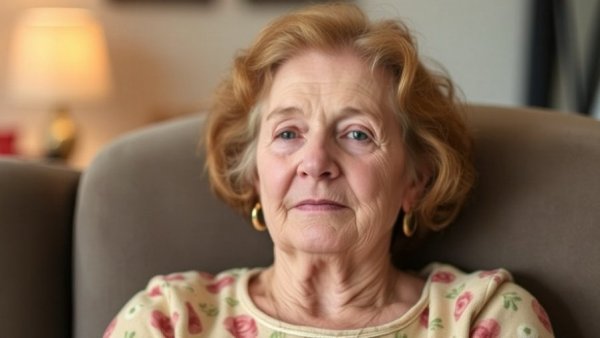
Understanding the Journey of Grief
Losing a parent is a profound experience, one that many will face yet few can fully prepare for. For those who grapple with the agonizing reality of a loved one battling cancer, the emotional toll can be overwhelming. The story shared by Michele Luckenbaugh highlights a universal theme - the journey of grief and the complexities surrounding the loss of a parent to illness. The waiting, the helplessness, and the final goodbye echo the sentiments of many families navigating similar challenges.
The Impact of Cancer on Treatment and Screening
In the past, efforts toward cancer prevention and screening were not as robust as they are today. This is particularly poignant when discussing colorectal cancer, which remains one of the leading causes of cancer-related deaths in the U.S. According to the American Cancer Society, advancements in early detection and treatments have significantly improved survival rates; however, the sad reality is that many families still face devastating diagnoses.
Awareness campaigns aimed at promoting screenings and preventive measures are essential. By educating individuals about their health risks and the importance of routine check-ups, we can change the narrative of cancer not just as a diagnosis, but as a journey toward hope and healing.
Finding Comfort in Memories
As families cope with cancer, they often find solace in shared memories. In the narrative shared by Luckenbaugh, we see that the presence of family members in the hospital room created an emotional buffer, filled with whispered words and silent prayers. Such moments, while heartbreaking, are filled with love. The power of storytelling and shared experiences can be therapeutic, fostering connections during the darkest times.
Creating a memory box or journal might be a practical way for individuals to honor their loved ones post-loss. This allows for continuous engagement with the memories that made a difference, providing a space for reflection.
The Role of Palliative Care in the Final Stages
Palliative care plays a critical role in managing a loved one’s final days. It focuses not only on relieving physical pain but also on providing emotional and spiritual support to patients and their families. Understanding the difference between regular treatment and palliative care can lead to better end-of-life conversations. Many families, like the one portrayed in Luckenbaugh's story, also find peace in knowing that their loved one’s comfort is prioritized right up until the end.
Hope and Healing After Loss
Despite the unbearable pain of loss, there is always hope for healing. The belief in an afterlife comforts some, similar to how Luckenbaugh visualizes her mother being welcomed home. For many, faith acts as a guiding light through their grief, while others may find solace in community support groups or counseling. Regardless of the path one chooses, it is important to nurture the heart and mind in the healing process.
Taking Action: Prioritizing Health and Well-Being
In light of such personal battles, we are reminded of the significance of our health. Whether it’s encouraging loved ones to get screened or advocating for health policies that foster preventive care, awareness is critical. Practical steps can be taken to enhance mental health and well-being after a significant loss. Engaging in community support, pursuing therapy, or simply reaching out to friends and family can be vital steps toward recovery.
Conclusion
The journey through cancer and grief is undeniably challenging. However, by sharing stories, embracing support systems, and prioritizing health, individuals can navigate their new normal. If you or someone you know is wrestling with grief or a recent loss, take a moment to connect, reflect, and lean into the community. We are stronger together.





Write A Comment