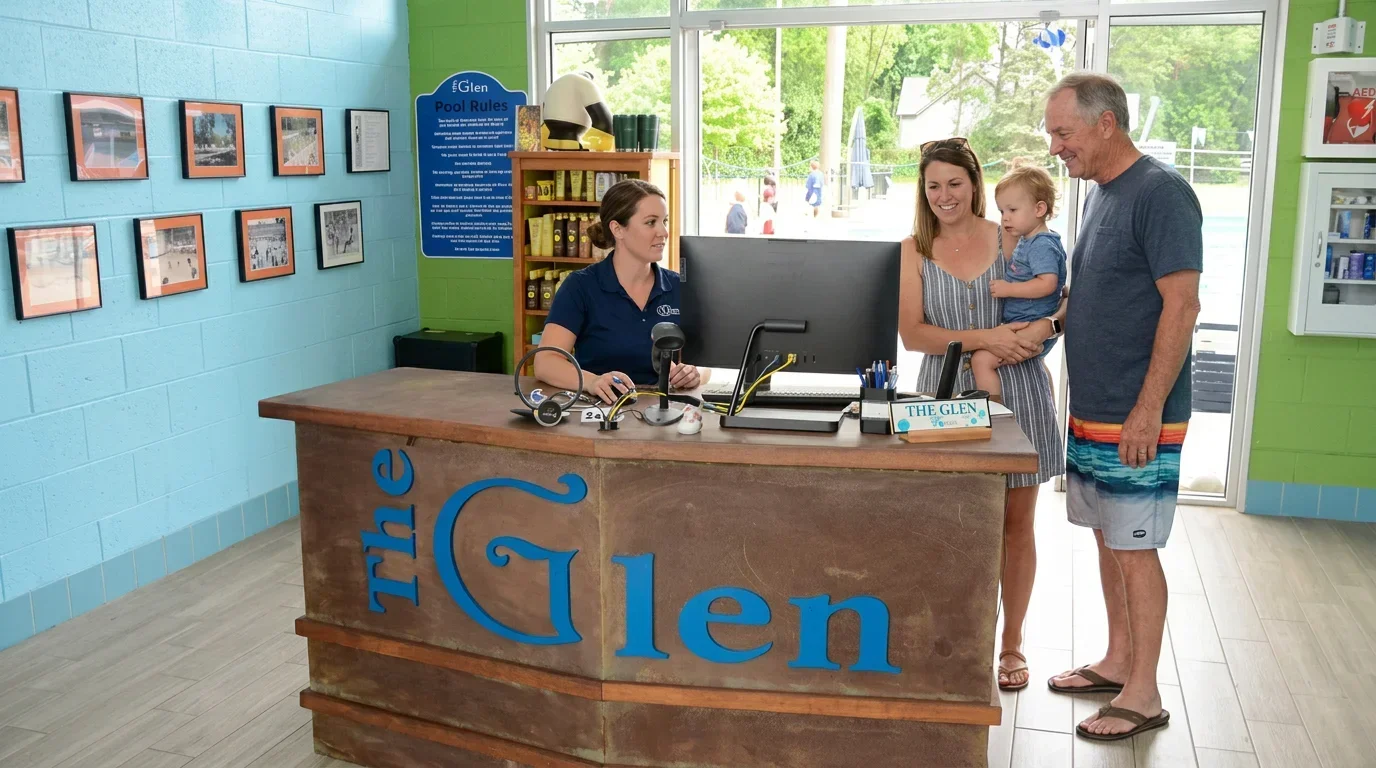
In today’s digital age, where screens often replace face-to-face interactions, fostering authentic community connections can feel challenging. Yet, at Farmington Glen Aquatic Club, swim club community leadership is redefining how families and neighbors reconnect and thrive together. Imagine a place where phones are set aside, children play freely, and adults gather poolside in genuine conversation—this glimpse into what a swim club can be proves timeless. Join us as Dennis Millinoff, president of the Farmington Glen Aquatic Club, shares expert insights on building family wellness and community bonds amidst modern challenges.The Role of Swim Club Community Leadership in Strengthening Family Wellness and Community BondsSwim club community leadership, including strong swim team programs and head coach involvement, plays a vital role in creating environments where families can slow down and nurture real-world relationships. In an era dominated by digital devices, many public spaces see fragmented interactions, but swim clubs break this pattern by encouraging unstructured, technology-free social time. Dennis Millinoff, president of the Farmington Glen Aquatic Club, emphasizes, “Families, when they come to our club, things slow down a little. They’re not looking at their phones. The kids are playing together. The adults are talking to each other on the pool deck. ” This intentional slowing down fosters mental wellness, social skills, and multi-generational friendships.The club environment provides a sanctuary from the regimented schedules affectionately filled by sports camps and tech distractions. Here, families and neighbors gather not only to swim but to reconnect with each other in a wholesome, community-oriented setting that nurtures both physical and emotional health. This is the essence of effective swim club leadership—championing a safe, welcoming space that prioritizes well-being over digital distractions."Families, when they come to our club, things slow down a little. They're not looking at their phones. The kids are playing together. The adults are talking to each other on the pool deck." – Dennis Millinoff, Farmington Glen Aquatic ClubWhat Sets Farmington Glen Aquatic Club Apart from Public Pools and Larger Recreational FacilitiesCommunity Ownership and Member EngagementA unique hallmark of the Farmington Glen Aquatic Club is its member-owned bond structure, which fosters a deep sense of belonging and responsibility among its 360 families. Unlike public pools governed by municipalities or corporate recreational centers, each member at Farmington Glen is both a user and a part-owner with voting rights. This democratic approach empowers members to have a tangible say in decisions, enhancing transparency and trust in leadership.The club’s leadership board, comprised of active members volunteering their time and expertise, consistently seeks fresh ideas to keep the facility vibrant and responsive to community needs. Board meetings allow members to engage directly with their leaders, unlike typical corporate gyms where customer input often fades into anonymity. This level of engagement is the backbone of the swim club’s enduring success and loyalty.Social Events and Lifeguard ConnectionsBeyond ownership, the Farmington Glen Aquatic Club thrives as a social hub. The club organizes numerous events like the opening day potluck, Independence Day celebrations drawing up to 300 participants, and lively Labor Day send-offs. These gatherings cement social bonds among families and friends, enhancing the true neighborhood feel. What’s more, lifeguards at the club are often community members and peers, creating familiar and trusted supervision that complements the family atmosphere.As Dennis Millinoff shares, “The lifeguards get to know the kids. It’s not going somewhere where it’s disconnected. Those lifeguards may have been their peers or the brothers and sisters of their friends. ” This personal touch makes the club feel less like a business and more like an extended family.Comprehensive Activities Beyond Swimming to Promote Physical and Mental Well-beingSwim Lessons and Competitive Swim TeamsPhysical health is a cornerstone of the Farmington Glen Aquatic Club’s mission, manifested through a wide spectrum of swimming programs led by experienced head coaches and a competitive swim team. Swim lessons for children as young as four ensure early water safety education, taught by Red Cross-approved lifeguards with years of experience. The club also supports adult swimmers with morning and evening lap programs, swim team training sessions, and coaching guidance, promoting fitness for all ages.A competitive swim team at Farmington Glen engages roughly one-third of all members, cultivating not only athletic skills but also fostering camaraderie and strong community pride. “Within a few years of hiring our head coach, we went from not winning meets to becoming league champions, which boosted the entire club’s spirit,” notes Dennis Millinoff. Many former team members have earned scholarships at major universities, showcasing the club’s commitment to excellence balanced with fun.Recreational Facilities and Social EngagementWhat makes the club especially vibrant is the variety of non-swimming amenities designed to foster social interaction and fun. These include a modern pavilion with a snack bar, grills for family cookouts, a large playscape for children, sand volleyball courts, basketball hoops, and lawn games like cornhole. Members can spend an entire day immersed in activity and friendly conversation.Such diversity in offerings helps balance physical activity with social engagement, benefiting mental well-being by keeping members actively connected. Regularly scheduled events like float nights, movie screenings, card tournaments, and themed social mixers make the club a dynamic community focal point year after year.Unexpected Benefits of Joining a Swim Club Community"For many kids, their first job is working at the Farmington Glen, whether in the snack bar or as lifeguards, gaining valuable life experience under excellent supervision." – Dennis Millinoff, Farmington Glen Aquatic ClubJoining a swim club often reveals benefits beyond initial expectations. For many young members, their very first job opportunity springs from the club’s lifeguard and snack bar positions, offering invaluable real-world experience in a supportive environment supervised by skilled managers. These roles nurture responsibility, teamwork, and leadership skills that members carry into adulthood.Members also appreciate how the swim club serves as a cherished summer destination, a place where families and friends gather regularly to relax and strengthen bonds. The community atmosphere helps children escape digital isolation and cliques, facilitating friendships that span different schools and neighborhoods.How Swim Club Community Leadership Creates a Healthy, Screen-Free Environment for KidsActive Supervision and Peer Role ModelsA core achievement of swim club community leadership is creating an environment where children disconnect from screens naturally. The presence of actively engaged lifeguards, who are often peers and local youth, provides positive role models embodying responsibility and community values.“Our lifeguards are highly trained and must be ready to save lives if needed,” says Millinoff. This seriousness combined with an inviting atmosphere encourages kids to be present and engaged rather than staring at their devices. The club’s programming includes constant opportunities for varied activities, encouraging social interaction over solitary screen time.Leadership Style and Board Member Involvement in Sustaining a Thriving Swim ClubMember Voting and Financial StewardshipThe club demonstrates exemplary financial stewardship through its democratic governance model. Members owning bonds vote annually on key initiatives, such as the installation of a new pavilion costing over a quarter million dollars. This transparent process builds trust and ensures funds are allocated toward meaningful improvements that benefit the community.“As president, I make the case to the members why investments are essential, and they consistently support initiatives unanimously, which is truly gratifying,” explains Millinoff. This participatory leadership model fosters commitment and pride among members.Board Member Engagement and Fresh IdeasFarmington Glen continuously advances by welcoming fresh perspectives from dedicated board members and volunteers. The club’s social events and programming often reflect these new ideas, keeping the community vibrant and responsive to members’ interests.Dennis Millinoff credits this collaborative environment, including the leadership of the head coach and swim team, with sustaining the club’s success for over six decades, emphasizing the importance of ongoing member involvement and innovation to remain relevant and appealing.The Impact of a Dedicated Head Coach on Swim Team Success and Community Pride"Within a few years of hiring our head coach, we went from not winning meets to becoming league champions, which boosted the entire club’s spirit." – Dennis Millinoff, Farmington Glen Aquatic ClubThe transformation of the swim team from perennial underdogs to league champions highlights the significant impact of visionary leadership and the expertise of a dedicated head coach. The club attracts and retains top-tier head coach professionals who effectively motivate and develop swim team members across all ages.This swim team success not only raises competitive standards but also elevates community pride, drawing positive attention to the club and encouraging higher participation in swim and social programs. The leadership at Farmington Glen embraces both competition and fun, fostering a balanced and supportive atmosphere.Engaging Events and Programs Beyond Swimming to Enhance Member ExperienceThe club hosts an array of engaging events designed to unite members and keep the calendar lively. These include themed adult parties, frequent “float nights” with fun pool activities and root beer floats, family movie nights, card tournaments, and creative competitions like cardboard boat races.Such diverse programming appeals to all ages, ensuring there's something for everyone whether swimming enthusiastically or just enjoying social time. This holistic approach significantly enhances member satisfaction and solidifies the club’s role as a community cornerstone.Preserving Tradition While Innovating for the Future of the Swim Club CommunityMaintaining Financial Viability to Sustain Community WellnessSustainability is critical for any community organization, and Farmington Glen’s leadership prioritizes financial health to continue offering high-quality facilities and programs. As Dennis Millinoff explains, “We operate the club like a business, ensuring we remain financially viable to avoid cutbacks and decline. ”This prudent financial management allows the club to regularly invest in modern improvements — from upgrading pavilions to adding Wi-Fi and introducing food truck Fridays. Such innovations keep the club attractive to current and prospective members while honoring its rich 60-year tradition.People Also AskWhat is the 80 20 rule in swimming?The 80/20 rule in swimming suggests that 80% of a swimmer's training intensity should be at a low to moderate level, focusing on endurance and technique, while 20% should be high-intensity efforts to improve speed and power. This balance helps promote long-term endurance without overtraining.What are the 4 pillars of swimming?The four pillars of swimming typically include technique, endurance, strength, and flexibility. Mastering these elements ensures swimmers develop efficient strokes, maintain stamina, build muscle, and prevent injuries, contributing to overall performance and longevity in the sport.Can a swim team be a 501c3?Yes, a swim team can register as a 501(c)(3) nonprofit organization if it meets IRS requirements for charitable, educational, or community-focused activities. This status allows the team to receive tax-deductible donations and qualify for grants to support operations and programs.Are swim clubs profitable?Swim clubs often operate on a nonprofit or break-even basis with profitability varying by size, membership fees, and management. Clubs like Farmington Glen balance financial sustainability with community service rather than prioritizing profit, reinvesting funds into facility improvements and member benefits.Comparison Table: Farmington Glen Aquatic Club vs. Public Pools and Corporate FacilitiesFeatureFarmington Glen Aquatic ClubPublic PoolsCorporate FacilitiesOwnershipMember-owned bondsMunicipalCorporateCommunity EngagementHigh, with voting rights and eventsLowModerateSwim Team QualityCompetitive with top coachingVariesVariesSocial ActivitiesNumerous, including themed eventsLimitedLimitedFacilitiesModern, continuously improvedBasicVariesFamily Wellness FocusStrong, holistic approachModerateModerateKey TakeawaysSwim club community leadership fosters meaningful social connections and wellness.Member ownership and active board involvement create a unique, engaged community.Diverse programs and events extend benefits well beyond swimming.Strong coaching elevates swim team success and community pride.Continuous innovation ensures the club remains relevant and financially viable.ConclusionExplore how swim club community leadership at Farmington Glen creates a warm, engaging, and health-focused environment. Join us to experience the lasting benefits of community wellness and personal growth first-hand.Visit Farmington Glen Aquatic Club →Or call us at (248) 474-2525 to learn more.








Write A Comment