

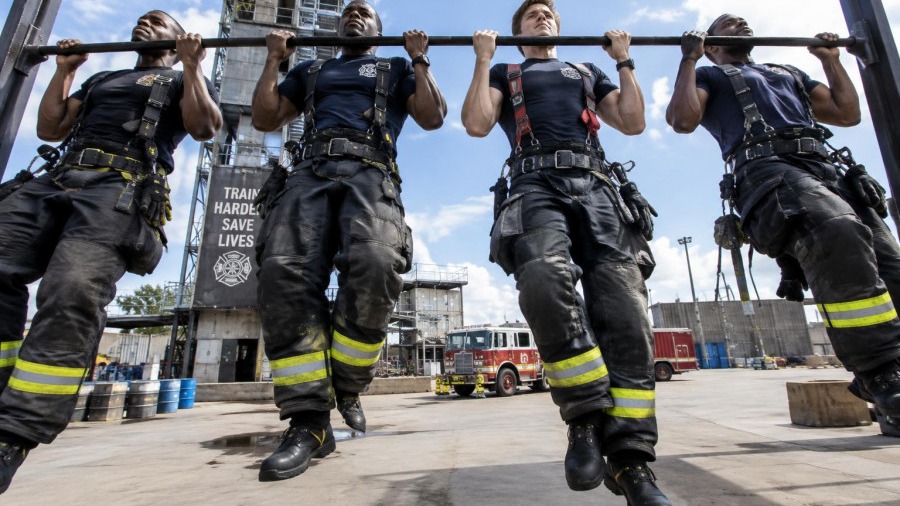
Resilience and Strength: The Unseen Power of Firefighters
The recent clip showcasing an incredibly strong firefighter has caught the attention of many, with viewers marveling not only at the physical strength displayed but also at the resilience and skill that come with the profession. In this article, we delve into what it truly means to be a firefighter, exploring the multifaceted nature of their work, the physical demands, and the psychological strengths required in this line of duty.
In 'This firefighter is a beast...', the clip showcases the impressive strength of a firefighter, inspiring us to analyze the deeper implications of their work in our communities.
The Physical Demands of Firefighting
Firefighters endure rigorous training and physical conditioning, which enable them to perform demanding tasks, often under severe stress. From dragging heavy hoses to carrying injured individuals out of dangerous situations, the job is a true test of physical endurance and strength. Fire departments typically require candidates to pass various physical fitness tests to ensure they are capable of handling the grueling challenges ahead. This commitment to physical fitness isn’t just for show; it is vital for their effectiveness in protecting community safety.
The Mental Fortitude Required
While physical strength is crucial, mental toughness plays an equally significant role in the life of a firefighter. They often face traumatic situations that require quick decision-making and emotional resilience. Training includes not only physical preparation but also psychological strategies to manage stress and trauma, ensuring that firefighters can maintain clarity and focus in the face of crisis. The camaraderie that develops among crew members also offers a support system that helps to alleviate psychological burden.
Historical Roots of Firefighting
To truly appreciate the significance of firefighting, it’s important to consider its historical context. Firefighting as a profession has evolved tremendously from its humble beginnings in ancient civilizations, where citizens would form bucket brigades to put out fires. The establishment of fire departments in the 19th century marked a pivotal shift in how communities responded to flame disasters—transforming from an amateur collective effort to a professional force trained to conserve life and property.
Inspiring Communities: More Than Just Firefighting
Modern firefighters often engage with their communities beyond emergency responses. Many participate in outreach programs focusing on fire safety education, providing families with the knowledge to prevent fires and react appropriately in emergencies. This involvement fosters a sense of community trust and highlights the role of firefighters as community leaders, showcasing their dedication to serving their neighborhoods.
Common Misconceptions Debunked
Despite the valiant work of firefighters, several myths persist. One common misconception is that all firefighters are trained to fight fires. In reality, many specialize in different areas—ranging from wildland firefighting to rescue operations in hazardous environments. Another misconception is that firefighters are always physically fit; however, mental health challenges are also prevalent, and awareness is growing about the need for ongoing psychological support.
Stepping Up: The Call for Awareness and Support
Recognizing the physical and mental toll on firefighters emphasizes the importance of supporting these brave individuals. Communities can contribute to this by advocating for better mental health resources and understanding the pressures faced by emergency responders. Encouraging open dialogues about mental health within the profession can promote healing and foster stronger support systems among firefighters.
In conclusion, the clip featuring the strong firefighter serves as a reminder of the dedication and resilience inherent in the profession. For those interested in understanding and appreciating the complexities of firefighting—both physically and mentally—this glimpse into their world is just the starting point. Now, it’s time to take action: advocate for mental health support, appreciate local firefighters, and educate others about the importance of this noble profession.




Write A Comment