

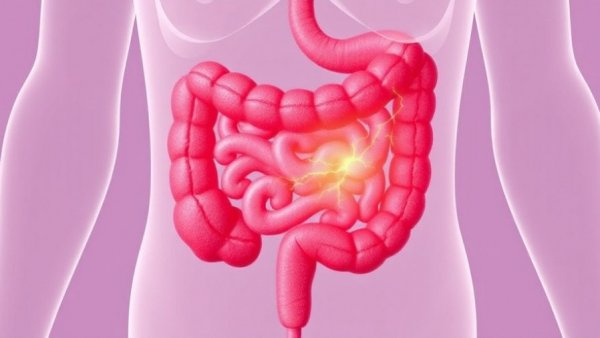
Understanding the Gut-Hormone Connection
The gut microbiome is often associated primarily with digestion, yet its influence extends well beyond the digestive tract. Recent research reveals that a healthy gut plays a crucial role in regulating inflammation, supporting nutrient absorption, and maintaining thyroid health, mood stability, and even hormonal balance. Dr. Michèle Webb, a naturopathic physician, highlights how many women overlook the importance of gut health concerning hormone-related symptoms. These symptoms, such as PMS, painful periods, and mood fluctuations, might seem isolated, but they can actually be interconnected by underlying physiological factors.
The Estrogen-Gut Connection: A Delicate Balance
One significant way the gut microbiome influences hormonal health is through its effect on estrogen metabolism. A specific group of intestinal microbes, known as the estrobolome, is responsible for determining whether estrogen is eliminated through the bowel or reactivated and recirculated within the body. An imbalance in this process can exacerbate symptoms like PMS, breast tenderness, and bloating. A study published in the International Journal of Women’s Health in 2022 notes notable differences in the gut microbiomes of women with PMS compared to those without, indicating that gut health plays a more pivotal role than merely hormonal fluctuations.
How Stress Impacts Gut Health and Hormonal Balance
Chronic stress often leads to dysbiosis, an imbalance in gut bacteria that can significantly affect overall health. Dr. Ania Graczyk emphasizes the bidirectional relationship between stress and gut health: Stress can alter digestion and gut flora while the gut microbiome influences how the body responds to stress. Modern life’s frequent stressors can amplify sympathetic nervous system activation, hindering the transition to a restful, digesting state and compromising gut health. This degradation in gut health can then impact hormone production, further intensifying the stress-wellness cycle.
The Thyroid-Gut Connection: Interdependence Explored
Thyroid health is inherently tied to gut health. The gut absorbs numerous nutrients essential for thyroid functioning, including iodine, manganese, and vitamins, crucial for energy and metabolism. Conversely, thyroid hormones play a role in regulating gut motility and maintaining the permeability of the intestinal lining. Numerous studies suggest that women suffer from autoimmune thyroid conditions like Hashimoto’s thyroiditis are likely to experience altered gut microbiomes, which may complicate their overall health condition.
When Estrogen Misses Its Exit: The Role of the Estrobolome
After estrogen serves its purpose, it is prepared for elimination by the liver through a process called conjugation. This process assigns an “exit tag” to the estrogen, facilitating its journey through bile to the intestine before it’s expelled. However, certain bacteria in the estrobolome can produce enzymes that remove this exit tag, allowing estrogen to be reabsorbed in the body rather than eliminated. Such an event can lead to increased estrogen levels and associated health issues. Thus, maintaining a balanced gut microbiome is essential for regulating estrogen and overall hormonal health.
Why This Matters: The Comprehensive Impact on Women’s Health
The intricate connection between gut health and hormonal well-being presents compelling reasons for women to prioritize their gut microbiome. By addressing gut imbalances, women may find relief from various hormonal symptoms, which enhances their overall quality of life. Immediate actionable steps could include adopting a balanced diet rich in fiber and probiotics, staying hydrated, managing stress levels, and consulting healthcare providers on gut health within the context of hormonal symptoms.
As we deepen our understanding of the gut-hormone connection, we empower ourselves to make informed health decisions. By nurturing our gut, we are not only promoting digestive health but also paving the way for holistic hormonal balance.
Consider reaching out to a healthcare provider specializing in gut health if you’re struggling with persistent hormonal symptoms. Engaging with this knowledge can significantly transform your well-being and quality of life.





Write A Comment