

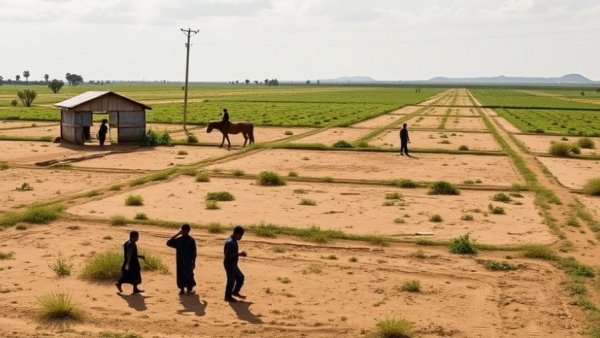
A Looming Crisis: The Dire Situation in Somalia
In recent months, warning signs have emerged regarding a potential famine in Somalia, emphasizing the critical role of timely humanitarian aid. Back-to-back droughts have devastated livestock, a lifeline for many Somali families, leading to severe malnutrition among the population. As of May, reports from the Famine Early Warning Systems Network (FEWS NET) indicated that half a million children are at risk of starvation in the country, depicting a humanitarian crisis that could spiral out of control if no action is taken.
A Shift in U.S. Aid Policy: What's at Stake?
The historical precedent shows that the U.S. has often responded to such warnings with significant assistance, recognizing that a hungry population transcends political divides. However, the current administration's decision to halt aid to Somalia amid alarming predictions is raising concerns. Aid funding has dwindled to zero this fiscal year, drawing a stark contrast to the more than $2 billion allocated in 2022 under the Biden administration.
This policy shift highlights a troubling trend: the reliance on political motivations rather than humanitarian need is dictating the flow of assistance. With the bureaucratic machinery of aid stalled, humanitarian organizations find themselves unable to respond effectively, leading to a potential increase in preventable suffering and death.
Political Tensions: Affecting Humanitarian Efforts
Political dynamics play a considerable role in the allocation of resources. After a high-profile investigation into fraud involving members of Minnesota's Somali diaspora, political rhetoric shifted dramatically. The president's disparaging comments toward Somali Americans reflected a broader toxic narrative that has now manifested in reduced foreign assistance.
The fallout from such statements poses a direct threat to those in Somalia. With humanitarian budgets slashed, the infrastructure necessary to support drought-affected areas is collapsing, evidenced by the closure of 205 health facilities due to lack of funding, as reported by UNICEF. This decline in support not only exacerbates the crisis but jeopardizes any existing progress in public health.
Global Context: The Importance of Timely Intervention
The urgency to act is underscored by the looming Super El Niño phenomenon, which threatens to bring devastating floods and disrupt any slim chance of recovery. Historically, timely interventions have averted soaring death tolls during crises, and many experts assert that it is crucial to act before technology and global health networks can mobilize effectively. The benefits of action range from saving lives to stabilizing regions plagued by chaos and corruption.
To illustrate, during previous humanitarian emergencies, the U.S. response often included the rapid distribution of supplies before disaster struck. Drawing parallels to the past, experts stress that ignoring warnings could lead to disastrous outcomes similar to the events of the 1980s Ethiopian famine, where neglect cost thousands of lives.
The Road Ahead: What Can Be Done?
Advocating for a shift back towards prioritizing humanitarian need over political agendas is crucial. Communities within the U.S., particularly those with ties to Somali nationals, can engage in dialogues that emphasize the importance of humanitarian initiatives as fundamental human rights rather than political favors.
Moreover, wellness organizations can play a role by raising awareness regarding responsible donations and supporting groups that operate effectively and transparently within Somalia. The future of Somalia hinges not only on the actions of its government but also on global solidarity and compassion.
Conclusion: Why Awareness Matters
As the situation in Somalia continues to deteriorate, awareness and advocacy are critical. Understanding the complexities behind humanitarian efforts helps empower individuals to demand accountability and action from their governments. By prioritizing the well-being of the world's most vulnerable populations, we can foster a culture where no one is left to starve.





Write A Comment