

Understanding Nutritional Needs for HIV Patients
The struggle of living with HIV goes beyond just medical management; it often manifests in nutritional challenges that can significantly impact overall health.
When the body is invaded by the HIV virus, it ramps up the energy and nutrient requirements to strengthen the immune system's defenses. Unfortunately, as the virus complicates bodily functions, patients frequently encounter issues such as malnourishment and weight loss. This dual burden underscores the importance of actionable dietary strategies for those affected.
Essential Dietary Rules to Combat Malnutrition
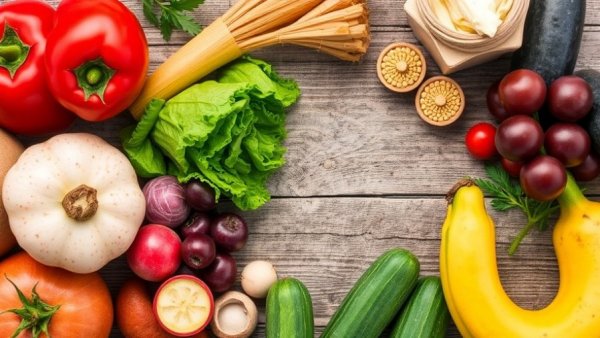
HIV patients often experience significant changes in their digestion and absorption, compounded by the effects of treatments like HAART (highly active antiretroviral therapy). A crucial strategy to nourish a weakened body involves focusing on staple foods. Incorporating items like rice, maize, bananas, and sweet potatoes can provide a solid foundation for their diet.
Increasing the intake of protein-rich foods is another key recommendation. Options include beans, lentils, and various meats, which are essential for rebuilding strength and supporting immunities. For easier digestion, expert advice suggests using minced meat or poultry.
Snacking Smartly: How to Maintain Energy Levels
Regular snacking can make a significant impact on sustaining energy and nutrition. Nuts, seeds, and easy-to-digest snacks like peanut butter sandwiches ensure constant fuel is available for the body. Having three main meals accompanied by snacks in between creates a buffer against malnutrition and fatigue.
Moreover, integrating fats in a gradual manner is essential. Start with healthy fats, such as avocados and oils, observing how the body reacts before increasing the quantity. This approach mitigates potential digestive complications.
The Role of Dairy and Aesthetically Pleasing Meals
Dairy products can make a considerable difference in providing necessary calories and nutrients. Full-cream milk, yogurt, and cheese serve as excellent sources. However, sensitivity varies; some individuals might have difficulty digesting dairy, so it should be adjusted based on personal tolerance.
Visual appeal plays an often-overlooked role in food intake for HIV patients. Meals that are attractive not only help in personifying sustenance but also inspire individuals to eat more, bolstering their overall health.
Empowering Caregivers in Nutrition Management
For those providing care to someone living with HIV, understanding the nuances of nutrition is vital. It’s important to prioritize the needs of those affected by the virus, ensuring they receive ample portions and are fed frequently. Tailoring meals to be visually enticing can help encourage consumption.
Beyond just nutrition, the act of eating together can foster social connections that are emotionally uplifting, significantly enhancing quality of life. As we recognize the challenges faced by individuals living with HIV, let’s remember that informed nutritional choices can empower both caregivers and patients alike.
In a world increasingly focused on health and wellness, knowledge is a powerful tool. Embracing these nutritional strategies can transform the lives of individuals facing HIV and serve as a beacon of hope for the future.
Conclusion: We encourage you to explore these nutritional guidelines and consider how they could enhance your well-being or the well-being of someone dear to you. Stay informed, make wise dietary choices, and spread awareness about the importance of nutrition in managing health challenges.




Write A Comment