

Understanding the Signs: Why You Need to Pay Attention
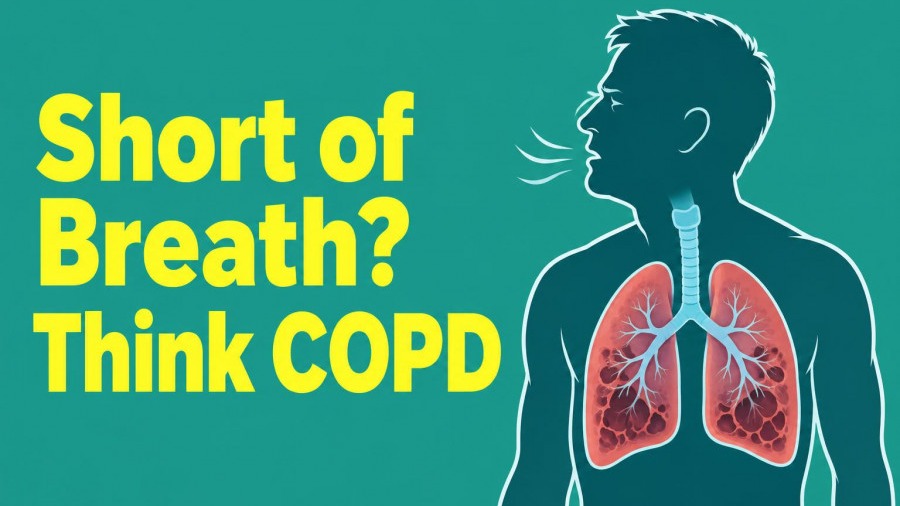
World COPD Day was on November 18th. The message is clear: understanding the early signs of Chronic Obstructive Pulmonary Disease (COPD) can save lives. Unfortunately, many people dismiss persistent breathlessness as a minor inconvenience. In reality, it often indicates a much more serious health issue, particularly when it becomes frequent or worsens over time.
COPD encompasses both chronic bronchitis and emphysema, and its development is typically slow, leading to delayed diagnosis. Symptoms such as frequent breathlessness, chronic cough, wheezing, chest tightness, and fatigue should never be ignored. Recognizing these nuances can be vital for early intervention, which significantly improves quality of life and longevity.
Don't Be One of the Undiagnosed: The Importance of Awareness
Despite being the third leading cause of death globally, many cases of COPD go undiagnosed until the disease has already progressed significantly. Studies show that early diagnosis and management can lead to better outcomes for patients. This underscores the importance of awareness campaigns, as many individuals may simply write off their symptoms as a normal part of aging or seasonal allergies.
Adopting Effective Management Strategies: Your Health Matters
There are numerous actionable steps you can take to manage COPD effectively. For instance, quitting smoking—if applicable—is the single most important action you can take. Quitting not only slows disease progression but also enhances overall lung function.
Avoiding triggers such as air pollution and other irritants is essential. By minimizing dust, fumes, and strong odors, you can reduce the frequency and severity of symptoms. Breathing techniques, like pursed-lip and diaphragmatic breathing, can be beneficial as they improve airflow and help in managing breathlessness.
Strengthening Your Body: The Role of Exercise
Regular exercise is another crucial factor that supports lung health. Simple activities like walking, light strength training, or yoga do not just improve physical stamina but also enhance the ability to endure daily activities with greater ease. A commitment to maintaining good posture, eating smaller, nutritious meals, staying hydrated, and sticking to prescribed medications all contribute to effective COPD management.
Community and Emotional Support: The Invisible Fighters
Beyond physical strategies, maintaining mental and emotional well-being is equally important in managing COPD. Stress can exacerbate breathing difficulties, making stress-relieving practices vital. Techniques such as meditation, relaxation exercises, and gentle yoga can foster an environment where both mind and lungs can thrive.
Moreover, joining support groups or connecting with others who have similar experiences can significantly enhance coping strategies. Sharing stories and developing communal understanding can uplift spirits and foster resilience.
Consulting Your Doctor: The First Step to a Healthier Life
Ultimately, if you notice patterns of increased breathlessness, it’s critical to consult your physician. A simple lung function test can confirm whether COPD is a factor. By understanding COPD's signs and taking proactive measures, you pave the way for a healthier, more vibrant life.





Write A Comment