

Understanding the Importance of Menstrual Health in Pediatric Care
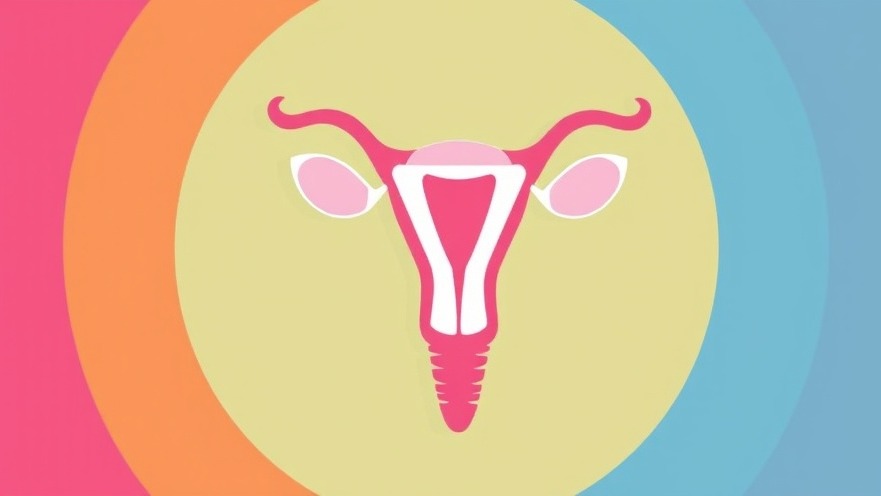
Menstrual health is a crucial aspect of pediatric care that is often overlooked. With the rise of awareness surrounding comprehensive health, pediatric clinicians now have a valuable tool in the form of the mnemonic MENSES to engage discussions with young patients about their menstrual cycles. This simple yet effective acronym encourages a thorough exploration of menstrual health, prompting conversations about the physical, emotional, and social implications related to menstruation.
The MENSES Mnemonic Explained
The MENSES mnemonic breaks down into six key components: Menstrual Cycle, Education, Normal Variations, Symptoms, Extremes, and Support. Each element serves as a reminder for healthcare professionals to address different aspects of menstrual health. Such an approach not only normalizes the conversation but also empowers young individuals to be proactive about their reproductive health.
The Relevance of Menstrual Health in Modern Pediatric Care
Integrating menstruation into routine clinical discussions is essential for fostering an environment of acceptance and openness. As societal views on menstrual health evolve, there is a significant benefit to addressing these topics early on, which can alleviate anxiety and misinformation surrounding the subject.
Research indicates that inadequate knowledge and education regarding menstruation can lead to various health issues, including anxiety and depression. By discussing menstrual health routinely, healthcare providers can help demystify menstruation and create informed patients who understand their bodies.
A Cross-Disciplinary Approach: Bridging Pediatric and Women's Health
Another vital aspect of integrating menstrual health into pediatric care is its connection to women's health overall. Establishing a strong foundation in menstrual health can pave the way for better health outcomes in adulthood, as early education can help identify potential problems before they escalate.
Moreover, discussions surrounding menstrual health encourage young women to engage in conversations about their health with their caregivers and medical providers. This support network contributes to greater awareness and potentially identifies significant health concerns earlier in life.
Successful Implementation in Practice
Incorporating menstrual health conversations into pediatric care requires thoughtful strategies. Clinicians should create a friendly and welcoming atmosphere that encourages open dialogue. Additionally, using age-appropriate educational materials can significantly enhance understanding.
For example, innovative workshops or own initiatives hosting classes on menstrual health can engage both patients and parents. By creating supportive spaces where these key discussions can occur, healthcare providers can contribute positively to the health and wellness of the younger population.
Looking Ahead: Future Trends in Health Education
As we move forward, the importance of including menstrual health in routine pediatric care is becoming increasingly recognized. Medical trends are transitioning towards holistic approaches to health that encompass physical and psychological well-being. Recognizing the crucial role of menstrual health will help dismantle societal taboos and improve health literacy among young patients.
With a commitment to health education, we can create an environment where young individuals feel safe discussing their experiences and questions about menstruation. This proactive stance supports future health endeavors, instilling confidence and understanding that continues into adulthood.
For healthcare professionals, embracing the MENSES mnemonic in routine discussions not only improves clinical practice but also enhances patient relationships. As conversations around menstrual health become mainstream, it’s crucial for us as a society to ensure all individuals are equipped with the knowledge necessary for their well-being.





Write A Comment